
Free written scope consultation - allowances, timeline, and change-order rules on paper before a single trade is scheduled
Tuff Shed Fence Installation: The San Jose Owner’s Guide
A Tuff Shed fence installation in San Jose typically runs $4,130 to $10,620, depending on the fence style, linear footage, and what’s happening at the post bases. We stock the common Tuff Shed-compatible components on our trucks, and most straightforward fence runs go in within one to two working days. The way owners usually find us is ugly: a windstorm off the Santa Cruz Mountains pushes a section over, or the bottom rails have been sitting in sprinkler overspray for three years and the fasteners finally let go.
Here’s what you need to know about matching the right fence parts to your Tuff Shed installation, what fails first in San Jose’s climate, and what a written quote actually covers.
Which Tuff Shed Models This Applies To
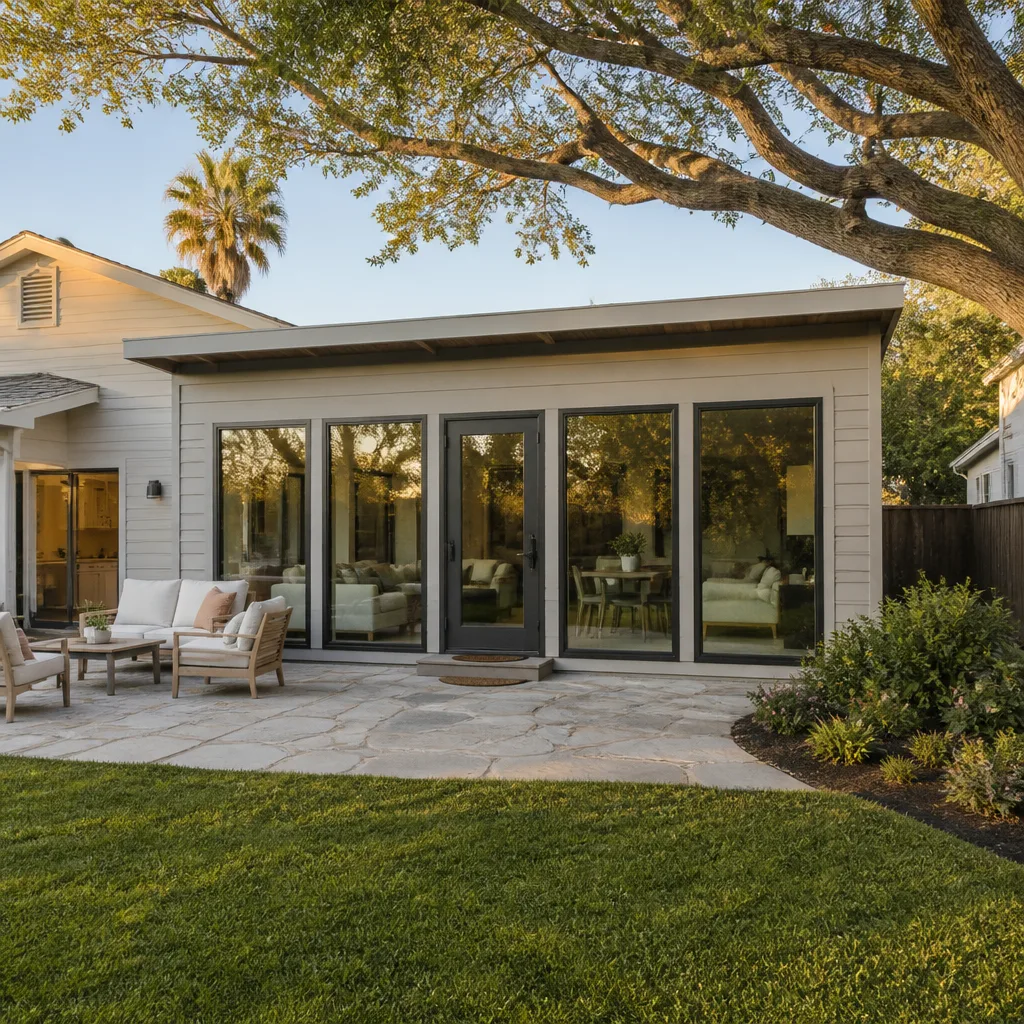
Tuff Shed doesn’t manufacture fence panels as a standalone product line. What most San Jose homeowners call a “Tuff Shed fence” is either a fence built by a Tuff Shed installer as an add-on to a shed or garage purchase, or fencing built to match the visual style of a Tuff Shed structure. The compatibility question comes down to three things: your post dimensions (4×4 vs 6×6), your rail spacing (typically 2×4 rails on edge for wood, or a prefabricated metal bracket system), and your panel height, which in San Jose is almost always 6 feet for backyard privacy.
If you have the original paperwork from a Tuff Shed install, look for a line item that says “fence package” or “site fencing.” If you don’t have it, measure the post spacing. Most local installs run 8 feet on center. That measurement tells us whether we’re matching an existing run or pulling the whole thing and starting clean. We also install and stock parts for other major brands we work with day to day, like KraftMaid, Cambria, and Silestone, so if your fence project is part of a larger outdoor build, we can keep it moving without swapping contractors.
One compatibility gotcha we see in San Jose: older Tuff Shed fence kits used 1-5/8-inch galvanized line posts that look close to chain-link hardware store stock, but they’re not. If you try to sleeve a standard fence post cap over the Tuff Shed post, it slops around and lets water in. We match the exact gauge and diameter from the start.
Styles & brands we work with







Signs Your Tuff Shed Fence Installation Is Failing
- Leaning sections at the post base. In San Jose’s clay-heavy soil, posts set in concrete can still lean if the concrete wasn’t poured above grade with a proper crown. Water pools at the base, softens the soil, and the whole section starts to drift.
- Bottom rails pulling free from posts. Sprinkler overspray wicks into end grain. The fasteners hold, but the wood around them rots out, and the rail drops off the screw.
- White or gray powder at nail heads. That’s galvanic corrosion where non-galvanized fasteners met pressure-treated lumber. The fastener is failing from the inside, and the fence will start shedding pickets.
- Cracked or split post tops. Post caps look decorative. They’re actually load-bearing for water. Once a cap cracks or goes missing, water sits in the end grain and splits the post over one or two winters.
- Gate that drags or won’t latch. The sag usually isn’t the gate frame. It’s the hinge post twisting because it was set shallow or without enough concrete. The gate’s just reporting the failure.
See the difference
 Before
 After
After Before
 After
After Before
 After
AfterReplacement Cost & What’s Included
In San Jose, a full Tuff Shed-style fence replacement runs $4,130 to $10,620. That range covers a typical backyard run of 50 to 120 linear feet with 6-foot privacy panels. On the low end, you’re looking at pressure-treated pine with basic caps and standard post setting. On the high end, you’re into redwood or cedar, steel-reinforced gate posts, and tear-out and disposal of the old fence.
Every quote includes the same line items, in writing, before you sign anything: demolition and haul-off, post hole digging and concrete, posts, rails, pickets or panels, fasteners, gate hardware, and site cleanup. No “miscellaneous” line. No number that moves at the door. The work’s covered by our 365-Day Done Right Promise, which means if the fence fails inside a year due to our workmanship, we come back and fix it at no charge. Straight number, written scope, done when we said done.
DIY or Call Us?
You can check a few things safely: whether post caps are cracked, whether the gate drags, whether sprinklers are hitting the bottom rail. Those observations help us price your job accurately over the phone. What we’d tell you not to do is pull a rotted post out of wet clay on a Saturday with a come-along and a car bumper. Post removal in San Jose soil, especially if the old post was set deep and concreted, can go sideways fast. We’ve had to chase broken concrete collars two feet down.
Fence work isn’t high-tension like garage springs, but it’s heavy, it’s repetitive, and a 60-pound panel in a wind gust will knock you off a ladder. If the failure’s at the post base or the gate’s out of plumb, call us at (669) 272-2637 and we’ll give you a real price for the fix.
FAQs
A correctly built wood fence in San Jose lasts 15 to 20 years, with the caveat that bottom rails and post bases typically need attention around year 8 to 12 due to irrigation contact and winter soil moisture. Redwood tops that number; untreated pine falls short of it.
If the posts are solid and the rails are intact, yes, a section or a handful of pickets can be replaced without touching the rest of the run. Once posts start leaning or rotting at the base, patching panels just buys you a season or two before the structure keeps failing. Call (669) 272-2637 and we’ll tell you which bucket you’re in.
Most standard Tuff Shed-style fence replacements in San Jose take one to two working days from post hole to final gate adjustment, assuming no surprises in the dig. If we hit abandoned concrete or a utility line that’s not marked, that can add a day.
We keep the common hardware on hand: galvanized and stainless fasteners, post caps in standard sizes, gate latches, hinges, and concrete mix. For panel-specific or older kit components, we source to spec and confirm fit before we cut anything. We don’t guess at dimensions on a fence that’s already failing.
Written by Curtis Lane, Owner, Bradford Remodeling Co at Bradford Remodeling Co San Jose, serving San Jose and nearby areas.


