
Free written scope consultation - allowances, timeline, and change-order rules on paper before a single trade is scheduled
Quikrete Home Additions & ADU: The San Jose Owner’s Guide
If you’re building a home addition or ADU on a Quikrete slab or footing system in San Jose, we handle the full scope: forming, pouring, framing, and finishing, with a written price before any work starts. Typical installed cost for a home addition in San Jose runs $53,100 to $153,400, and an ADU runs $106,200 to $259,600, depending on square footage, site access, and what the existing foundation gives us to work with. Most owners discover a Quikrete-related issue when they see hairline cracking at the slab edge, spalling at the anchor points, or moisture wicking up through the sill plate months after the pour.
Bradford Remodeling Co San Jose is an independent contractor, not affiliated with Quikrete. We work with Quikrete products on a regular basis because they’re specified on a lot of residential plans in this area, and we know how the materials behave in Santa Clara County soil and weather.
Which Quikrete Models This Applies To
When we talk about Quikrete in the context of home additions and ADUs in San Jose, we’re not talking about a single machine part. We’re talking about the concrete and masonry products that form the structural base: Quikrete 5000 and Quikrete Crack-Resistant Concrete Mix for slabs, Quikrete Fast-Setting Concrete for post anchors and fence footings, and Quikrete Mortar Mix for block stem walls. The compatibility question is really about what was poured originally and whether the new work can bond to it properly.
Here’s what matters when matching new concrete to an existing Quikrete pour. First, check the bag or the original invoice if you have it. Quikrete 5000 hits 5,000 PSI compressive strength; standard Quikrete Concrete Mix hits 4,000 PSI. If you’re tying a new footing into an old one, the mix design needs to be compatible or you’ll get differential curing and a cold joint that cracks. Second, look at the aggregate. Quikrete’s standard mixes use pea gravel or crushed stone depending on the series, and the aggregate size affects how the surface finishes and how it bonds to rebar. Third, and this is the one most people miss: Quikrete bags have a date code. Concrete mix older than 90 days loses strength. We’ve torn out more than one failed San Jose patio slab where the homeowner saved money on discounted bags from a big-box store and got a pour that never cured past 2,500 PSI.
On the OEM-versus-aftermarket question: for concrete, “OEM” means Quikrete itself. There are aftermarket equivalents from Sakrete and local ready-mix suppliers, and for some applications they’re perfectly fine. But if your plans specify Quikrete 5000, we use Quikrete 5000. The specification is the specification. We also stock KraftMaid, Cambria, and Silestone products for the interior finish work, but the structural base is where we won’t substitute without a written change order.
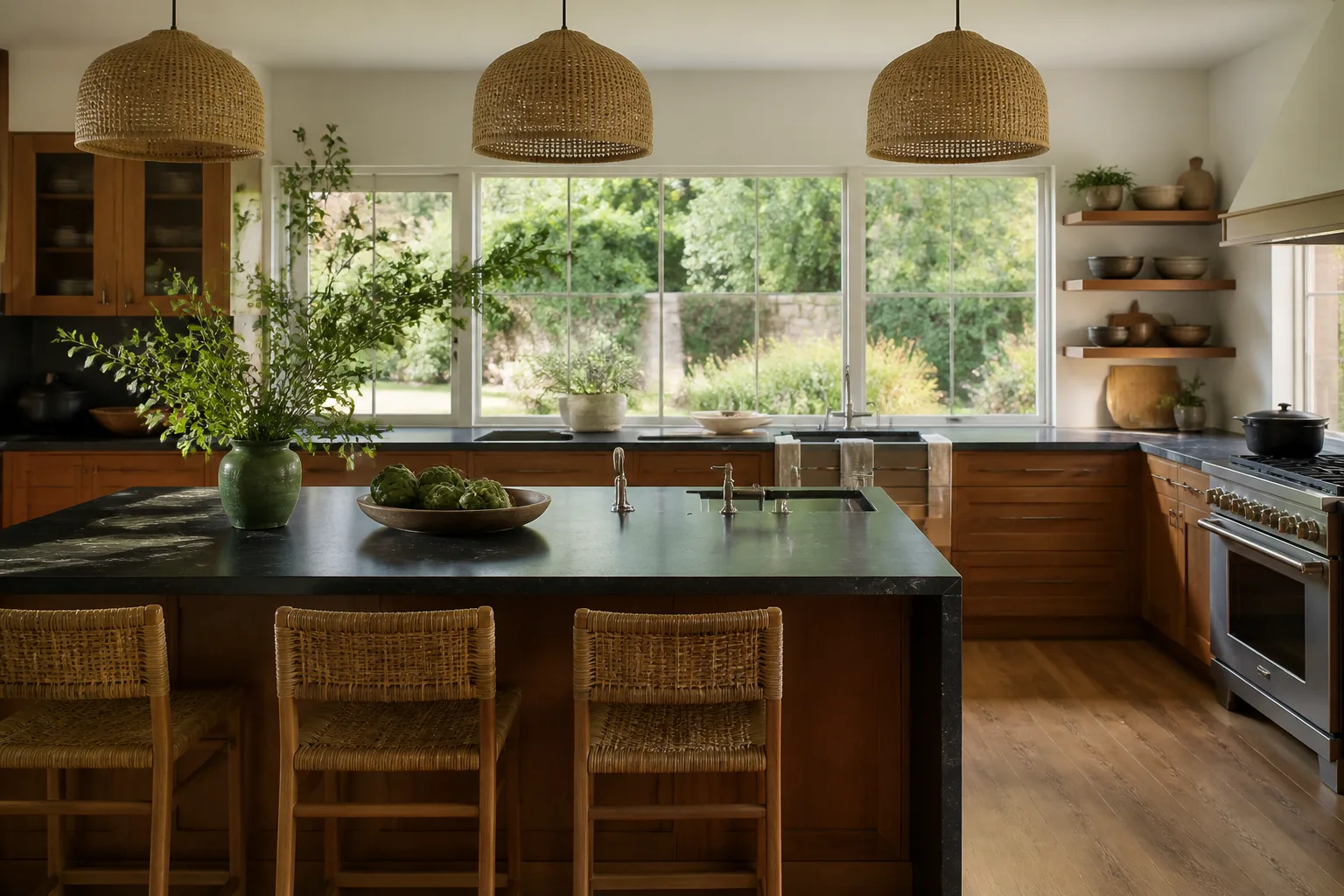
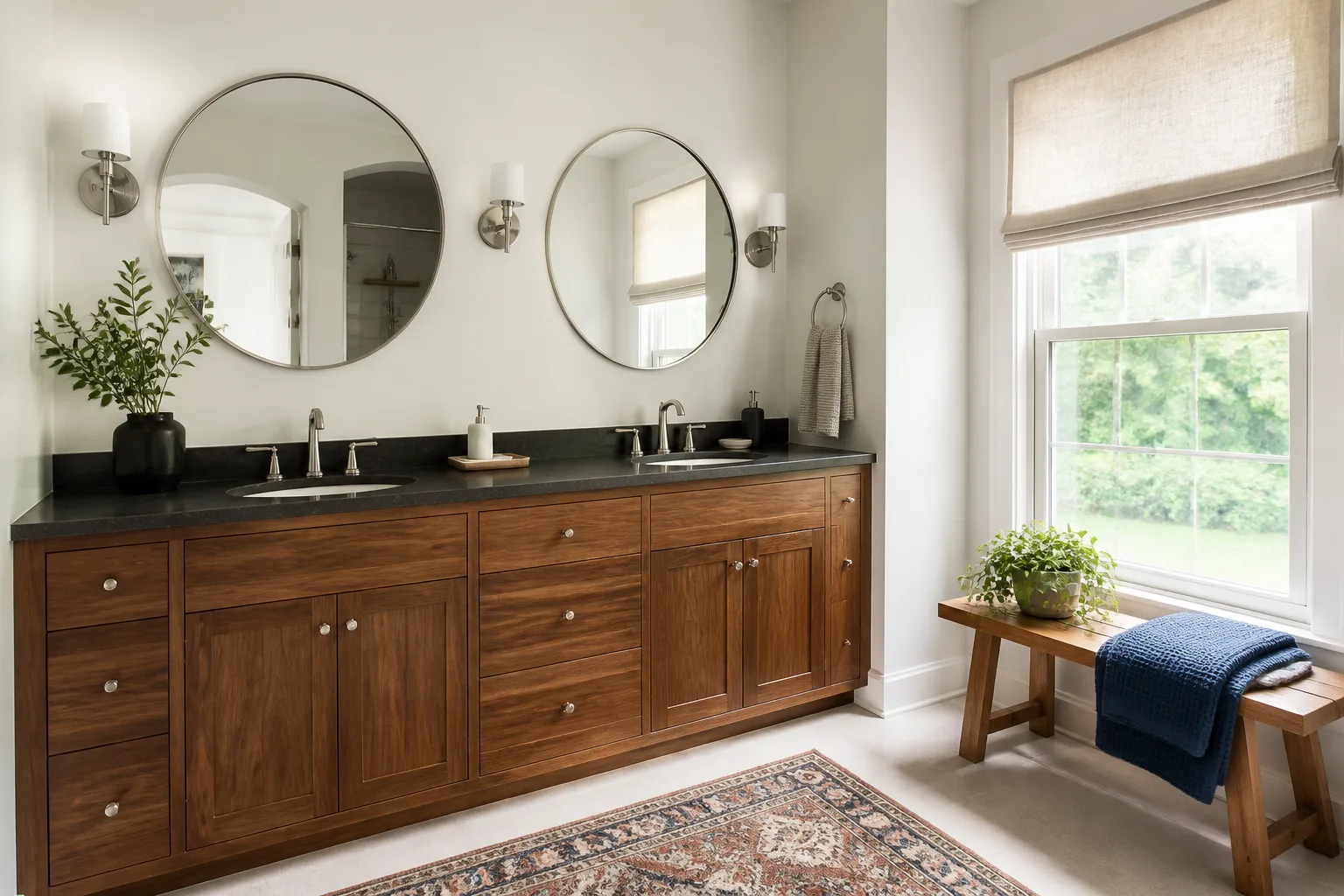
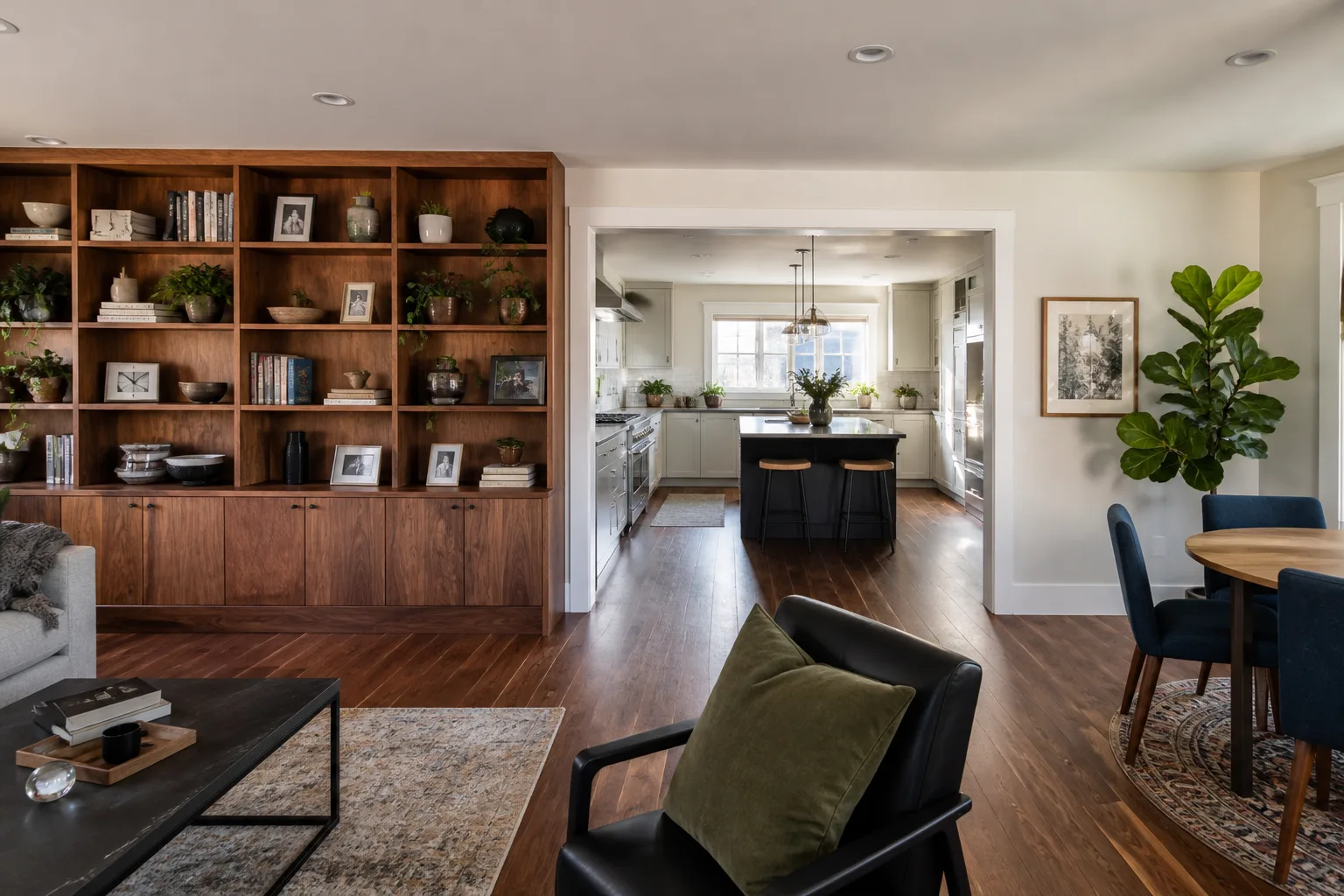
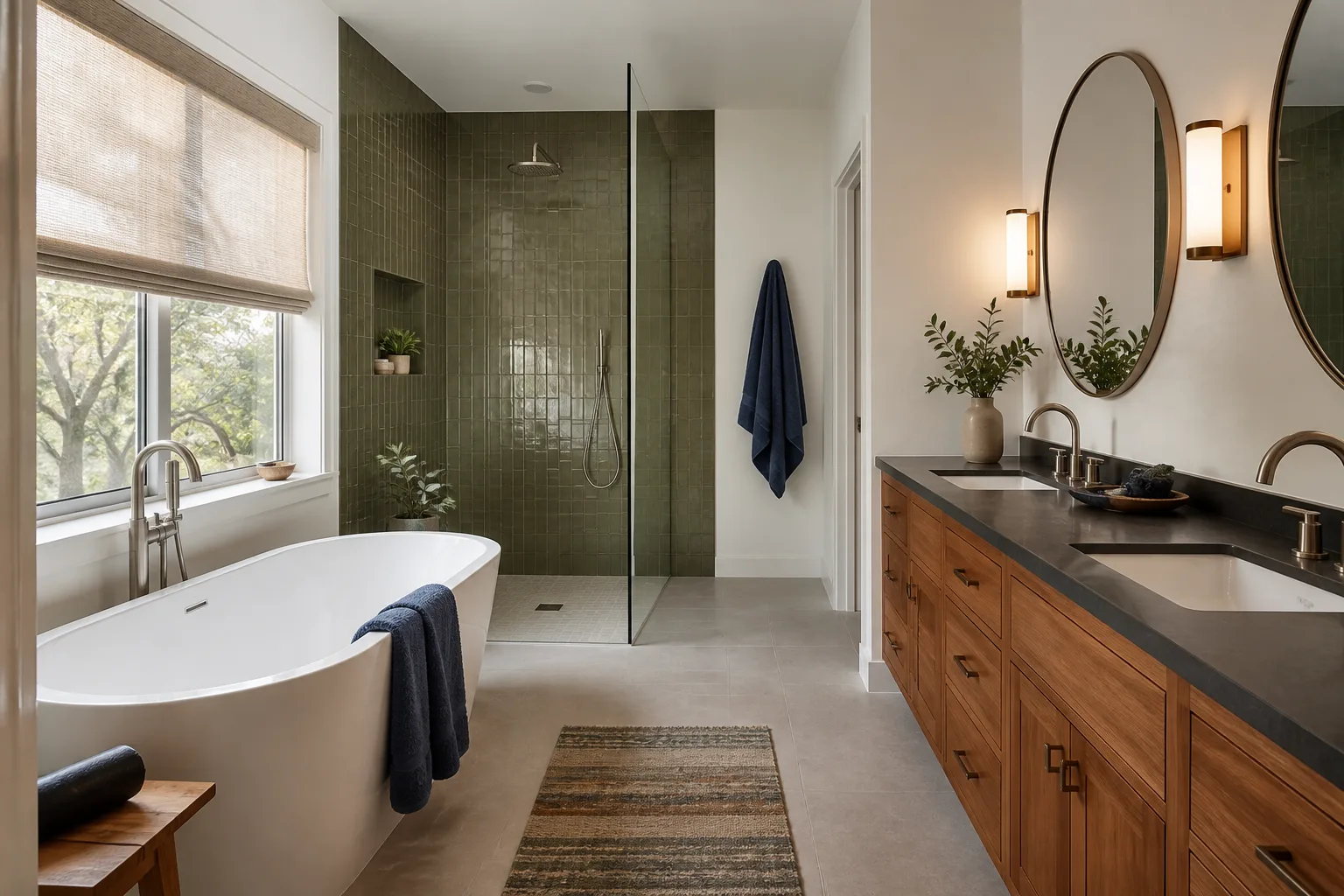
Styles & brands we work with







Signs Your Quikrete Home Additions & ADU Is Failing
- Hairline cracks running in a straight line across the slab. This usually means shrinkage during curing, not structural failure, but if the crack is wider than 1/8 inch or one side is higher than the other, you have differential settlement and it needs a structural look before you frame on it.
- Spalling or flaking at the surface. In San Jose’s dry summers, concrete that was over-watered at the pour or cured too fast will delaminate. The surface flakes off in thin sheets, leaving a rough, sandy patch. It’s cosmetic in some cases, structural in others; can’t tell without a look.
- Moisture staining at the sill plate or bottom plate of framed walls. This means the concrete is wicking groundwater up into the wood. Quikrete is not waterproof; if the slab wasn’t poured over a proper vapor barrier, you’ll get this. Left alone, you’re looking at rot and termites in the framing.
- Anchor bolts that spin or pull loose. When we set anchor bolts in wet Quikrete, they need to be at the right embedment depth and the concrete needs to reach its design strength before anything gets bolted down. If a bolt spins, either the hole was drilled wrong or the concrete never cured right.
- Crumbling at the edges of the footing or stem wall. This is almost always poor compaction of the subgrade underneath, or water pooling at the base and freezing in winter. San Jose doesn’t freeze hard, but the hillside subdivisions get cold enough to matter if water sits.
See the difference
 Before
 After
After Before
 After
After Before
 After
AfterReplacement Cost & What’s Included
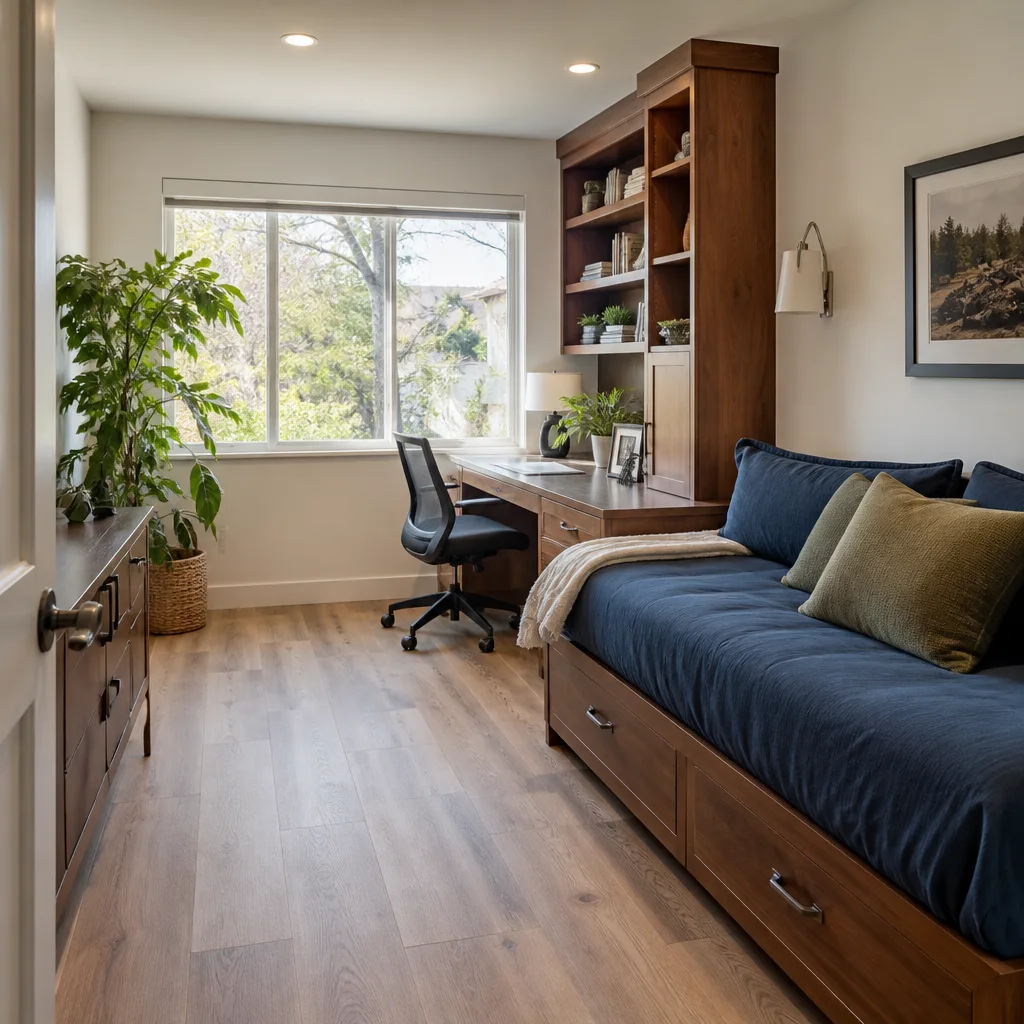
Here are the straight numbers for San Jose, no pricing games. A home addition runs $53,100 to $153,400. An ADU runs $106,200 to $259,600. That includes demolition of any failed concrete, site prep, formwork, rebar, the Quikrete pour, framing, rough-in for electrical and plumbing where the scope calls for it, and finish work to the point where the space is usable. Every line item goes in the written scope before we start, and the price you see is the price you pay. No change orders at the door, no “we found something” that doubles your bill.
What drives the range is square footage, site access (if the concrete truck can’t reach the pour site, we’re pumping or hand-mixing, and that’s a different day’s work), soil conditions at the dig, and whether the existing foundation is sound enough to tie into. The 365-Day Done Right Promise covers the work for a full year after completion. If something fails in that window, we come back and correct it at no charge. That’s in writing.
DIY or Call Us?
Concrete work is not like swapping a faucet. You can safely check a few things yourself: measure crack widths with a dime (a dime is about 1/16 inch thick; anything wider than two dimes is worth a call), check for moisture staining at the bottom of framed walls after a rain, and look for anchor bolts that move when you put a wrench on them. That’s it. That’s the safe list.
Pouring a new slab or tying a footing into an existing one carries real risk. Concrete is heavy, it sets fast in San Jose heat, and if the formwork blows out mid-pour, you’re not fixing it with a trowel. The safety concern is real: a cubic yard of concrete weighs about 4,000 pounds, and if a form fails, that’s not something you clean up with a shop vac. We recommend a trained professional for any structural Quikrete work. Call (669) 272-2637 if you want an honest assessment of what you have, free estimate, no pressure.
FAQs
A properly poured Quikrete slab with the right subgrade compaction and a vapor barrier will last 30 to 50 years in San Jose’s climate before it needs anything beyond surface work. The failure we see most often is not the concrete itself; it’s the prep underneath it. Call (669) 272-2637 and we’ll tell you if what you have is worth building on.
Depends entirely on the crack. Hairline shrinkage cracks can often be sealed and left alone. Cracks wider than 1/8 inch with vertical displacement usually mean the slab is broken through, and in most San Jose cases, the fix is removal and re-pour. We’ll give you a written assessment, not a guess.
From the first dig to final inspection, a home addition in San Jose typically runs 3 to 6 months. An ADU runs 4 to 8 months. Concrete has cure times you cannot rush; we pour, wait, then frame. Call (669) 272-2637 for a timeline based on your specific scope.
Yes. We carry Quikrete 5000, Crack-Resistant Concrete Mix, Fast-Setting Concrete, and Mortar Mix as standard stock items. If your job needs a different Quikrete product, we order it as part of the written scope before work starts. No surprises at the delivery.
Written by Curtis Lane, Owner, Bradford Remodeling Co at Bradford Remodeling Co San Jose, serving San Jose and nearby areas.


