
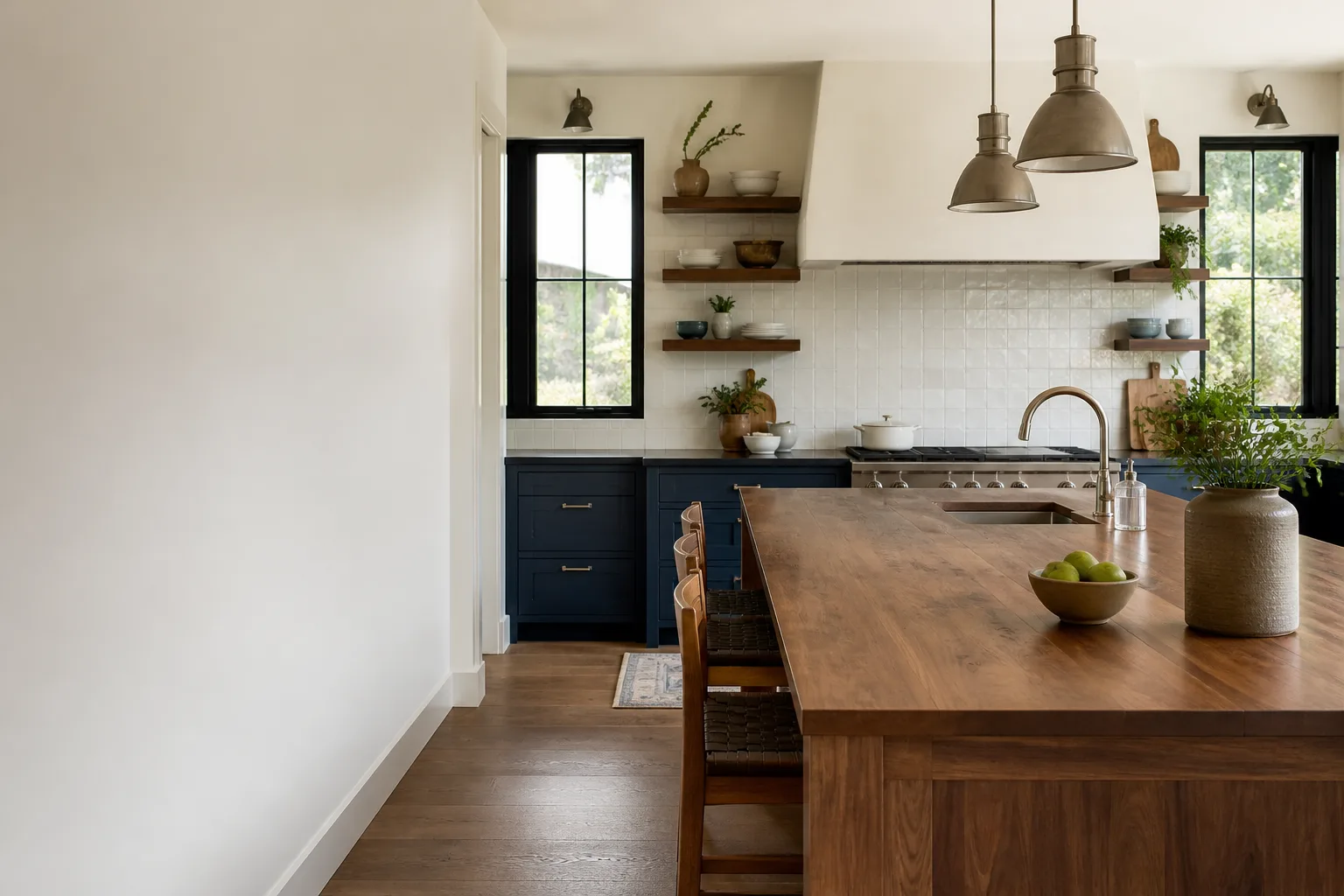
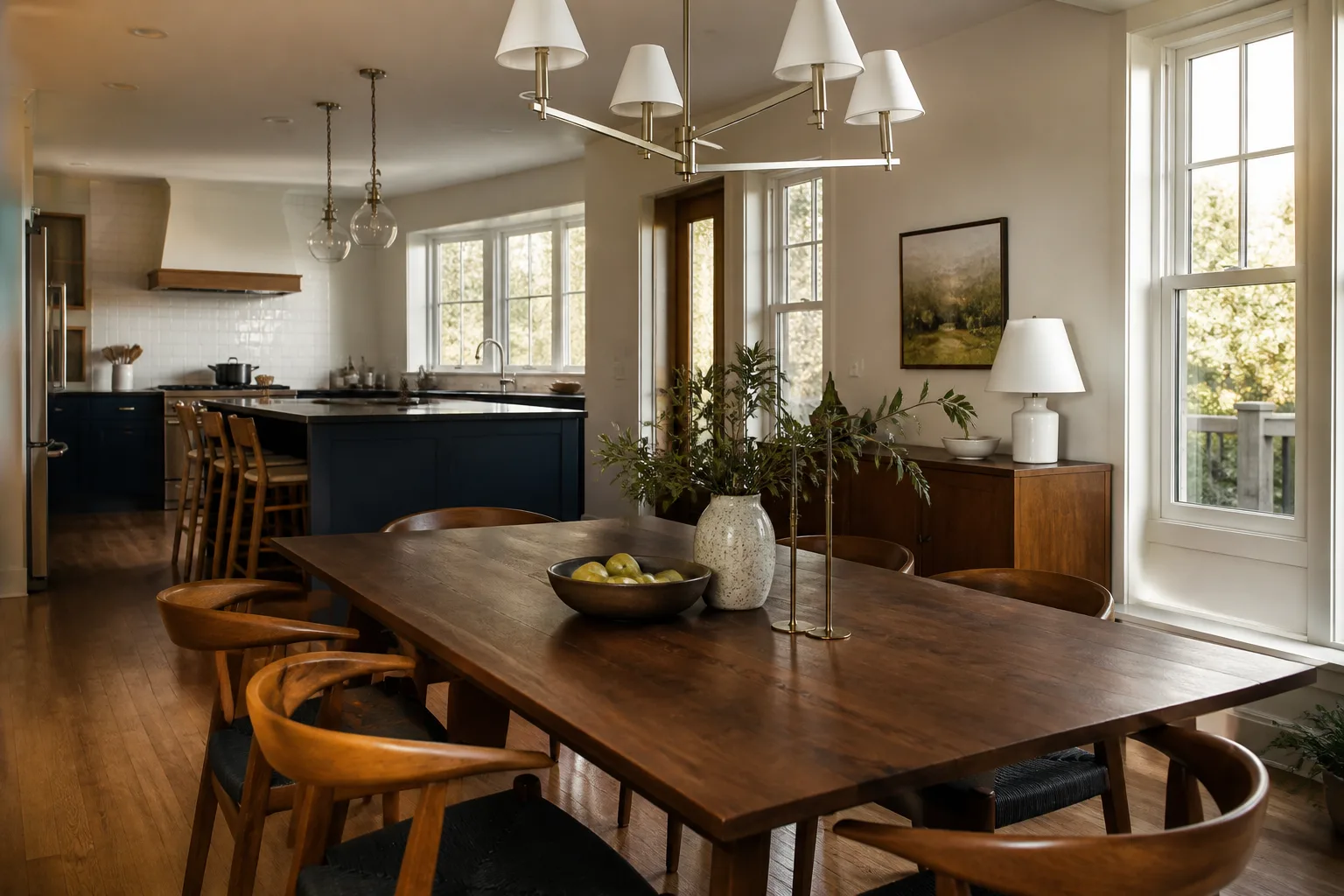
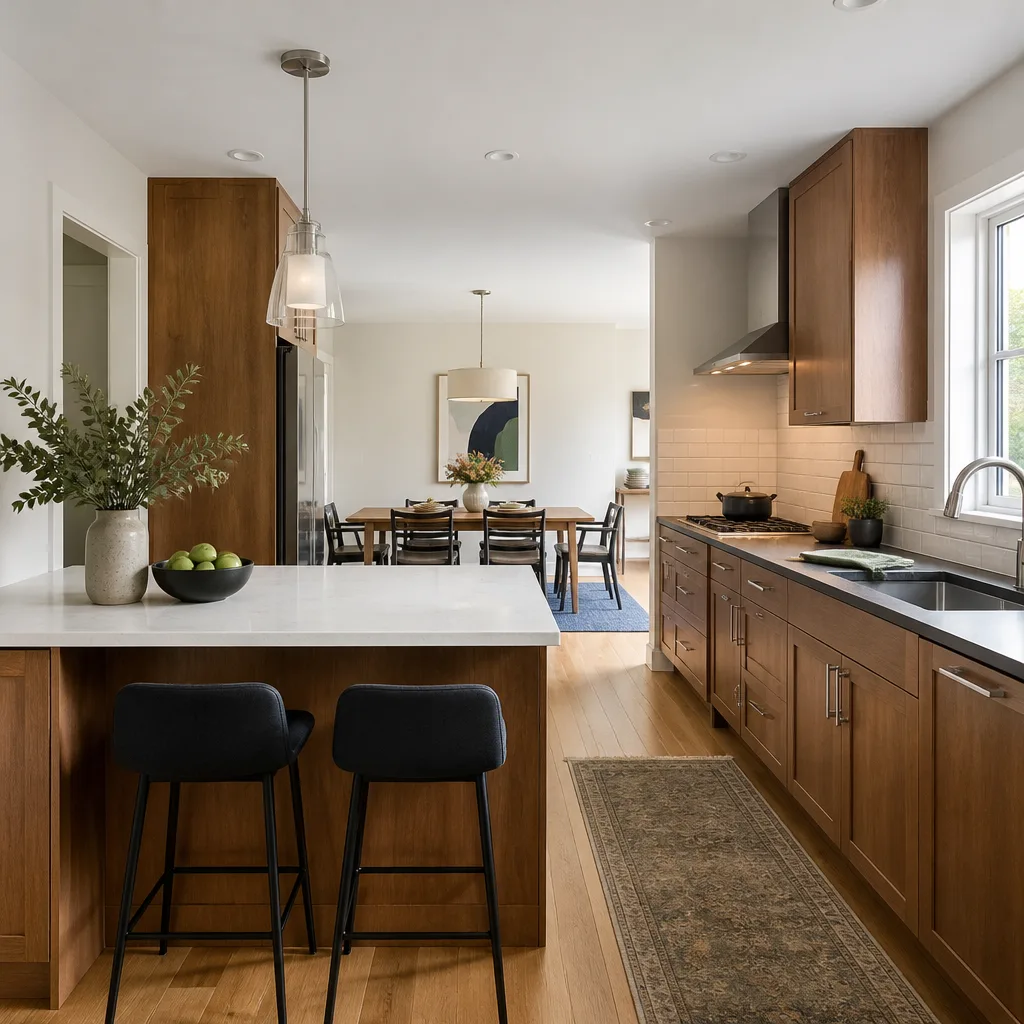
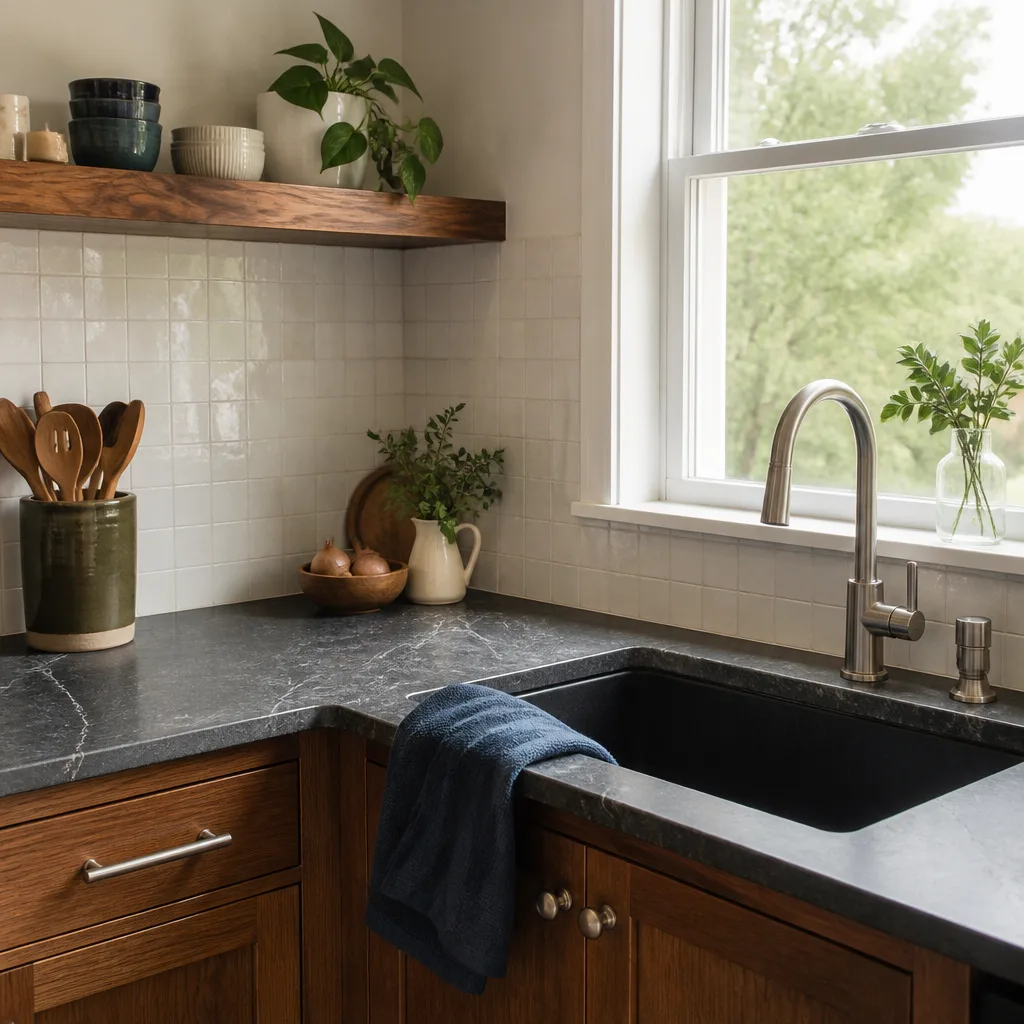
Free written scope consultation - allowances, timeline, and change-order rules on paper before a single trade is scheduled
James Hardie Kitchen Remodeling: The San Jose Owner’s Guide
Kitchen remodeling that involves James Hardie products in San Jose typically runs $16,520 to $53,100 installed, depending on the scope of the work and which James Hardie materials are being integrated. We stock James Hardie backer board, trim, and siding components on our trucks, and we can match most existing James Hardie installations the same week we look at the job. Most San Jose homeowners discover the problem the hard way: water staining at a baseboard, tile grout cracking along a wall, or a soft spot behind the sink that turned out to be failed substrate underneath James Hardie trim.
We’re an independent San Jose contractor, not affiliated with James Hardie Corporation. That means we give you an honest assessment of what failed, what it costs to fix, and whether a full remodel makes more sense than a patch job. Written price before work starts. Every time.
Which James Hardie Models This Applies To
James Hardie products show up in kitchens in three ways: HardieBacker cement board behind tile, HardieTrim boards around windows and door casings inside the kitchen, and the occasional use of HardiePanel as exterior sheathing behind a kitchen wall that’s being opened up. If you’re holding a piece that says HardieBacker, check the thickness stamp. It comes in 1/4 inch and 1/2 inch. The 1/4 inch is for floors and countertops. The 1/2 inch is for walls. Mixing those up is the most common compatibility mistake we see in San Jose remodels, and it’s the difference between tile that stays flat and tile that telegraphs every stud line within a year.
For HardieTrim inside a kitchen, the profiles to look for are the 5/4 and 4/4 boards, along with the NT3 and Smooth finishes. If you have existing James Hardie siding on the exterior of your San Jose home and the kitchen remodel touches an exterior wall, we verify that the replacement piece matches the existing profile exactly. HardiePlank lap siding in a 5.25 inch exposure looks wrong next to a 7.25 inch exposure, even to someone who can’t say why. We measure before we order. On the OEM versus aftermarket question: for James Hardie, we recommend staying with genuine James Hardie board. The fiber-cement density is what gives it its water resistance and fire rating, and the aftermarket equivalents we’ve tested in San Jose’s climate don’t hold the same fastener pull-out strength.
Styles & brands we work with







Signs Your James Hardie Kitchen Remodeling Is Failing
- Grout cracks in a straight vertical or horizontal line. The cement board behind the tile is flexing, which usually means the board wasn’t taped and mudded at the seams, or the framing behind it has moved. In San Jose’s older ranch homes, settling is common, but the board should isolate that movement.
- Water staining at the bottom of a kitchen island or peninsula. HardieBacker is water-resistant, not waterproof. If water has been wicking up from a slab or from a dishwasher leak, the board can hold moisture against the framing long after the visible puddle is gone.
- Tiles popping loose or sounding hollow when tapped. The mortar bond between tile and cement board has failed. In San Jose’s dry summer heat, thinset that was mixed too dry or allowed to skin over before setting will fail within the first two or three seasons.
- Trim boards swelling or paint peeling at the joints. On interior HardieTrim, this usually means caulk failed at the seam and moisture got in. The board itself won’t rot like wood, but the joint compound and paint will fail, and the swelling tells you water has been getting behind it.
- A soft spot in the subfloor in front of the sink or dishwasher. The James Hardie board above may still look fine, but the plywood underneath has rotted. This is beyond a patch job. We pull the board, replace the subfloor section, and re-lay the HardieBacker so the new tile has a solid bed.
See the difference
 Before
 After
After Before
 After
After Before
 After
AfterReplacement Cost & What’s Included
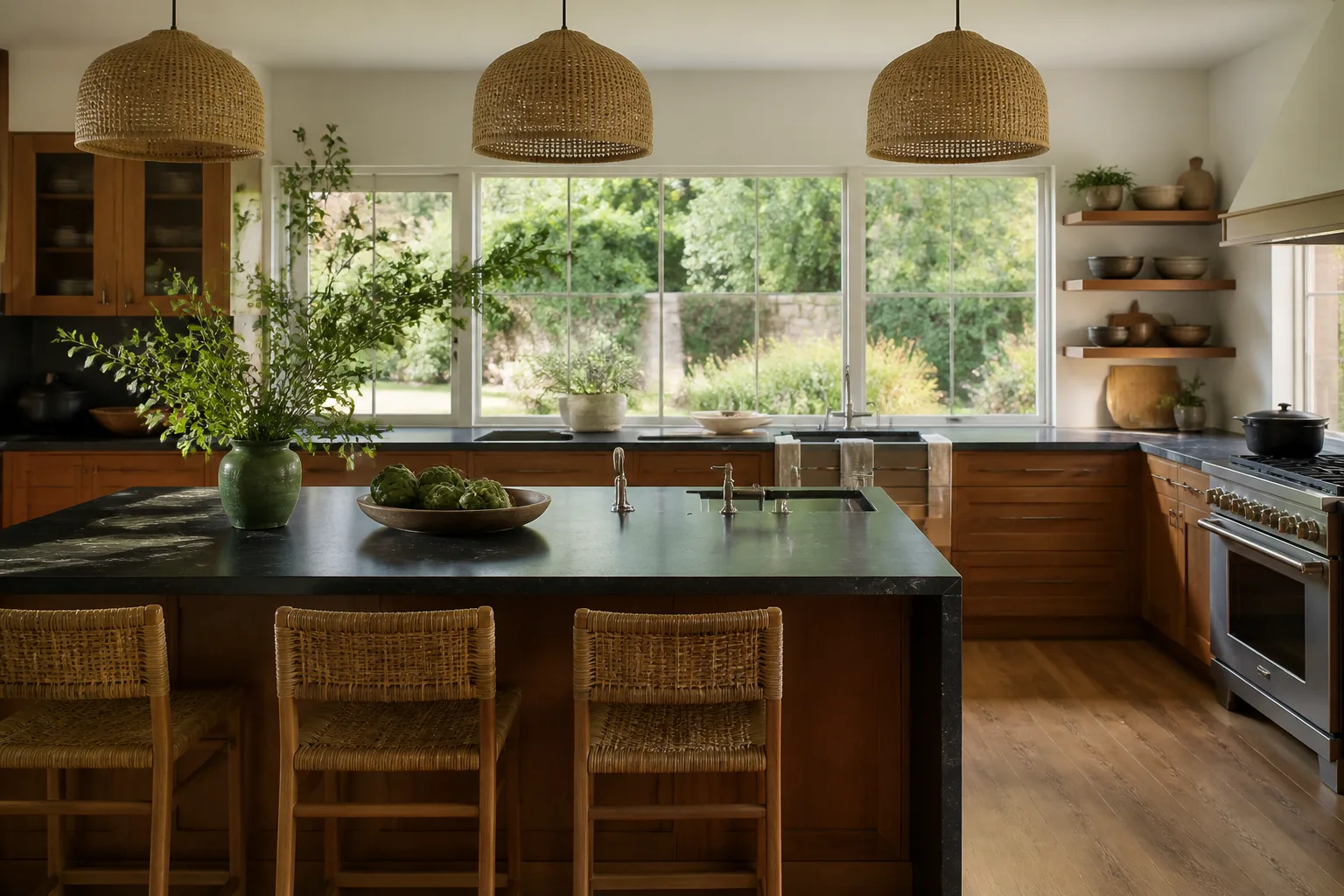
A full James Hardie-inclusive kitchen remodel in San Jose runs $16,520 to $53,100. A smaller job, like replacing the HardieBacker behind a backsplash or under a section of tile floor, lands in the $2,360 to $7,670 range for countertop-level work. What drives the spread is straightforward: how much board we’re pulling, what’s underneath it, and whether the whole kitchen comes out or just one section. Subfloor rot adds cost because you’re paying for framing lumber and plywood, not just board and tile.
Every estimate from Bradford Remodeling Co San Jose includes the line items: board, fasteners, mortar, tape, labor, and disposal. The written price you get before we start is the price on the invoice. No change orders unless you change the scope. And our 365-Day Done Right Promise covers the work for a full year. If that tile cracks or a seam opens inside twelve months, we come back and make it right at no charge.
DIY or Call Us?
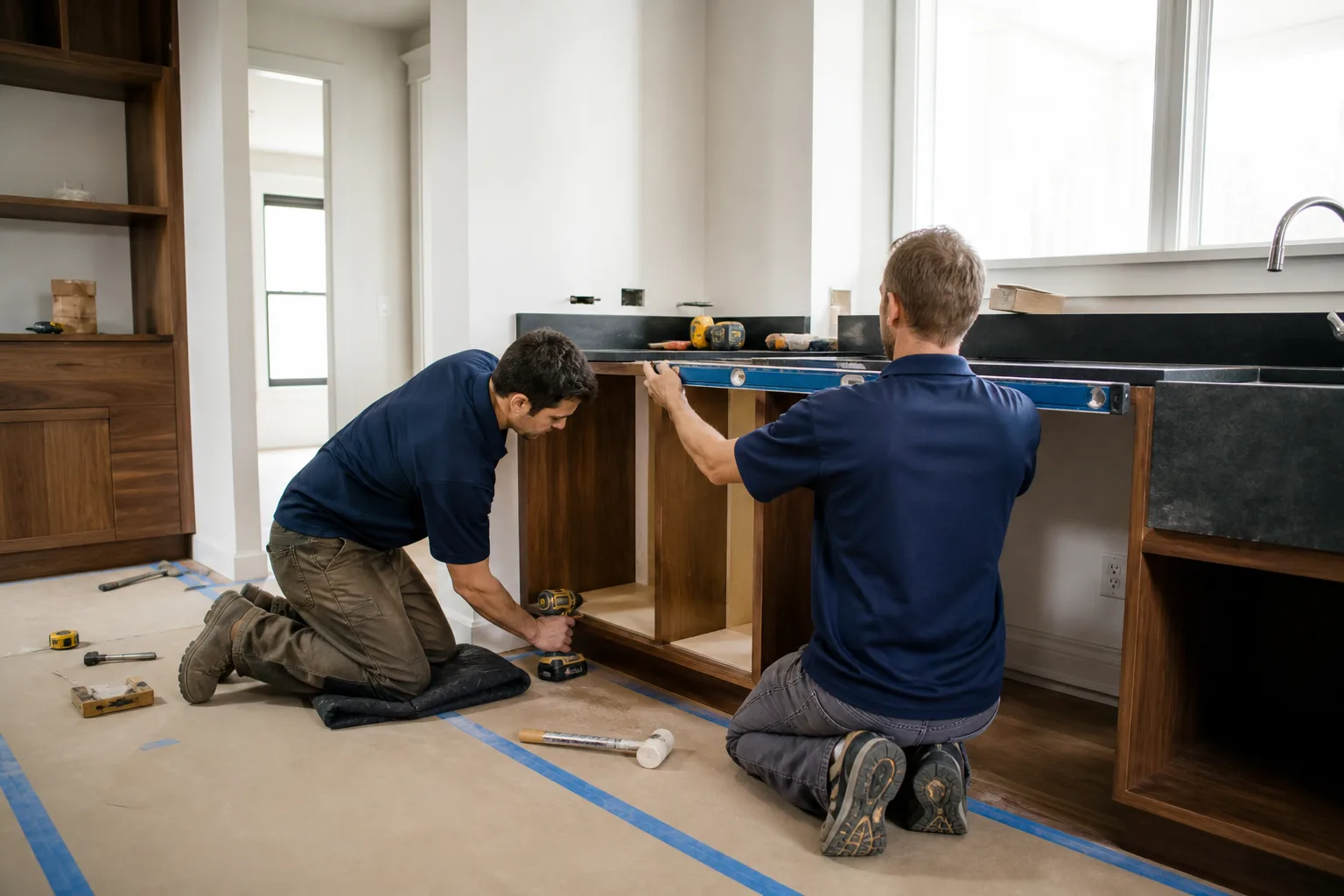
Here’s the honest split. You can safely check the thickness stamp on your existing board, look for loose tiles, and run your hand along the grout lines to find cracks. That’s useful information to have before you call. What you should not do is pull up a section of HardieBacker yourself. The board is fastened with alkali-resistant screws that countersink below the surface, and prying it out without damaging the surrounding tile or the subfloor takes a practiced hand. We’ve been called into San Jose kitchens where a well-meaning homeowner started a small repair and turned a $2,500 spot fix into a $12,000 subfloor replacement.
If the board is behind tile, under a countertop, or bonded to a subfloor, call us at (669) 272-2637. Curtis and the crew will come out, assess what failed, and give you a straight number before anything gets torn out. Straight number, written scope, done when we said done.
FAQs
Properly installed James Hardie cement board lasts 30 to 50 years in a San Jose kitchen, but the tile above it typically needs attention every 15 to 25 years due to grout wear and mortar fatigue. The board is not usually the weak point. The installation is. If the seams weren’t taped with alkali-resistant mesh tape, or the fasteners missed the studs, you’ll see failure in the first five years regardless of what the board’s rated lifespan is. Call (669) 272-2637 for an honest assessment of what’s actually failing in your kitchen.
A section of failed HardieBacker can usually be cut out and replaced without tearing out the entire kitchen, as long as the framing and subfloor beneath it are still sound. If water damage has reached the plywood or the studs, the repair becomes a replacement job because you can’t bond new board to rotted framing. We assess everything in writing before we recommend one path or the other.
Most San Jose kitchen remodels involving James Hardie products take 3 to 6 weeks from demo to final paint, depending on cabinet lead times and whether the subfloor needs work. A targeted board replacement behind a backsplash or under a tile floor can often be done in 3 to 5 working days. You’ll get a written schedule with your written price, and we hold to it.
We keep 1/4 inch and 1/2 inch HardieBacker, fiber-cement tape, alkali-resistant fasteners, and common HardieTrim profiles on our trucks for most San Jose service calls. Less common profiles or specialty pieces are ordered direct from our supplier, which typically adds 2 to 4 business days. For kitchens we also stock KraftMaid and Cambria components, plus Silestone for countertop work. Call (669) 272-2637 and we’ll confirm what’s on the truck before you schedule.
Written by Curtis Lane, Owner, Bradford Remodeling Co at Bradford Remodeling Co San Jose, serving San Jose and nearby areas.


