
Free written scope consultation - allowances, timeline, and change-order rules on paper before a single trade is scheduled
CWS Home Additions & ADU: The San Jose Owner’s Guide
We install CWS-compatible home additions and ADUs across San Jose, and the typical project lands between $53,100 and $153,400 depending on square footage, foundation work, and finish level. Most failures we see aren’t the addition itself failing but the connection points: the transition where new framing ties into the existing roofline, or the point where new slab meets old footing. Those seams are where water gets in, where settling shows up first, and where a CWS product needs a contractor who does not cut corners on flashing, drainage, or structural tie-in.
If you’re reading this, you likely have an aging addition or ADU with a structural problem, a failed connection, or a space that was never built right in the first place. Maybe the floor slopes, the drywall cracks at the header line, or the roof leaks at the transition. Curtis Lane and our crew at Bradford Remodeling Co San Jose have torn into enough of these in Willow Glen and across the city to know exactly what’s behind the symptom, and what it costs to fix it right.
Which CWS Models This Applies To
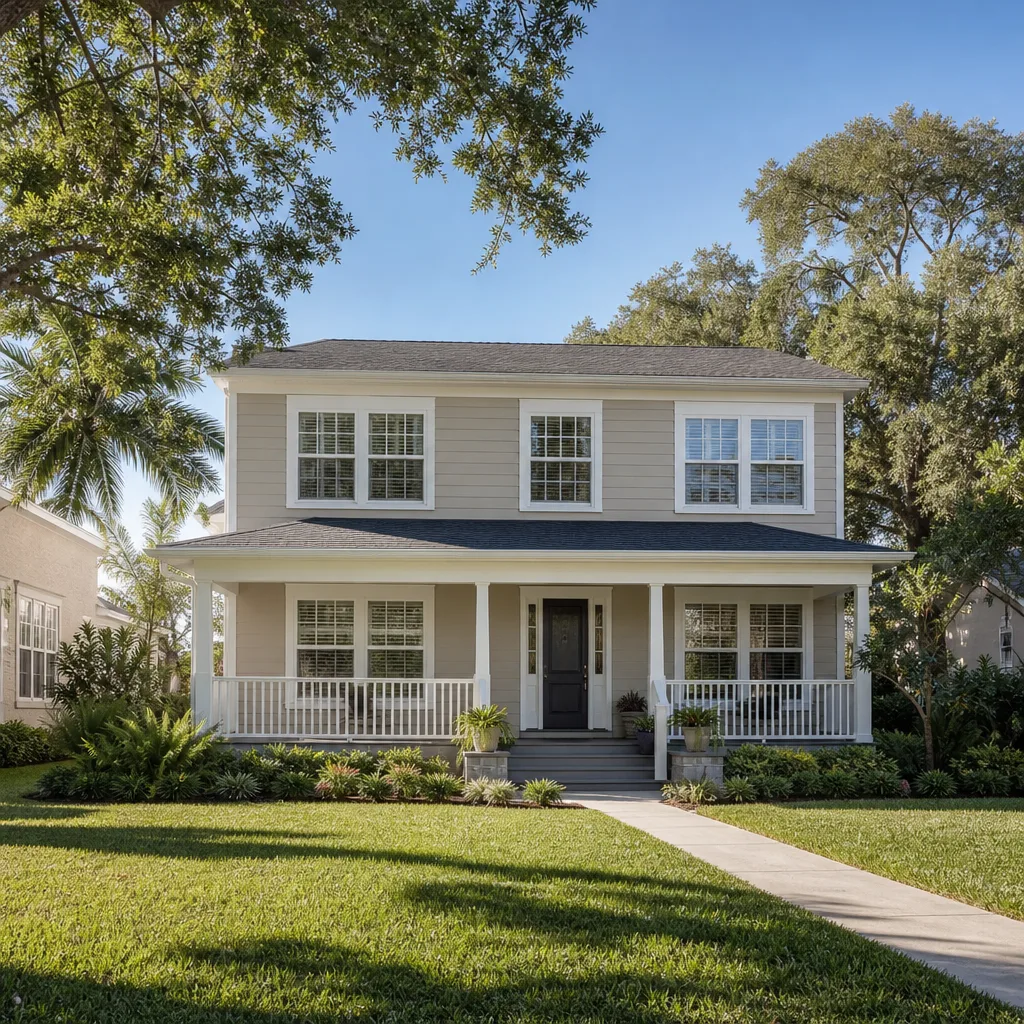
CWS home additions and ADUs in San Jose typically fall into three categories: slab-on-grade additions, raised-floor additions, and detached ADUs. The compatibility gotcha most owners miss is the foundation scope: a CWS slab-on-grade addition ties into the existing home differently than a raised-floor one, and the transition flashing, rebar dowel pattern, and under-slab drainage requirements are not interchangeable. If the original build used a specific CWS series for the roofline tie-in, the replacement work needs to match that load path.
Before we quote any addition or ADU repair, we identify the original construction method by checking the foundation edge, the crawl space or slab thickness, and the connection hardware at the roofline. For OEM components, CWS specifies certain bracket sizes, strap gauges, and flashing profiles. Aftermarket equivalents exist and often cost 20 to 30 percent less, but in San Jose’s wet winters and dry summers, we recommend OEM brackets and hardware at any load-bearing connection. The metal moves with temperature swings, and cheap brackets fatigue faster here than they do in milder climates. We also work with KraftMaid for cabinetry, Cambria and Silestone for countertops on addition kitchens, and the rest of our approved brand roster, so whatever the project scope, every material is documented and warrantied.
Styles & brands we work with







Signs Your CWS Home Addition or ADU Is Failing
- Drywall cracking at the transition header. This means the new framing is settling or racking independently of the original house. The cause is usually a failed or missing shear panel or an under-tied connection at the roofline. It will keep cracking until the load path is fixed.
- Water staining at the seam where the old roof meets the new roof. The transition flashing is the first thing to fail on a CWS addition. If the roofer lapped it wrong or used the wrong gauge, water is getting behind it. In San Jose, it shows as a dark line on the ceiling after the first heavy winter rain.
- Floor slope or bounce in the addition. Slab heave or a failing floor joist are the usual culprits. Older San Jose neighborhoods like Willow Glen have expansive clay soils; slabs move seasonally, and that movement finds the weakest point in a bolted-down framing connection.
- Doors or windows binding inside the changeover zone. When the addition shifts even a quarter inch, the casings show it first. If a door that once closed clean now drags on the jamb, the structure has moved, not the door.
- Dry rot or pest damage in the addition’s substrate. We open walls and regularly find failed flashing or missing drainage that let moisture sit against sheathing for years. That rot is the symptom; the failed CWS connection above it is the disease.
See the difference
 Before
 After
After Before
 After
After Before
 After
AfterReplacement Cost & What’s Included
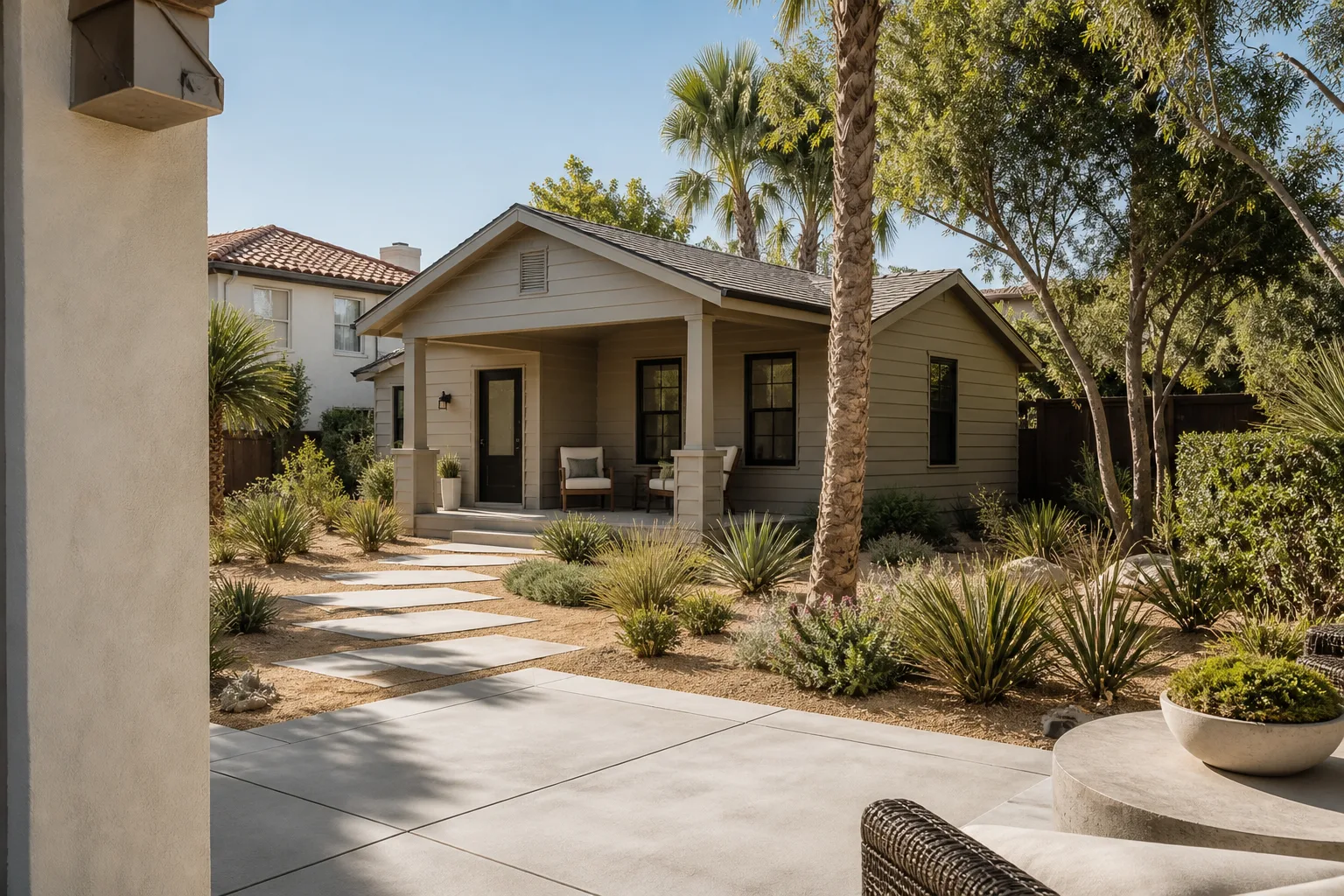
In San Jose, a CWS home addition or ADU repair of any meaningful scope runs from $53,100 to $153,400. The spread is driven by whether you are repairing a single connection point or rebuilding a full roof transition, foundation section, and related interior finishes. A full kitchen remodel inside an addition using our documented brands runs $16,520 to $53,100 on top of structural work. A small bathroom inside the addition runs $10,620 to $33,040.
Every quote includes the parts, labor, debris removal, and a written scope that itemizes exactly what we will do. No number moves at the door. You get a written price before work starts, every time, and every completed project carries the 365-Day Done Right Promise. If the work fails inside that year, Bradford Remodeling Co San Jose returns and corrects it at no charge.
DIY or Call Us?
You can safely inspect visible joints, check for water staining, and verify that grade slopes away from the addition. You should not attempt to re-tie framing, replace tensioned connection hardware, or reframe a roofline transition. High-tension brackets and structural shear panels under load are dangerous to release without bracing you cannot improvise safely. If the problem is in a load-bearing wall or the roofline attachment, call us at (669) 272-2637. A wrong fix on a structural connection makes the eventual failure worse, not better.
Bradford Remodeling Co San Jose is an independent service provider and not affiliated with CWS. We stock the common brackets, flashing profiles, and structural hardware for CWS-style additions on our trucks, and we keep the specialty fasteners at our San Jose yard. If we do not have the part, we get it inside a business week. Straight number, written scope, done when we said done.
FAQs
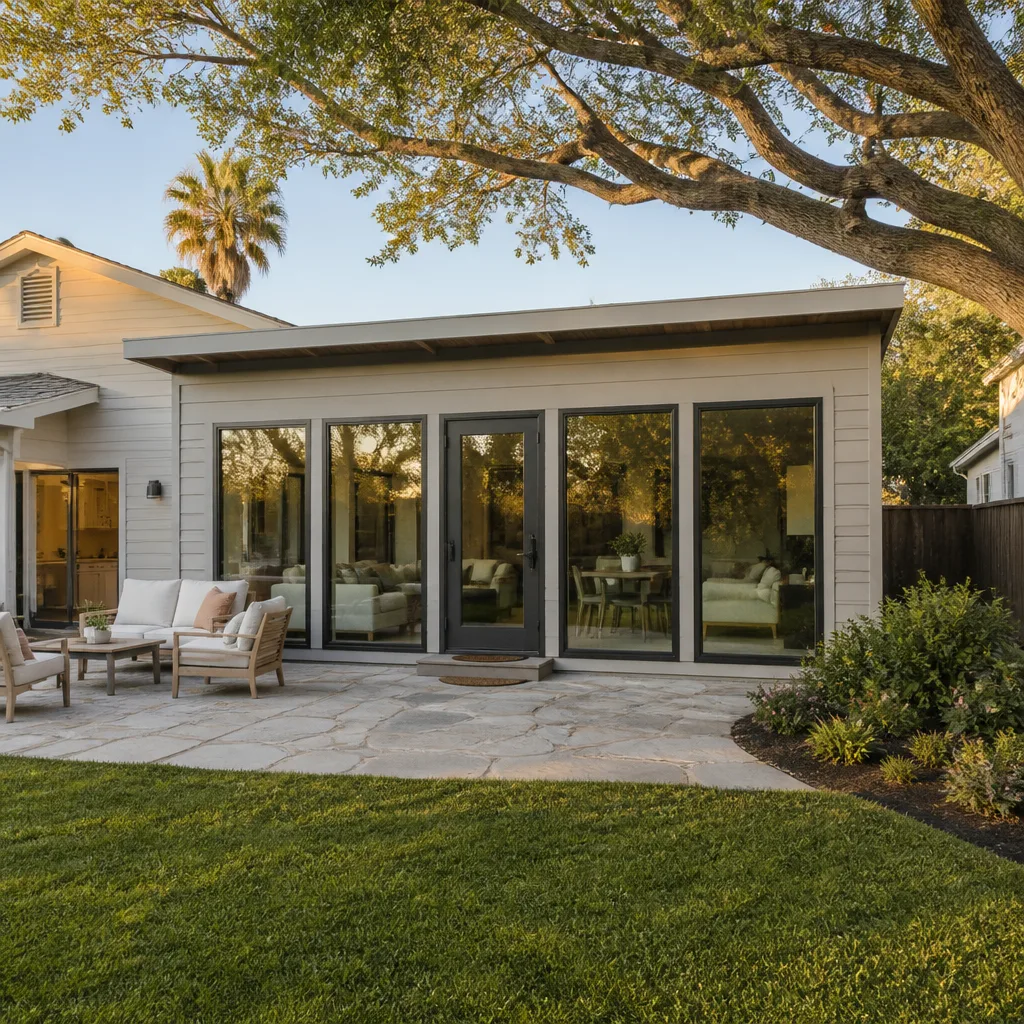
A properly built addition with correct flashing, drainage, and tied connections should last 50 years or more before needing structural attention, though the roof transition and flashing often need repair or replacement after 15 to 20 years of San Jose’s dry summers and winter wet cycles. Call (669) 272-2637 and we will assess what you have.
Many connection failures can be repaired by cutting back the affected area, re-flashing, re-tightening with specified hardware, and patching finishes, but if the substrate is rotted or the framing has racked beyond tolerance, a full replacement of that section is the only fix that lasts. We will tell you which one your project needs and put it in writing.
A typical transition repair on a CWS home addition or ADU takes 3 to 7 working days, while a full structural re-tie with interior finish work runs 2 to 4 weeks depending on scope and the weather window for roofing work. We give you the schedule in the written scope before we start.
We stock the common CWS-compatible brackets, flashing profiles, and load-path hardware at our San Jose yard, and we keep the less common Series-specific fasteners and heavy connectors on short lead order. If we have a question on a specific part, we will verify it before we quote the job.
If you have a CWS home addition or ADU acting up in San Jose, call Bradford Remodeling Co San Jose at (669) 272-2637. We will give you a written price, a straight scope, and a real answer.
Written by Curtis Lane, Owner, Bradford Remodeling Co at Bradford Remodeling Co San Jose, serving San Jose and nearby areas.


