
Free written scope consultation - allowances, timeline, and change-order rules on paper before a single trade is scheduled
CGI Home Additions & ADU: The San Jose Owner’s Guide
Bradford Remodeling Co San Jose installs and builds CGI-compatible home additions and ADUs throughout San Jose, with most projects landing between $53,100 and $153,400 for a full home addition and $106,200 to $259,600 for a detached ADU. We’re an independent service provider, not affiliated with CGI, but we work with CGI product specifications every week and know where the materials hold up and where they fail. Most owners call us after discovering water intrusion at a roof-wall intersection, sagging floor framing behind a CGI panel wall, or drywall cracks spreading across a new addition that was framed too quickly by a prior crew.
Straight number, written scope, done when we said done. That’s how Curtis Lane runs every job, and a CGI home addition or ADU is no different. If you’re looking at a failing addition or a CGI product that never got finished right, here’s what you need to know before you spend another dollar.
Which CGI Models This Applies To
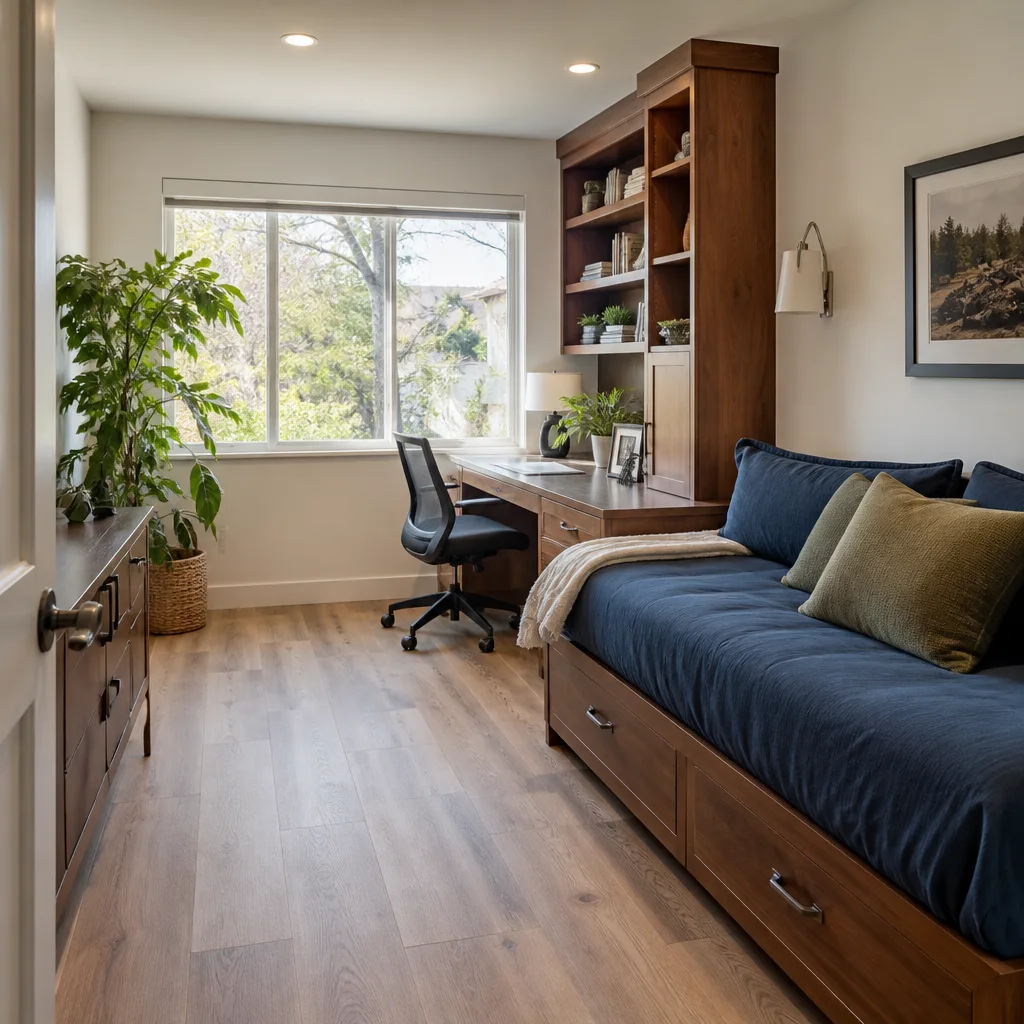
CGI manufactures a range of exterior wall panels, window and door systems, and structural components used in residential additions and accessory dwelling units. The compatibility question is not brand-level, it’s series-level. A CGI panel specified for a coastal wind zone won’t match the attachment pattern of one rated for a standard inland installation, and mixing them on a San Jose addition creates exactly the kind of leak path we get called to fix.
Before any replacement or repair, we confirm three things: the CGI product series stamped on the panel edge or window frame, the installation date (CGI’s warranty terms changed over the years, and older series used different fastening schedules), and the original permit drawings from the City of San Jose. If the previous contractor didn’t pull permits, the fastening schedule was likely improvised, and improvised fastening on a CGI wall panel is the single most common cause of premature failure we see in Willow Glen and Rose Garden additions.
OEM versus aftermarket matters on CGI specifically because the panel dimensions are not standard to the wider siding market. A generic replacement panel from a big-box yard will be within an eighth of an inch on paper and wrong by half an inch at the seam. We stock and order OEM-spec CGI parts, and when an OEM part is discontinued, we’ll tell you that on the phone before you schedule anything. No surprises at the quote table.
Styles & brands we work with







Signs Your CGI Home Additions & ADU Is Failing
- Water staining at interior corners where the addition meets the original house. This usually means the CGI wall panel flashing was lapped incorrectly at the transition, or the original house’s stucco wasn’t cut back far enough before the panel went on. Water finds that seam eventually, and once it does, the framing behind it is wet.
- Visible fasteners pulling away from the panel face. CGI panels are rated for specific wind loads, and when a San Jose crew uses the wrong screw length or spacing, the panel works loose over two or three summer-winter cycles. Loose fasteners mean water entry, not just a cosmetic gap.
- Horizontal cracks running through painted drywall at the top of the addition wall. This points to differential settling between the addition’s foundation and the existing slab. CGI materials themselves don’t crack, but the structure they’re mounted to does.
- Gaps opening at window or door corners on the CGI-clad wall. The panel system moves with temperature, and when the rough opening was cut too tight, the corner joints start to separate. On an ADU in San Jose’s hot summers, thermal movement is a real issue.
- Spongy or crowned floors inside the addition within the first three years. This is often a subfloor or joist problem, not a CGI panel failure. But if the panel was installed before the subfloor dried out, moisture gets trapped and the whole assembly stays wet. That’s a teardown, not a patch.
See the difference
 Before
 After
After Before
 After
After Before
 After
AfterReplacement Cost & What’s Included
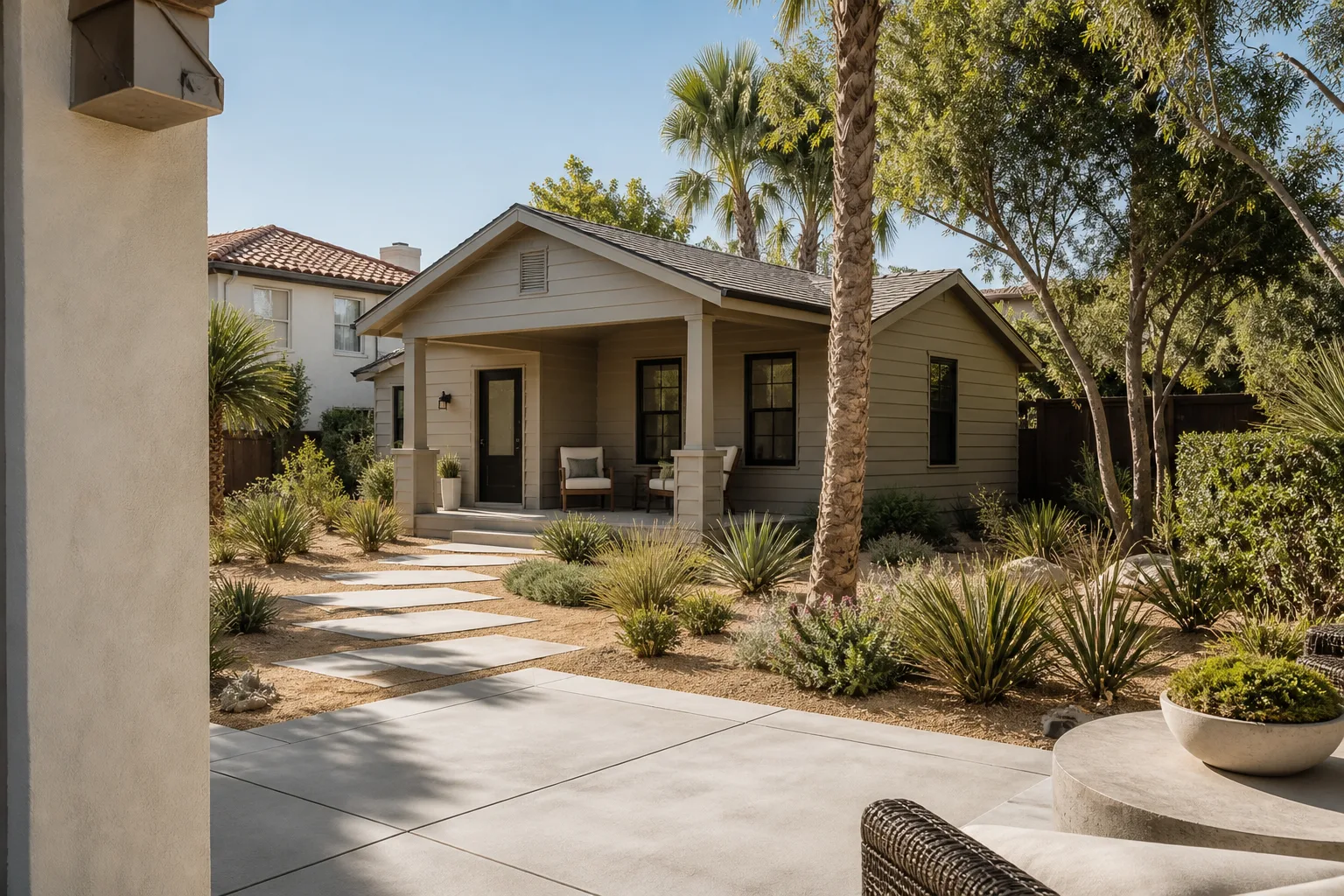
For San Jose homeowners, a full home addition with CGI-compatible materials runs $53,100 to $153,400 depending on square footage, foundation work, and whether you’re building a kitchen, a primary suite, or a great-room addition. A detached ADU using CGI exterior products lands higher, $106,200 to $259,600, because it includes separate utility runs, its own foundation, and full kitchen and bath rough-ins.
What drives the range within those numbers: the condition of the existing foundation where the addition ties in, the CGI series you’re matching, permit requirements from the City of San Jose, and whether the original work has to be demolished first. Every quote we give is a written line-item price before work starts, parts and labor separated, with the 365-Day Done Right Promise in writing. If the work doesn’t hold for a full year, we come back and correct it at no charge.
We also work with KraftMaid and Cambria for interior finishes, and Silestone for surfaces, so the inside of your addition is held to the same documented standard as the CGI shell.
DIY or Call Us?
You can safely check a few things yourself: look for visible gaps at panel seams, run a hose along the addition’s exterior wall on a dry day and watch inside for moisture, and confirm whether your original permit was finaled with the City of San Jose. Those checks tell you if something’s wrong.
What you should not do is pull fasteners, remove a panel, or try to re-flash a wall intersection yourself. CGI wall panels carry structural load in wind events, and an improperly re-secured panel can fail catastrophically in a winter storm. That’s not a handyman fix. The framing, flashing, and panel work on a CGI addition is trade work, and the crews who cut corners are the reason we’re out there fixing it in the first place. Call (669) 272-2637 and we’ll give you a straight answer on whether it’s a repair or a rebuild.
FAQs
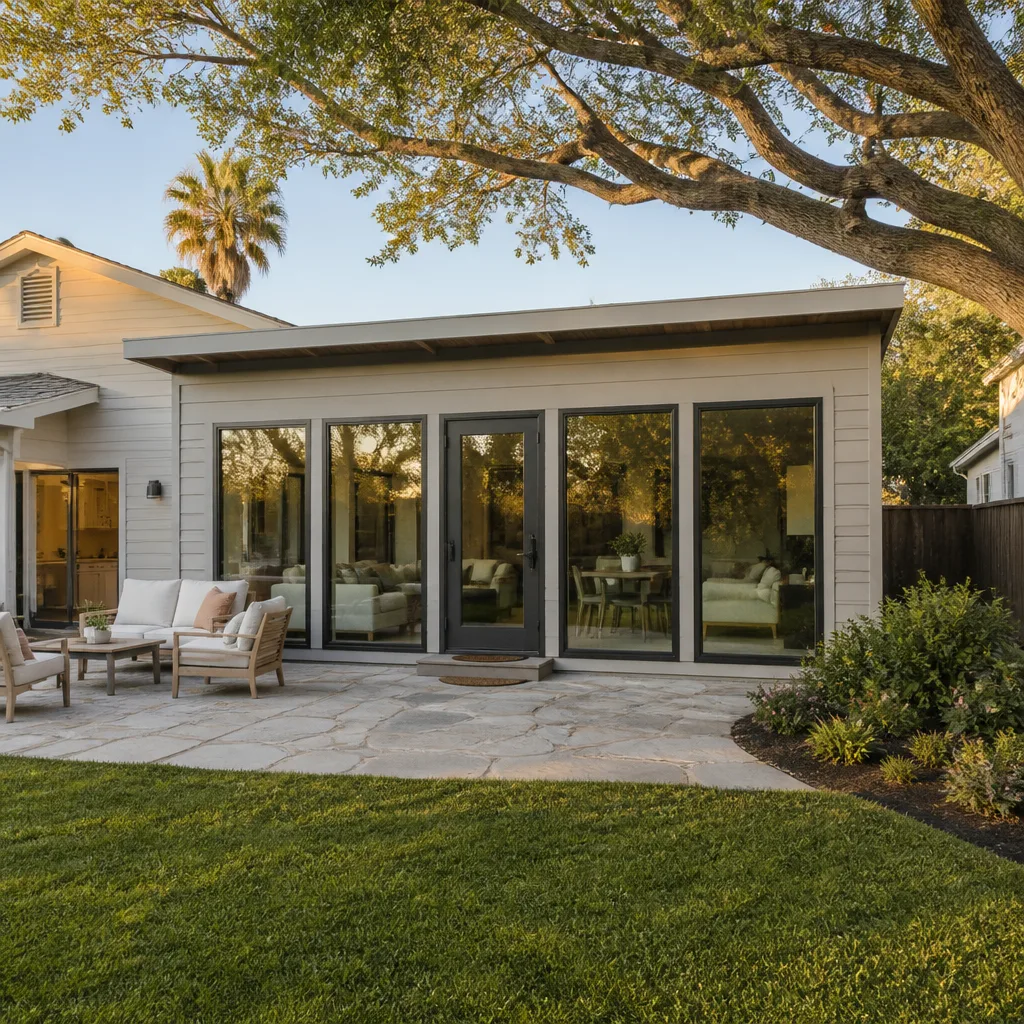
With correct installation, CGI exterior products and the structure behind them should last 40 to 50 years in San Jose’s climate, though the first five years are the real test; most failures we see trace back to improper flashing or fastening during the original install, not material defects. Call (669) 272-2637 for an inspection quote.
Yes, in about 60% of cases the repair is targeted: re-flashing a wall intersection, replacing a run of fasteners, or correcting a foundation settlement issue before it spreads to the panel system. If the framing behind the panel is rotted, that section gets rebuilt, and we’ll put the exact scope in writing before anything gets torn out.
A targeted repair on a CGI wall or flashing issue is usually a three to five day job; a full addition or ADU build runs four to eight months depending on scope, permits, and weather. We’ll give you a schedule in the written quote, and the 365-Day Done Right Promise starts the day we finish.
We carry common CGI fasteners, flashing profiles, and seam sealants on the truck, but panel series and dimensions are ordered per job because matching the wrong series is worse than waiting a day for the right one. We’ll tell you what’s on hand and what’s on order before you commit.
If you’re dealing with a CGI addition or ADU problem in San Jose, call (669) 272-2637 for a free estimate. Curtis Lane and the Bradford Remodeling Co San Jose crew will give you a straight number on paper and a written guarantee behind the work.
Written by Curtis Lane, Owner, Bradford Remodeling Co at Bradford Remodeling Co San Jose, serving San Jose and nearby areas.


