
Free written scope consultation - allowances, timeline, and change-order rules on paper before a single trade is scheduled
Boxabl Home Additions & ADU: The San Jose Owner’s Guide
Boxabl home additions and ADU construction in San Jose typically run $53,100 to $153,400 installed, depending on site prep, foundation work, and utility connections. Most Boxabl owners reach out to us when their Casita arrives and the real work begins: tying the module into the existing home, connecting plumbing and electrical, and getting the structure permitted and signed off. The unit itself is factory-built. The site work, utility rough-in, and finish connections are what separate a legal dwelling from a parked box.
Bradford Remodeling Co San Jose is an independent contractor, not affiliated with Boxabl. Curtis Lane and our crew handle the full scope of site preparation and finish construction around the Boxabl module. That’s where we spend most of our time on these projects: bringing the Boxabl Casita from a delivered shell to a permitted, livable ADU in San Jose’s zoning and code environment.
Which Boxabl Models This Applies To
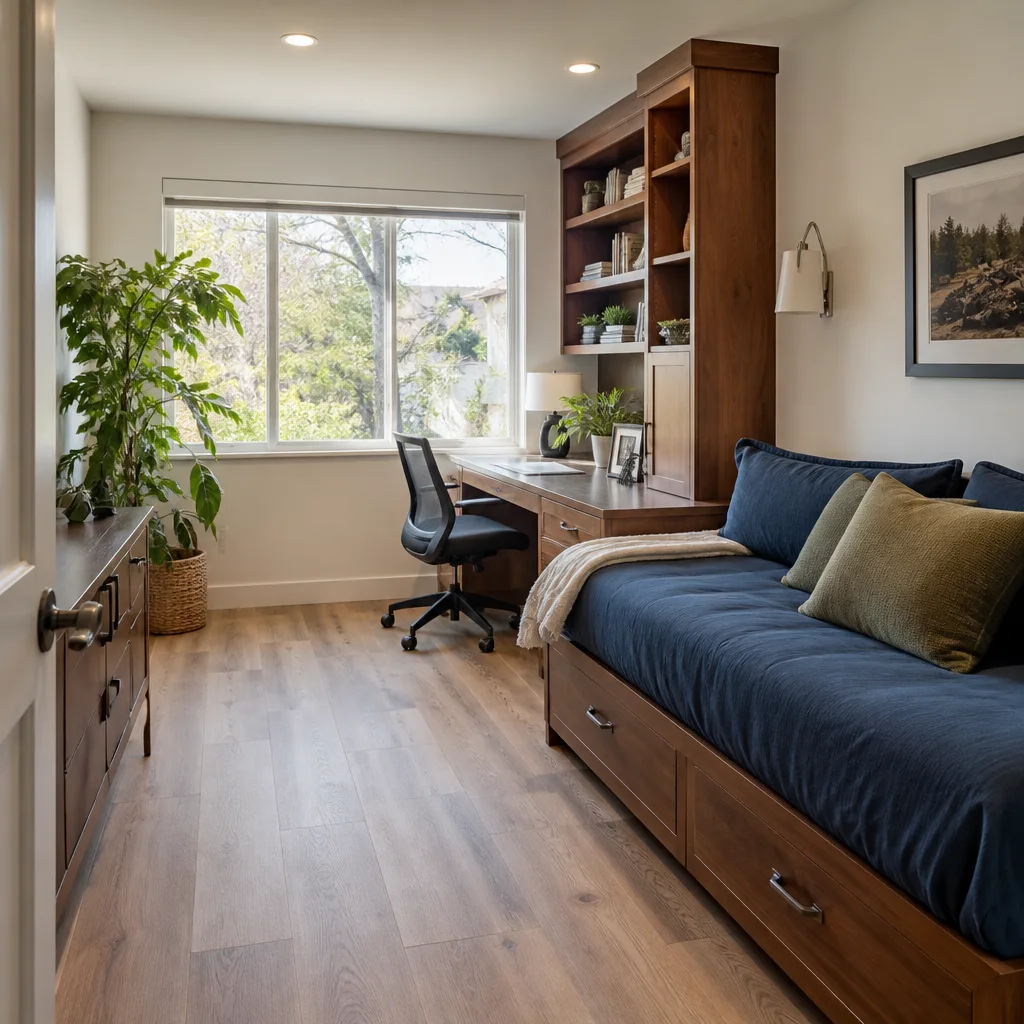
The Boxabl Casita is the module we work with most in San Jose. It ships as a 20×20-foot unit, roughly 400 square feet, folding out from a collapsed 8.5-foot-wide shipping configuration. The factory handles the box itself. We handle everything outside and underneath it: foundation, utility trenches, connections, landings, and any deck or ramp work.
Here’s the compatibility gotcha most homeowners don’t know until the module shows up: the Boxabl arrives with factory stubs for plumbing and electrical, but those stubs are positioned for the factory’s generic layout. If your San Jose lot has a slope, a rear-yard setback issue, or a utility main that’s further than expected, the connection points may need to shift. That’s not a Boxabl defect. It’s a site condition. We verify stub locations against your site survey before the module arrives, because once it’s set, moving a sewer line stub is a five-figure mistake.
For the OEM-versus-aftermarket question on Boxabl home additions and ADU finishes: the factory ships the shell, windows, doors, and interior finishes. What’s not included is everything code requires in San Jose: shear wall anchoring, seismic strapping, fire-rated separation from the main house where code calls for it, and the utility connections themselves. We use documented materials for all of that work, including name-brand products from our approved set like James Hardie for exterior cladding and GAF for any roofing connections. Specs stay traceable.
Styles & brands we work with







Signs Your Boxabl Home Additions & ADU Is Failing
- Water pooling at the base of the module. The most common issue we see in San Jose is drainage failure around the foundation pad or piers. If water sits against the module’s underside, it leads to rust on anchor points and moisture wicking into the floor assembly. The fix usually involves regrading and adding a proper drainage swale, not replacing the module.
- Doors or windows binding when they close. Boxabl modules are rigid steel-frame structures. If the door starts catching, the module has likely shifted on its foundation. In San Jose’s clay-heavy soils, seasonal swelling and settling can move a pier or pad by fractions of an inch. The door is the tell. We re-level and re-anchor.
- Utility connections backing up or tripping breakers. Boxabl ships with specific electrical service requirements. If the panel in your main house is undersized or the trench to the ADU wasn’t run at the right depth, you get nuisance trips and slow drains. This isn’t the module failing; it’s the site work.
- Visible gap between the module and any attached deck or landing. ADUs in San Jose often need a landing at an exterior door. If that landing starts pulling away from the module, frost heave or settling is in play. It’s a straightforward fix if caught early, but left alone it can pull the door frame out of square.
- Musty smell inside with no visible leak. Condensation under the module is real in San Jose’s winter wet season. If the vapor barrier under the unit was skipped or torn during installation, ground moisture comes up through the floor. We see this most on ADUs installed by out-of-area crews who didn’t know the local soil conditions.
See the difference
 Before
 After
After Before
 After
After Before
 After
AfterReplacement Cost & What’s Included
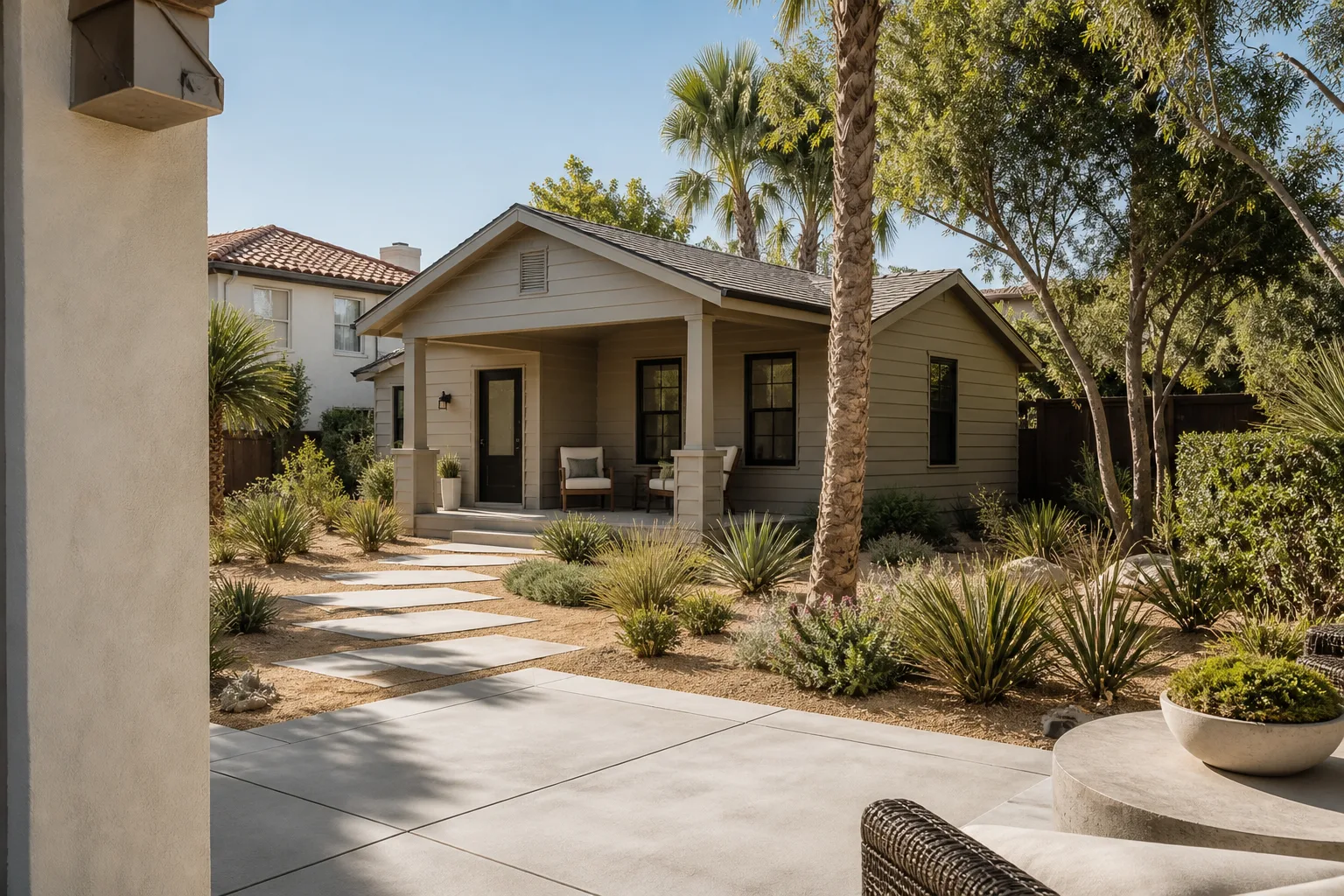
A full home addition or ADU project in San Jose runs $53,100 to $153,400. That’s the range we quote for Boxabl-related site work, utility connections, foundation or pad work, and the finish construction around the module. Smaller-scope jobs, like fixing a foundation issue or reconnecting utilities on an existing Boxabl, fall below that range. Full garage-to-ADU conversions with a Boxabl component land between $35,400 and $94,400.
Here’s what drives the spread:
- Site access. San Jose backyards with narrow side yards or overhead utility lines cost more for crane or delivery staging.
- Foundation type. A flat concrete pad is the baseline. Piers, grade beams, or seismic upgrades add cost.
- Utility distances. Running a new sewer lateral 80 feet versus 15 feet changes the trenching bill substantially.
- Permit and engineering requirements. San Jose’s planning department wants structural calculations, soil reports, and Title 24 energy compliance on ADUs. We pull permits and handle the paperwork, but the fees and engineering hours are real line items.
- Finish scope. Landings, stairs, deck connections, and any exterior cladding around the module’s base all move the number.
Every estimate is a written line-by-line price before work starts. No change orders at the door. Everything we complete carries the 365-Day Done Right Promise: if the work fails within a year, we return and correct it at no charge.
DIY or Call Us?
There are things a Boxabl owner in San Jose can check safely. You can inspect around the base of the module after heavy rain for standing water. You can watch the doors and windows for binding. You can note where utility lines enter the unit and whether the area is settling. Those observations help us diagnose the problem faster.
What you should not do yourself is anything involving the module’s structural anchoring, utility connections, or foundation leveling. Boxabl modules weigh thousands of pounds. Re-leveling a shifted module without the right equipment is dangerous. Electrical and sewer connections require permits and inspections in San Jose. Missing either one leaves you with an illegal dwelling that becomes a liability when you sell the house.
If you suspect your Boxabl home addition is failing, call (669) 272-2637. We’ll send a crew chief out to look at it, give you a written scope, and tell you what it costs. Straight number, written scope, done when we said done.
FAQs
A properly sited and anchored Boxabl ADU in San Jose should last 30 to 50 years as a structure, but the site work (foundation, drainage, utility connections) needs attention every 10 to 15 years depending on soil movement. The module itself is steel-framed and factory-sealed, so the weak points are almost always where site work meets the box, not the box itself. Call (669) 272-2637 for a site-specific durability assessment. Estimates are free.
Yes, in most cases the issues we see in San Jose are repairable: foundation re-leveling, drainage corrections, utility reconnection, and door re-squaring are all standard fixes. Full module replacement is rarely necessary unless the steel frame itself has corroded or the factory seal has been compromised. We’ll tell you honestly which situation you’re in after one site visit.
Site preparation and utility connections for a new Boxabl ADU typically take 6 to 12 weeks in San Jose, driven mostly by permit review and inspection scheduling. A focused repair like re-leveling a shifted module or fixing drainage takes 2 to 5 days once permits are cleared. We give you a written schedule with every estimate, including inspection dates from the city.
We keep the common site-work materials on hand in San Jose: anchor hardware, drainage components, vapor barrier, and utility connection fittings used on Boxabl projects. For module-specific components, the manufacturer or an approved supplier is the right source. What we stock on the truck covers the site conditions that fail most often around the module. We also work with documented brands like KraftMaid, Cambria, and Silestone when the ADU includes any interior finish upgrades.
Written by Curtis Lane, Owner, Bradford Remodeling Co at Bradford Remodeling Co San Jose, serving San Jose and nearby areas.


