Free written scope consultation - allowances, timeline, and change-order rules on paper before a single trade is scheduled
American Standard Bathroom Remodeling: The San Jose Owner’s Guide
American Standard bathroom remodeling in San Jose typically runs $10,620 to $33,040 for a full gut-and-rebuild, and we complete most bathroom remodels in 3 to 5 weeks once materials land. If your American Standard tub, shower pan, or wall surround has cracked, faded, or started leaking at the seams, you’re usually looking at a replace-or-rebuild decision, not a quick caulk fix. What starts as a small crack in an acrylic tub or a loose shower valve escutcheon usually traces back to substrate movement, a failed seal, or a rough-in that was never squared up properly in the first place. We see it most often in San Jose’s older ranch neighborhoods, where slab foundations shift a fraction of an inch and put stress on every rigid joint in the bathroom.
Bradford Remodeling Co San Jose installs and remodels around American Standard tubs, showers, vanities, and fixtures every week. We are an independent remodeling contractor, not an American Standard dealer or authorized service center, which means we match the right part to the right model without a brand quota steering the recommendation. The range above covers a full bathroom remodel: demolition, substrate repair, waterproofing, American Standard-compatible fixture install, tile, trim, and a written warranty. If the issue is a single failed component, not a full remodel, the price drops considerably, and we’ll tell you that straight.
Which American Standard Models This Applies To
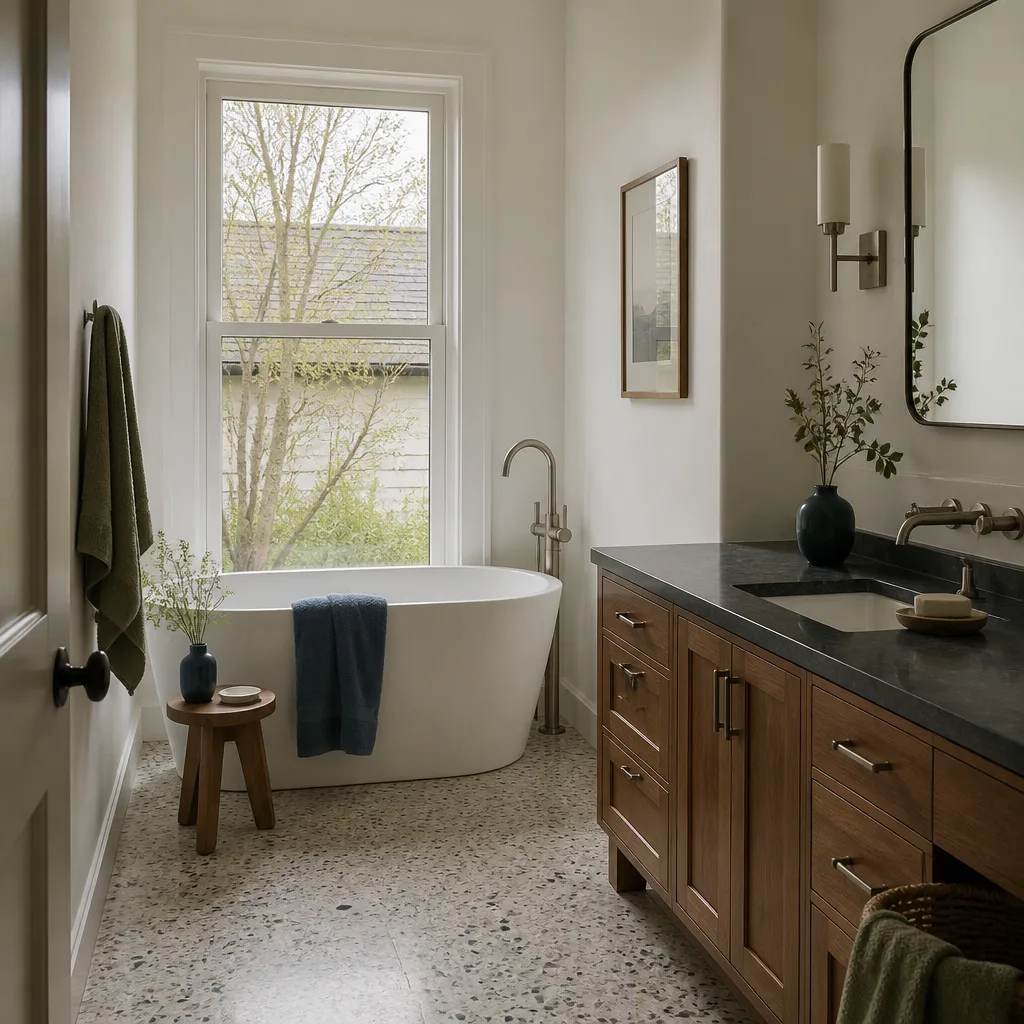
American Standard splits its bathroom product lines into a few families homeowners in San Jose should know. The Americast line is a porcelain-on-composite tub material that weighs about half of cast iron but keeps the enamel surface. The Acrylux line is molded acrylic, common in builder-grade homes and rental properties, and it shows its age faster here because California’s dry air and hard water wear the surface differently than humid climates. The Studio and Cadet series sit in the middle, with the Cadet line showing up frequently in San Jose homes built between 1990 and 2010.
Here’s the compatibility gotcha most homeowners hit: American Standard has changed drain placement and overflow height across model years, even within the same series name. A Cadet tub from 2005 does not necessarily match a Cadet tub from 2020 in rough-in dimensions. When we spec a replacement, we pull the model number off the underside of the tub apron or the backside of the shower valve trim plate, then measure drain center to overflow center before ordering anything. Guessing based on the series name is how you end up with a tub that doesn’t drain properly or a shower valve that doesn’t align with the existing plumbing rough-in.
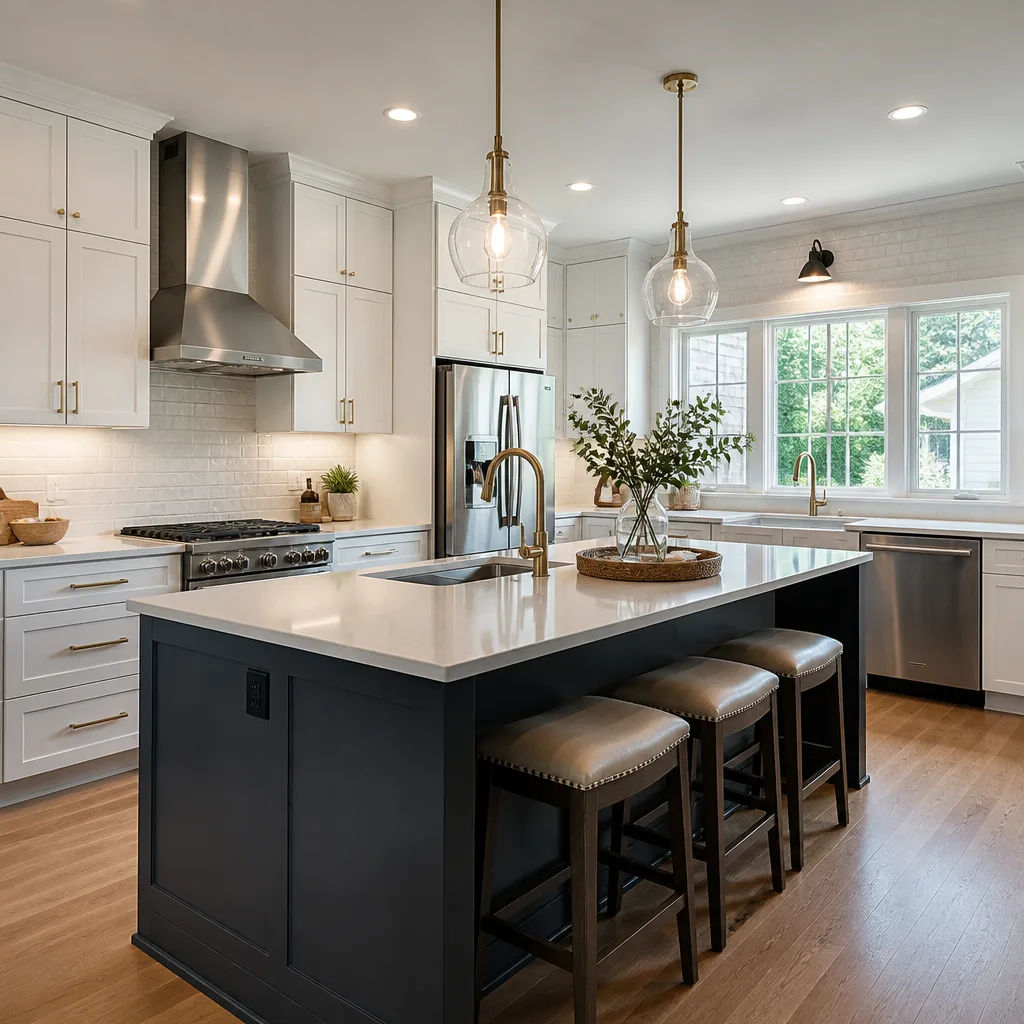
On OEM versus aftermarket: for trim, cartridges, and valve components, we recommend OEM American Standard parts when the valve body is still sound. The tolerances on pressure-balancing cartridges are tight, and a generic aftermarket cartridge can cause temperature spikes or slow leaks at the stem. For surrounds, bases, and decorative trim, name-brand aftermarket equivalents from companies like Oatey or Schluter perform well and can save real money. We also work with KraftMaid, Cambria, and Silestone when a bathroom remodel expands to vanities, counters, or a full bath-to-suite conversion.
Styles & brands we work with
Signs Your American Standard Bathroom Remodeling Is Failing
- Cracks or spider-webbing in an Americast tub surface. This usually means the tub was set on an uneven mortar bed or the subfloor has flexed. The composite core is strong, but the porcelain surface can’t tolerate movement underneath it. If you see hairline cracks radiating from a point, the substrate has failed under that spot.
- Water staining on the ceiling below the bathroom. This is rarely the drain gasket. In San Jose homes with older copper waste lines, a slow drip at the tub shoe or a failed overflow gasket seeps for months before you notice it. The tub-to-drain connection is the first thing we pull and inspect when a ceiling stain appears directly under a second-floor bath.
- Shower valve that goes from cold to scalding when someone flushes a toilet. That points to a worn pressure-balancing cartridge inside the American Standard valve body. The fix is a cartridge swap in most cases, but if the valve body itself is corroded from hard water deposits, you’re looking at cutting into the wall to replace the whole unit.
- Acrylic surround pulling away from the wall at the seams. Acrylux and similar acrylic surrounds are only as good as the adhesive and the wall behind them. When the wallboard behind them gets soft from steam penetration or a failed corner seal, the surround loses its grip and the seams open up. That is a mold-risk situation in a San Jose bathroom that doesn’t get enough ventilation.
- Persistent mildew odor with no visible leak. Water is getting behind a surface somewhere, most likely at a failed caulk joint between tub and surround or at the tub-to-floor transition. By the time you smell it, the organic material in the wall cavity has been wet long enough to support growth, and the fix is not more caulk. It’s opening the wall and replacing what’s wet.
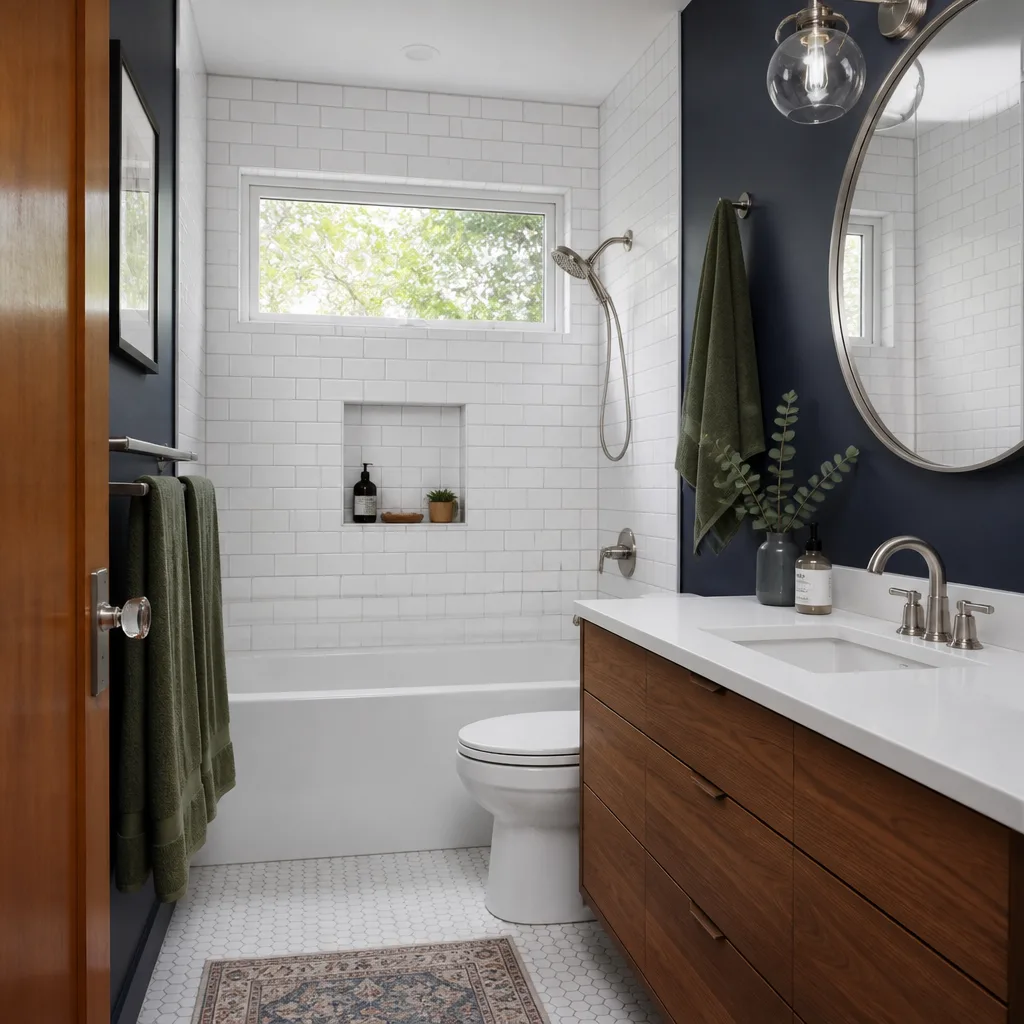
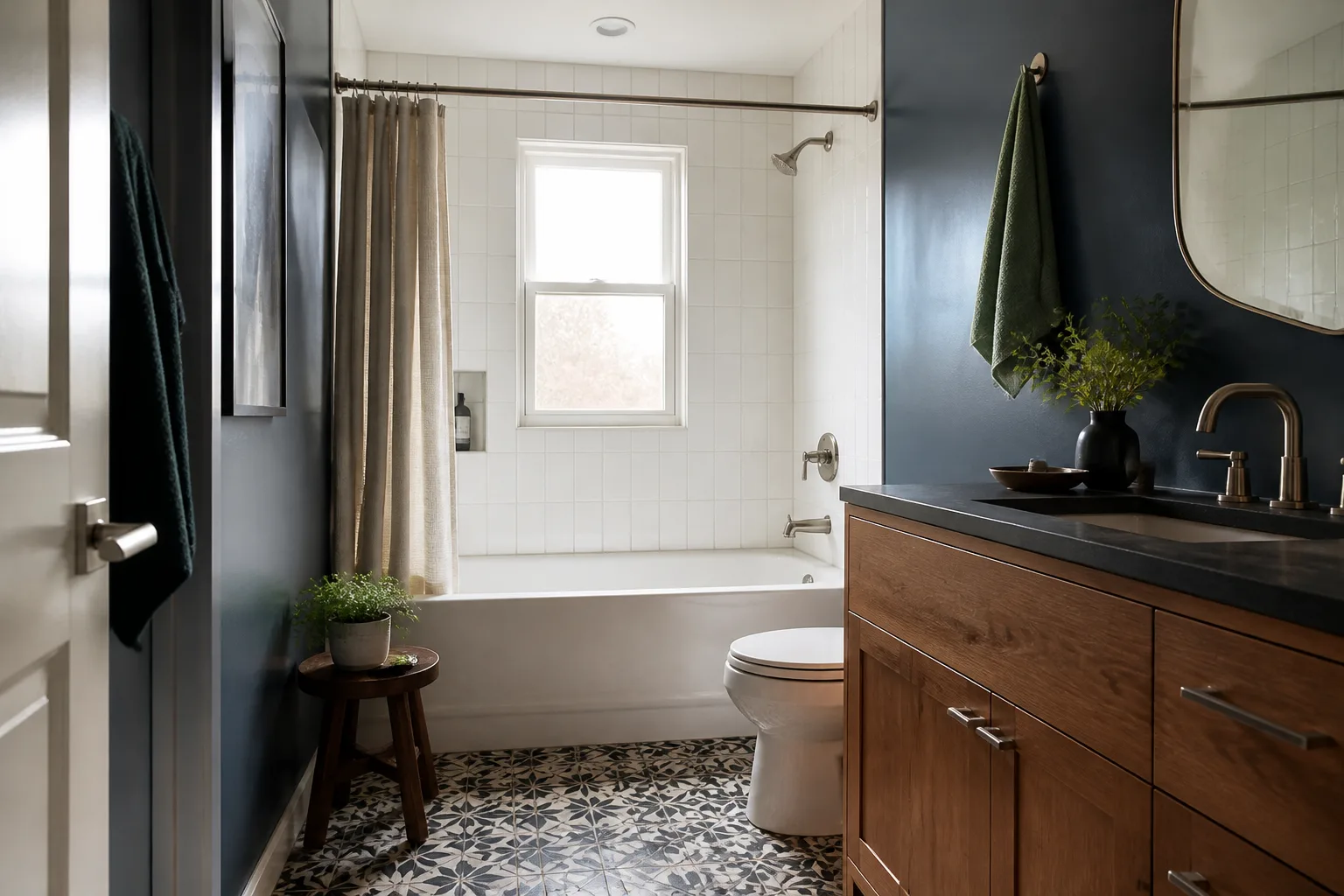
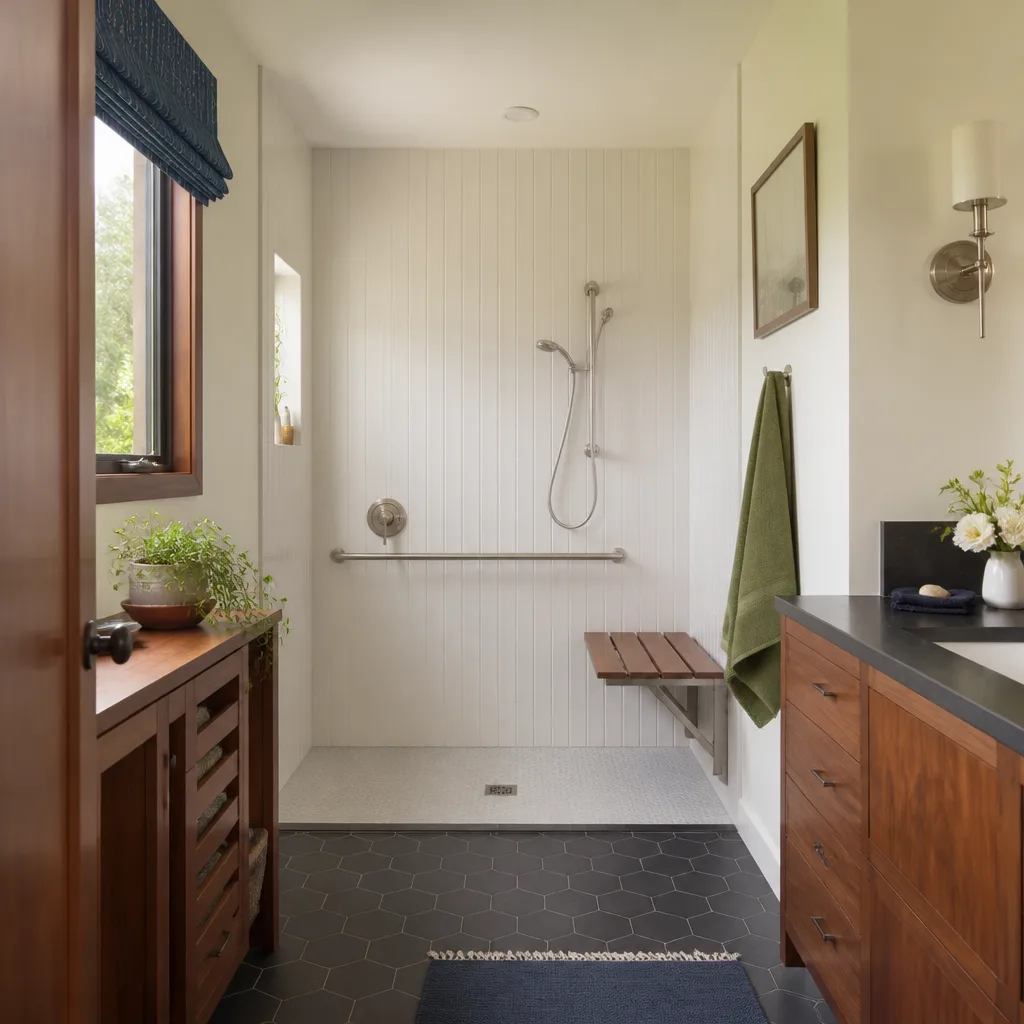
See the difference
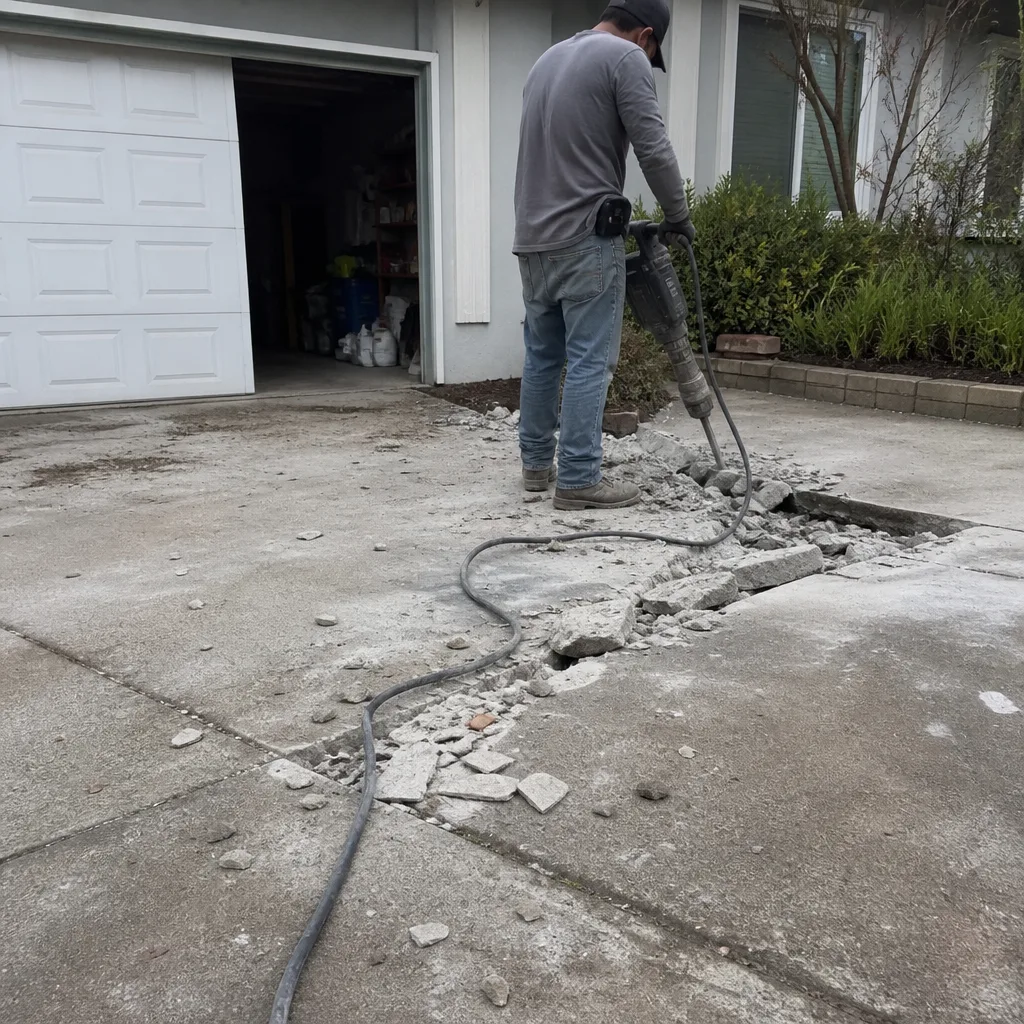 Before
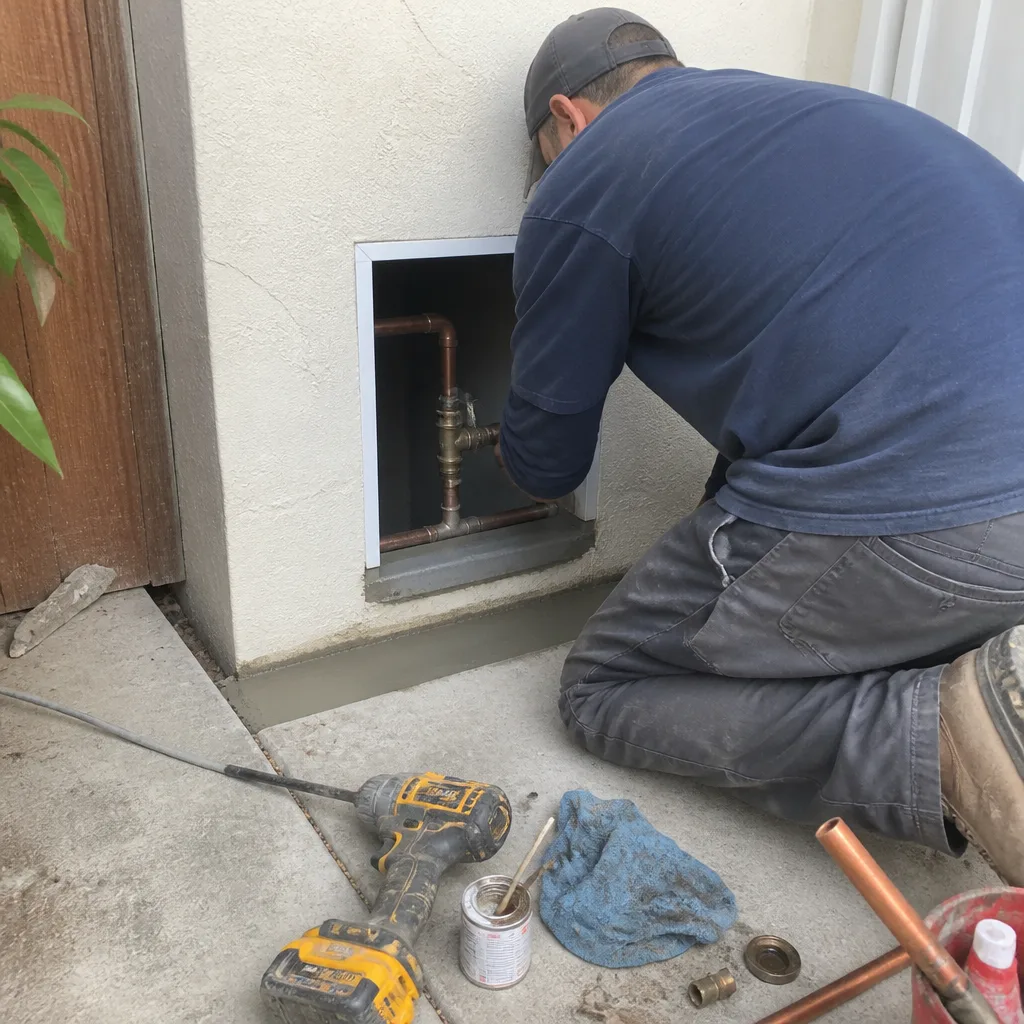 After
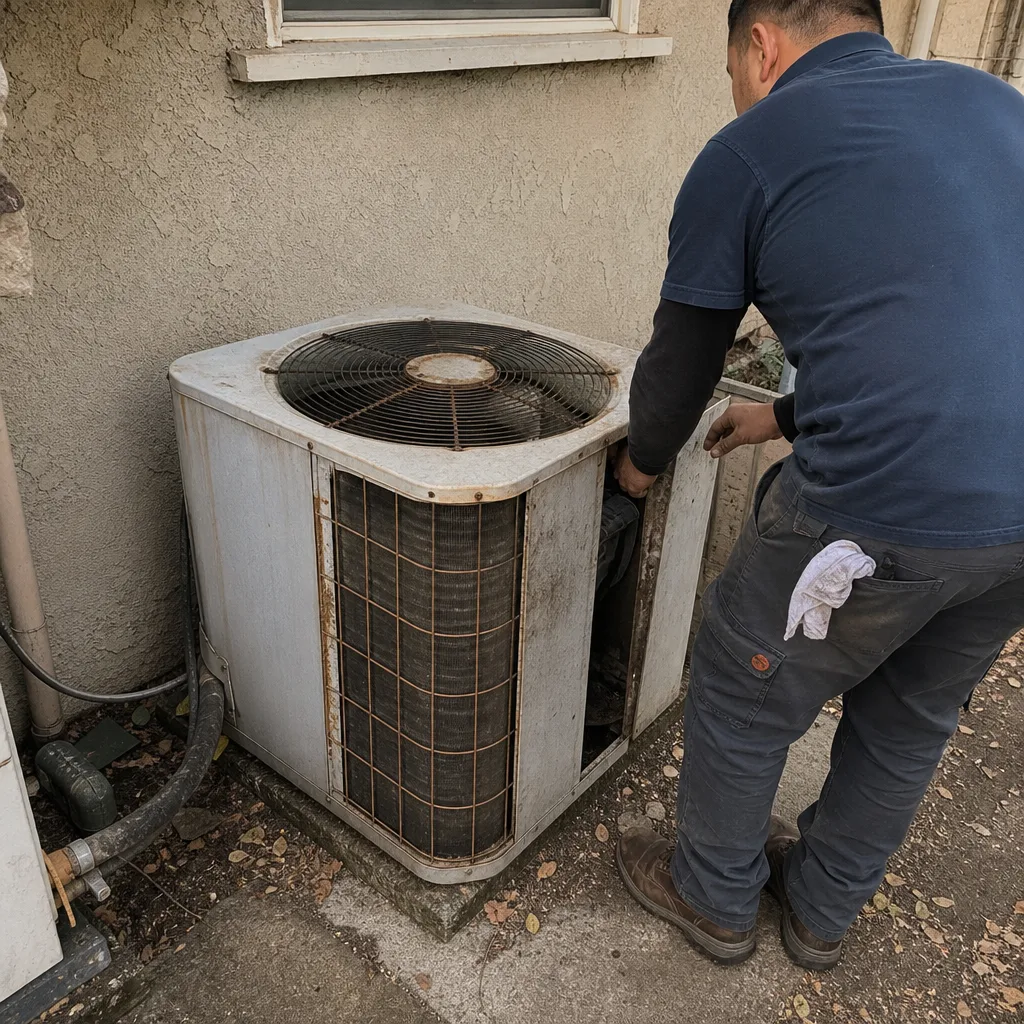 Before
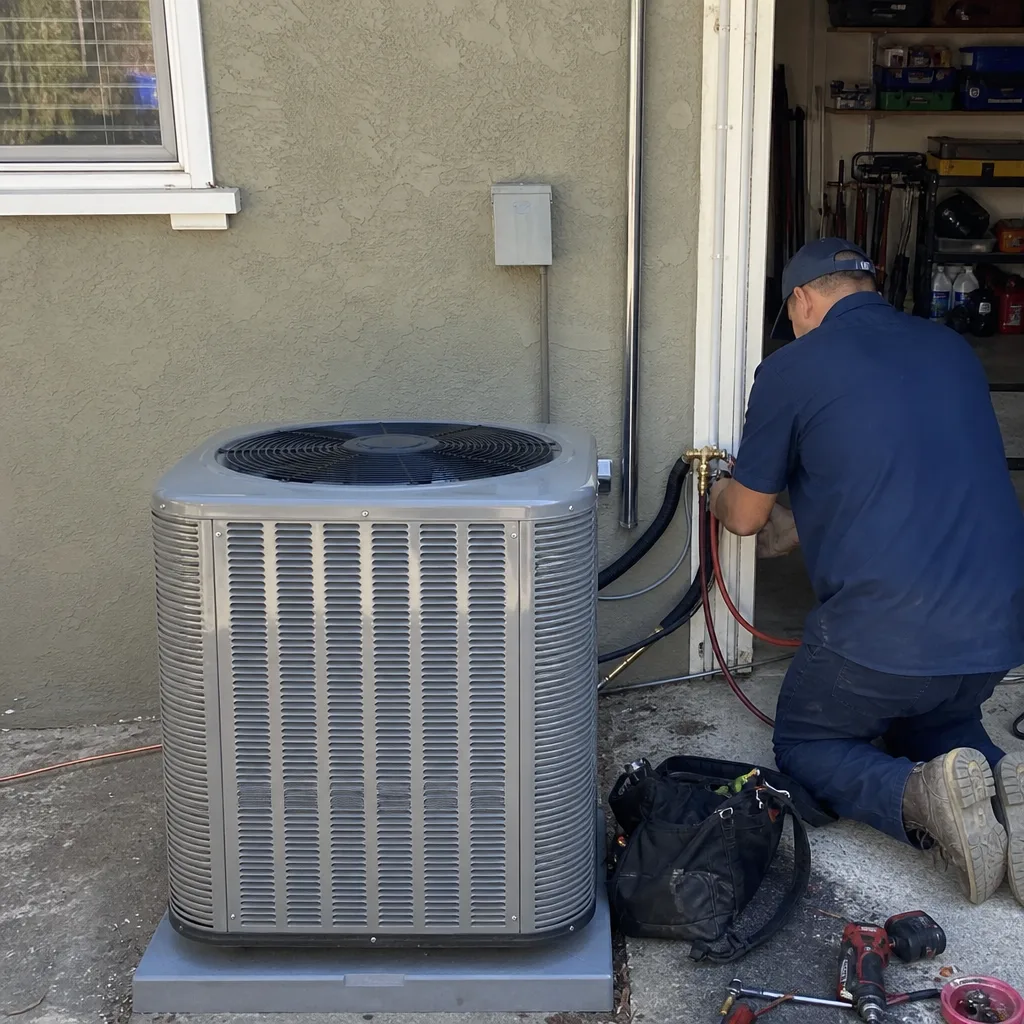 After
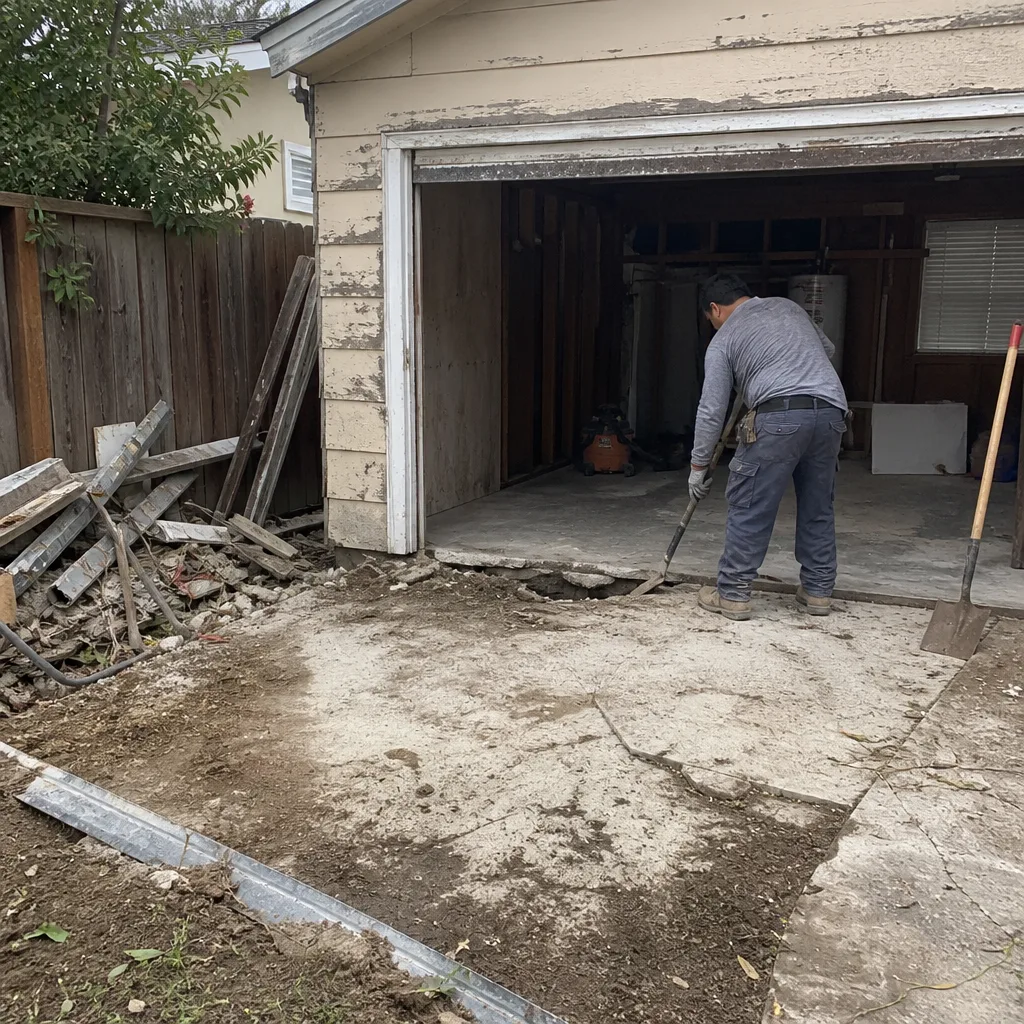 Before
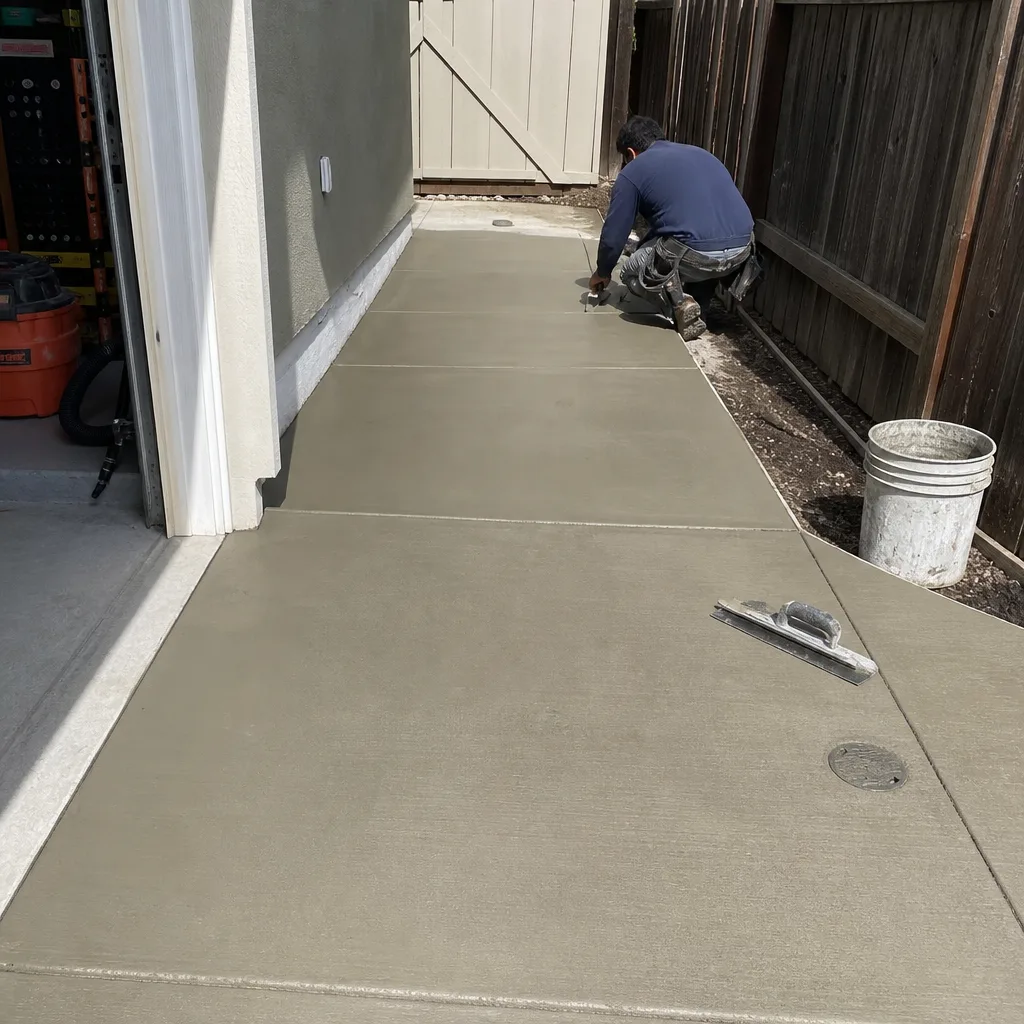 After
Replacement Cost & What’s Included
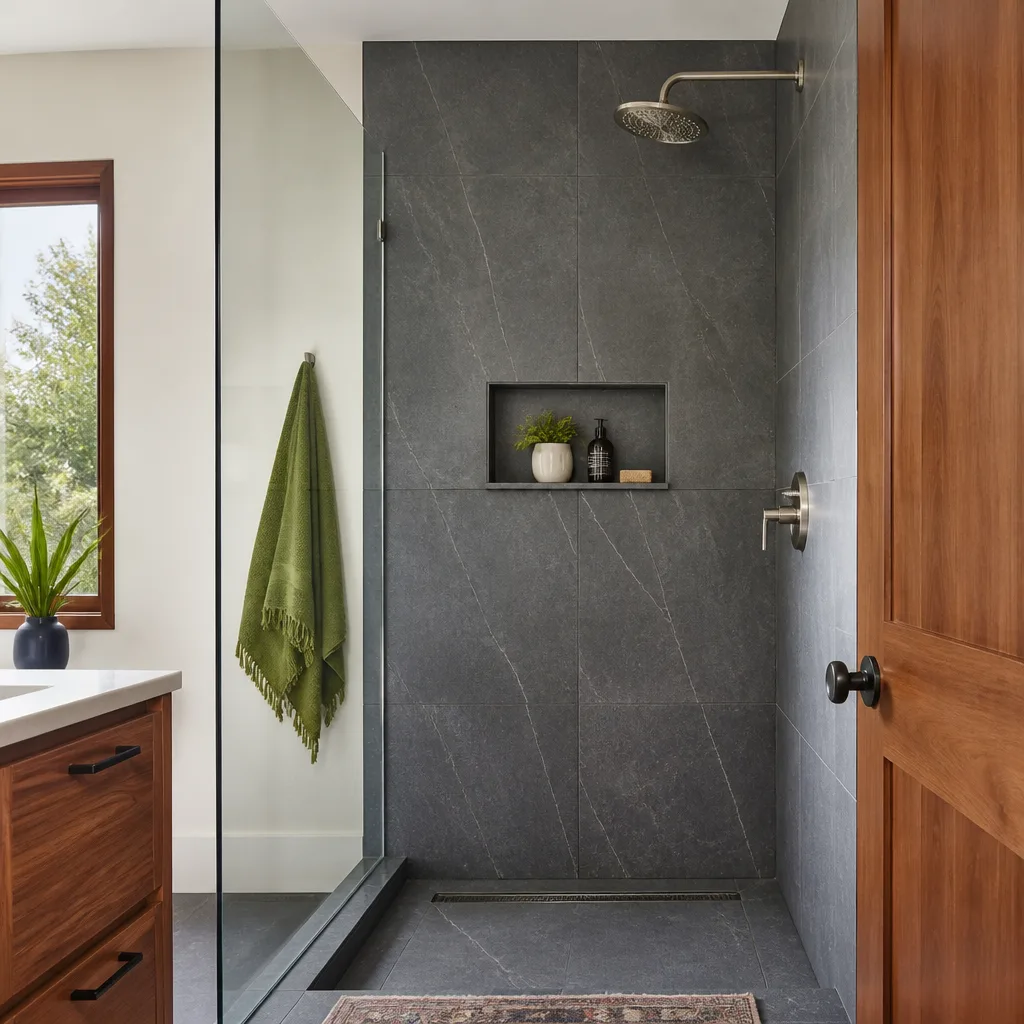
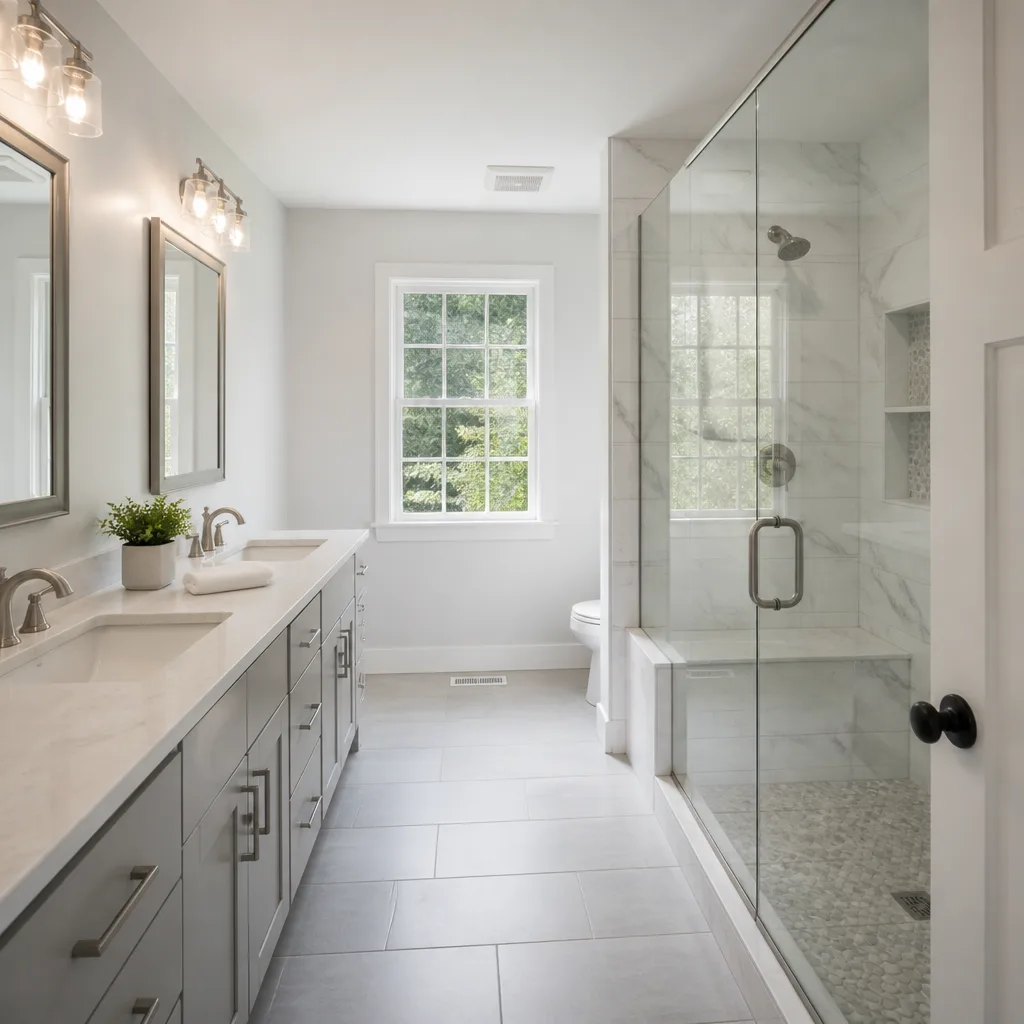
For a full American Standard bathroom remodel in San Jose, expect $10,620 to $33,040 installed. A small bathroom remodel lands at $5,900 to $14,160. A tub-to-shower conversion runs $4,130 to $11,800. A shower replacement alone sits at $3,540 to $10,030, and a standalone vanity installation is $945 to $3,540. These are written, flat-rate ranges, not time-and-materials estimates that drift upward once the walls are open.
What drives the spread is substrate condition, not the price of the American Standard fixture itself. A bathroom where the subfloor is solid, the studs are dry, and the rough-in is within standard layout runs at the low end. A bathroom where the subfloor has rotted around the toilet flange, the shower valve is off-center by an inch and a half, and the wall cavity has mold from a decade-old leak runs at the high end. That’s why we put every price in writing before work starts, after an inspection. The written number covers demolition, disposal, substrate repair, waterproofing, fixture installation, tile or surround, trim, and the full-year written guarantee. If we open a wall and find damage we couldn’t see during the estimate, we stop and put the revised scope in writing before touching anything else. No numbers move at the door.
DIY or Call Us?
Some things are safe to check yourself. You can read the model number off the tub apron or valve trim plate, test whether the tub flexes when you step in it, and inspect caulk joints for separation. That information helps us spec the job before we even arrive. You can also confirm whether your American Standard valve is a pressure-balancing model by checking for a “PB” or “P” designation on the trim plate.
What you should not do is cut into the wall behind a tub or shower to inspect for a leak you can’t see. The moment you open a wet wall cavity in a San Jose home, you may be releasing mold spores into the living space, and if the electrical for a nearby outlet or switch runs through that same cavity, you’re creating a hazard. Tub and shower replacement also involves drain connections under the floor, plumbing that must meet local code, and waterproofing that has to be done in sequence or it fails inside a year. We handle all of it under one written scope, and the 365-Day Done Right Promise covers the work for a full year. If it fails inside that window, we come back and correct it at no charge. Call (669) 272-2637 for a free estimate, and we’ll put the straight number in writing before any work begins.
FAQs
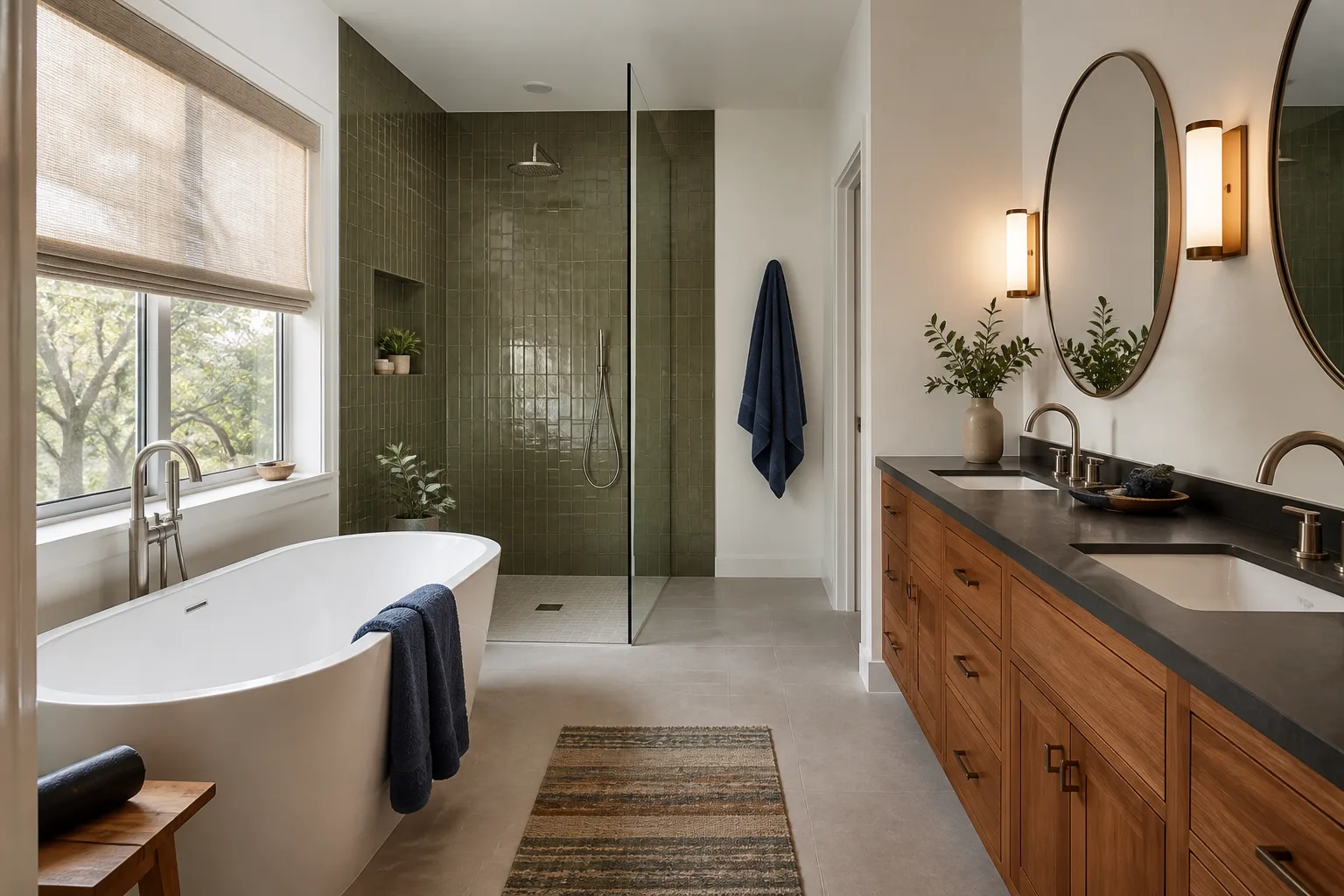
An Americast tub properly set on a level mortar bed can last 20 to 30 years; an Acrylux acrylic surround typically lasts 10 to 15 years in San Jose before surface wear, seam separation, or fading makes replacement worth considering. Water hardness in San Jose shortens fixture and cartridge life compared to softer-water markets. Call (669) 272-2637 if you want us to assess what you have.
Yes and no. Surface refinishing can buy a few extra years on a tub with cosmetic wear, but it will not fix structural cracks, a failed substrate, or anything leaking behind the wall. If the failure is structural or water-related, replacement is the honest answer, and we’ll tell you that in writing rather than layer a coating over a problem that’s still moving underneath.
Most full bathroom remodels in San Jose run 3 to 5 weeks from first day of demolition to final walkthrough, depending on substrate condition and whether the material schedule stays on track. A tub-to-shower conversion is usually 7 to 10 working days. We give you a written schedule with the written price, and the punch-list walk happens on a weekday morning before noon, no surprises.
Our crews carry common American Standard pressure-balancing cartridges, stems, valve trim, drains, and overflow assemblies on the truck, so a quick cartridge swap or drain repair often happens same-day. Tub bodies, shower bases, and surrounds are ordered to spec after we confirm the model number and rough-in dimensions, so the part matches the first time. Call (669) 272-2637 and we’ll tell you what’s in stock for your model.
Written by Curtis Lane, Owner, Bradford Remodeling Co at Bradford Remodeling Co San Jose, serving San Jose and nearby areas.