
Last updated October 16, 2026

Free written scope consultation - allowances, timeline, and change-order rules on paper before a single trade is scheduled
The Complete Guide to Construction in San Jose
San Jose’s Department of Planning, Building and Code Enforcement processed most over-the-counter residential permits in 6 to 14 weeks through its online portal in 2024. That single fact upends most national remodeling advice, which assumes a contractor can pull a permit, start demo, and keep a schedule moving. In San Jose, the permit queue is the schedule. This guide maps the actual terrain of construction in San Jose: what things really cost in Santa Clara County, which code requirements change the scope of a typical remodel, how the city’s permit system works in practice, and what separates a disciplined contractor from a bid that quietly falls apart. You’ll leave with working numbers, the right questions to ask, and a clear picture of what “doing it by the book” actually requires here.
Quick Answer
Construction in San Jose costs between $150 and $400 per square foot for most residential remodels, with whole-home renovations typically landing between $250,000 and $650,000 depending on scope, finish level, and whether the project triggers seismic or floodplain upgrades. Permits run 6 to 14 weeks for most over-the-counter projects, and seismic zone D2 classification means nearly every structural remodel must add shear walls, anchor bolts, and engineered hold-downs. The single most important decision you’ll make is choosing a contractor who puts the written price, the scope, and the guarantee in writing before any work begins, because San Jose’s permit delays and code requirements punish vague bids more than almost any other market in the country.
Styles & brands we work with







Table of Contents
- How San Jose’s Permit System Actually Works
- What Construction Actually Costs in San Jose
- Seismic Zone D2: Why Most Remodels Need Shear Walls
- The Santa Clara County Labor Multiplier, by Trade
- The Urban Growth Boundary and What It Means for Your Lot
- Floodplain Rules: When ‘Substantial Improvement’ Triggers a Full Upgrade
- Choosing a Construction Contractor in San Jose
- Common Mistakes to Avoid
- When to Call a Professional
- Frequently Asked Questions
How San Jose’s Permit System Actually Works
San Jose runs its own building department through the city, not through Santa Clara County. That means the rules, fees, and timelines here don’t match what you’d experience in Sunnyvale, Santa Clara, or Cupertino. San Jose uses a tiered fee structure based on project valuation, and the city’s online permitting portal, SJPermits, handles applications, plan checks, and payments. For over-the-counter projects like a water heater replacement or a simple electrical panel swap, you can sometimes walk a permit through in a day or two, assuming the application is complete and the desk is staffed. For anything requiring plan check, which includes most kitchen remodels, additions, and structural work, the timeline stretches significantly.
Here’s a working breakdown of what to expect, based on projects we’ve tracked in San Jose:
- Over-the-counter permits: 1 to 5 business days for simple mechanical, electrical, or plumbing swaps, provided the application has no errors.
- Express plan check: 2 to 4 weeks for small interior remodels that don’t touch structure, available for projects meeting the city’s size limits.
- Standard plan check: 6 to 14 weeks for structural work, additions, and anything requiring multiple plan review cycles.
- Resubmittal cycles: Add 2 to 4 weeks per correction cycle. A plan with three correction notices can stretch a 10-week timeline to 20.
San Jose’s fees are calculated as a percentage of the project’s declared valuation, not as a flat rate. A $75,000 kitchen remodel, for example, carries a permit fee in the range of $1,800 to $3,200 depending on what trades are involved and whether the plan check triggers structural review. Compare that to Sunnyvale, where fees tick lower, or Santa Clara, where the valuation formula favors smaller projects. The practical effect: if a contractor’s bid to you in San Jose doesn’t include a specific line for permit fees and plan check time, that’s a red flag. The city’s schedule is not something a contractor can hand-wave.
What Construction Actually Costs in San Jose
National remodeling cost guides place the average kitchen remodel between $25,000 and $60,000. In San Jose, treat those numbers as a starting point for materials only. Santa Clara County carries a construction cost premium of roughly 40 to 65 percent above the national average, driven by labor rates, permit fees, material delivery costs, and the code requirements unique to seismic zone D2. Here’s a realistic cost table for San Jose, based on the scopes we price regularly:
| Project Type | Typical Range in San Jose | What Drives the Cost |
|---|---|---|
| Kitchen remodel (mid-grade) | $65,000 – $140,000 | Cabinetry, rough-in changes, seismic upgrades if walls open |
| Bathroom remodel | $35,000 – $75,000 | Tile substrate, waterproofing, plumbing relocations |
| Whole-home remodel (2,000 sq ft) | $300,000 – $650,000 | Scope breadth, finish level, structural work |
| Room addition (400 sq ft) | $150,000 – $280,000 | Foundation, shear walls, roof tie-ins |
| Exterior siding replacement (Hardie) | $40,000 – $90,000 | Shear paneling, rain screen details, height access |
These are not bid numbers. They’re planning ranges. The single biggest variable in San Jose is whether the project opens a wall that triggers a structural review. Once a shear wall or anchor bolt requirement enters the picture, plan check gets longer and the scope grows by $8,000 to $25,000 depending on the size of the affected area.
Bradford Remodeling Co San Jose works from a written price before any work starts. That means the number you approve is the number on the contract, not a figure that moves after the first wall comes down. For a deeper look at what a full-scope remodel costs here, see our Home Remodeling in San Jose guide.
Seismic Zone D2: Why Most Remodels Need Shear Walls
San Jose sits in seismic design category D2, one of the more demanding classifications in the country. What that means for a homeowner is concrete: if your remodel opens exterior walls or changes the structural load path, the city will require engineered shear walls, anchor bolts, and hold-down hardware before it signs off on the permit. There is no grandfathering for structural work. The moment you touch the framing, the new work must meet current code.
Here’s what actually gets required on a typical San Jose remodel:
- Shear wall panels: Plywood or OSB panels, typically 3/8 to 1/2 inch, nailed to a specified schedule and fastened to the foundation with approved connectors.
- Anchor bolts and hold-downs: Foundation bolts at specified spacing, plus hold-down brackets at shear wall ends, engineered to resist uplift during a seismic event.
- Engineered drawings: A California-licensed structural engineer must stamp the shear wall plan. This adds $1,500 to $4,000 in design fees on top of the permit cost.
- Inspection points: The city’s building inspector will check anchor bolt placement, nailing patterns, and hold-down installation before the wall can be closed. Missed inspection points mean the wall comes back open.
The cost of a shear wall retrofit during a remodel varies with wall length. A 20-foot shear wall with new plywood, hold-downs, and foundation work runs in the $4,000 to $9,000 range in San Jose. If the existing foundation is cracked or the sill plate has rot, which is common in homes built before 1980, the number goes up. This is not optional work. It’s a code requirement, and any contractor who tells you to skip it is telling you to build something that won’t pass inspection and won’t hold up in an earthquake.
The Santa Clara County Labor Multiplier, by Trade
San Jose’s labor market is driven by tech salaries, and that pressure flows directly into construction wages. A journeyman carpenter in Santa Clara County typically bills at $85 to $120 per hour, depending on the shop. A licensed electrician or plumber runs $110 to $160 per hour. Compare that to national averages of $50 to $70 for carpenters and $70 to $100 for electricians, and you can see where the San Jose premium comes from. Here’s the breakdown by trade:
- Carpentry and framing: $85 – $120/hr in San Jose vs. $50 – $70/hr national average
- Electrical: $110 – $160/hr vs. $70 – $100/hr national
- Plumbing: $110 – $160/hr vs. $70 – $100/hr national
- Tile and stone setting: $75 – $110/hr vs. $45 – $65/hr national
- Drywall and painting: $60 – $90/hr vs. $35 – $55/hr national
The multiplier is real and it shows up in every line item. A bathroom rough-in that takes a plumber two days in San Jose costs $1,760 to $2,560 in labor alone, before a single fixture is set. That’s why the written-price discipline matters so much here. A contractor who quotes low on labor and then tries to reprice at the door is exploiting the one number a homeowner can’t easily verify. The way to defuse that risk is to insist on a written price with the labor broken out by trade, and to hold the contractor to that number. Bradford Remodeling Co San Jose does this on every project because in this market, an unwritten labor number is not a quote, it’s a guess.
See our General Contractor in San Jose page for how we structure bids so labor isn’t a moving target.
The Urban Growth Boundary and What It Means for Your Lot
San Jose’s Urban Growth Boundary, adopted by voters and reconfirmed in updates through 2040, draws a hard line around where the city can grow. Most development must happen inside the boundary. For homeowners near the edges, particularly in Evergreen, Almaden Valley, and the foothills, the boundary affects what you can build, expand, or convert in ways that don’t show up on a typical zoning map. If your lot sits at the boundary’s edge, an addition or accessory dwelling unit may be subject to hillside development standards, open space easements, or even outright exclusion depending on where the parcel falls relative to the line.
A few specifics that matter for San Jose homeowners:
- Hillside lots: Properties on slopes of 10 percent or more fall under the city’s hillside development regulations, which limit grading, require geotechnical reports, and cap the footprint of new structures.
- Lot coverage limits: Many Evergreen and Almaden parcels carry lot coverage maximums of 35 to 45 percent, meaning your house, garage, and any paved surfaces must stay under that total. An addition that looks simple on paper may require a variance if the lot is already built to the limit.
- ADU rules: Accessory dwelling units are broadly permitted inside the boundary, but lots bordering open space or hillside preserves may face additional setbacks or height caps that render a planned ADU infeasible without redesign.
Before you buy a property or plan an addition in a boundary-adjacent area, pull the city’s zoning map and check the lot against the growth boundary. A 20-minute look at the GIS map can save you from a $10,000 design fee for a project that can’t be permitted.
Floodplain Rules: When ‘Substantial Improvement’ Triggers a Full Upgrade
Parts of San Jose sit within FEMA-designated flood zones, and the city enforces federal floodplain management rules through its building department. The operative phrase is “substantial improvement.” Federal rules define substantial improvement as any renovation where the cost of work equals or exceeds 50 percent of the pre-improvement market value of the structure. When a project crosses that threshold, the entire building must be brought into current floodplain compliance, which can mean elevating the structure, floodproofing the foundation, or adding flood vents to the crawlspace. In San Jose, this most commonly affects homeowners near Coyote Creek, Guadalupe River, and the Lower Silver Creek watershed, where flood maps shifted after recent storm events.
What you need to know before you plan a remodel in a mapped flood zone:
- Check your flood zone first: Pull your address on FEMA’s flood map service or through the city’s GIS portal. If you’re in Zone A or AE, floodplain rules apply.
- Know your home’s market value: Substantial improvement is calculated against the structure’s pre-remodel value, not the post-remodel value. A home valued at $400,000 triggers the rule at $200,000 of work.
- Factor flood vents into foundation work: Even below the 50 percent threshold, any foundation repair in a flood zone must include FEMA-compliant flood vents, typically $300 to $800 per vent installed.
- Elevation certificates cost $500 to $1,200: If you’re near the threshold, the city or your lender may require an elevation certificate before plan check clears.
The practical takeaway: in San Jose’s flood zones, a “simple” remodel that touches foundation or framing can spiral into a full compliance upgrade if you’re not careful about scope. This is exactly the kind of thing a disciplined contractor flags before you spend money on plans. We routinely tell homeowners in flood-affected neighborhoods that their project needs a floodplain review before we’ll write a final price, because writing a price before the code path is clear is how surprise invoices happen.
Choosing a Construction Contractor in San Jose
The contractor you hire in San Jose is either going to absorb the permit queue, the seismic requirements, and the labor multiplier into a coherent plan, or they’re going to pretend those things don’t exist until they become your problem. Most homeowners who get burned here aren’t burned by incompetence. They’re burned by vagueness. The bid looked fine. The schedule looked fine. But the contractor never accounted for the two-month plan check, the shear wall that code requires, or the flood zone review, so when those things surfaced, the bill moved and the timeline collapsed.
Here’s a working checklist for vetting a contractor in San Jose:
- Written price, no exceptions: The price should be in writing before any work starts, and it should include permit fees, plan check time, engineering, and materials. If the contractor hedges on the number, walk.
- Documented brand list: A real contractor can tell you which cabinet lines, which window brands, and which exterior products they install. Bradford Remodeling Co San Jose works from a documented roster that includes KraftMaid and Wellborn cabinetry, Cambria and Caesarstone surfaces, Kohler and Moen fixtures, GAF and James Hardie exterior products, Therma-Tru doors, and Belgard hardscaping. When the brands are written down, the materials aren’t left to guesswork.
- Guarantee in writing: Ask for the guarantee term in the contract. Our 365-Day Done Right Promise is written into every project: if the work fails within one year, we return and correct it at no charge. The word “guarantee” should never be verbal.
- Who shows up at your door: Background-checked, uniformed technicians should be the rule, not the exception.
- A live person answers the phone: You should be able to reach a real human at 7 a.m. or 11 p.m. Not a voicemail queue.
For a focused look at how we run a kitchen project from initial price to final walkthrough, read our Kitchen Remodeling in San Jose guide. The principles carry through to every trade on the job.
Common Mistakes to Avoid
- Assuming a national cost estimate applies to San Jose. A $40,000 kitchen from a national guide is a $70,000 to $100,000 project here once labor, permits, and seismic requirements are priced. Plan for the local multiplier, not the averages page.
- Starting demo before the permit clears. San Jose inspectors will issue a stop-work order, and the fines plus the resubmittal delay will eat whatever timeline you thought you were saving. The permit queue is the schedule.
- Ignoring the shear wall requirement. If your remodel opens exterior walls, the city will require engineered shear walls. Pretending it won’t just means a correction notice and a bigger bill after framing starts.
- Hiring the low bid without a written scope. In this market, a low bid that doesn’t specify labor by trade, permit fees, and material brands is a blank check the contractor fills in later.
- Remodeling in a flood zone without checking the map. If you cross the substantial improvement threshold, you’re on the hook for full floodplain compliance. Check before you design.
- Not accounting for plan check resubmittal cycles. A permit application with errors can double its timeline. Work with a contractor who knows how to file clean plans the first time.
When to Call a Professional
This guide gives you the lay of the land, but construction in San Jose is not a DIY market. If your project touches structure, electrical, plumbing, or anything behind a wall, get a licensed contractor involved before you spend a dollar on design. The code requirements in seismic zone D2 are not something a weekend plan can navigate, and the city’s plan check process will reject work that doesn’t meet current standards. Bradford Remodeling Co San Jose offers free estimates in San Jose, and we’ll give you a written price with the full scope broken out before any work starts. Call (669) 272-2637 to schedule yours.
Frequently Asked Questions
Residential construction in San Jose runs between $150 and $400 per square foot depending on the scope, with kitchens and bathrooms at the high end and simple room remodels at the lower end. The range accounts for Santa Clara County’s labor multiplier, seismic requirements, and local permit fees. Call (669) 272-2637 for a written price on your specific project.
Most over-the-counter permits take 1 to 5 business days, while projects requiring plan check run 6 to 14 weeks through the city’s online portal, with additional time for resubmittal cycles. Structural work and additions sit at the long end of that range.
If your remodel opens exterior walls or changes the structural load path, yes, seismic zone D2 requirements in San Jose mean engineered shear walls and anchor bolts are mandatory. Interior-only work that doesn’t touch structure generally avoids the requirement, but any wall opening changes the equation.
The 365-Day Done Right Promise is a written guarantee that covers every completed project for one full year. If the work fails within that period, Bradford Remodeling Co San Jose returns and corrects it at no charge. The guarantee is written into the contract, not communicated verbally.
San Jose’s costs run 40 to 65 percent above the national average because of tech-driven labor rates, tiered permit fees, seismic zone D2 engineering requirements, and the city’s plan check timelines. A contractor who quotes national-average pricing in San Jose is either losing money or planning to reprice the job later.
Yes, we work throughout San Jose including Evergreen, Almaden Valley, Willow Glen, Rose Garden, and the surrounding neighborhoods. Each project gets a written price before work starts, including any hillside or lot coverage requirements that apply to your specific parcel. Call (669) 272-2637 to check your address.
The Bottom Line
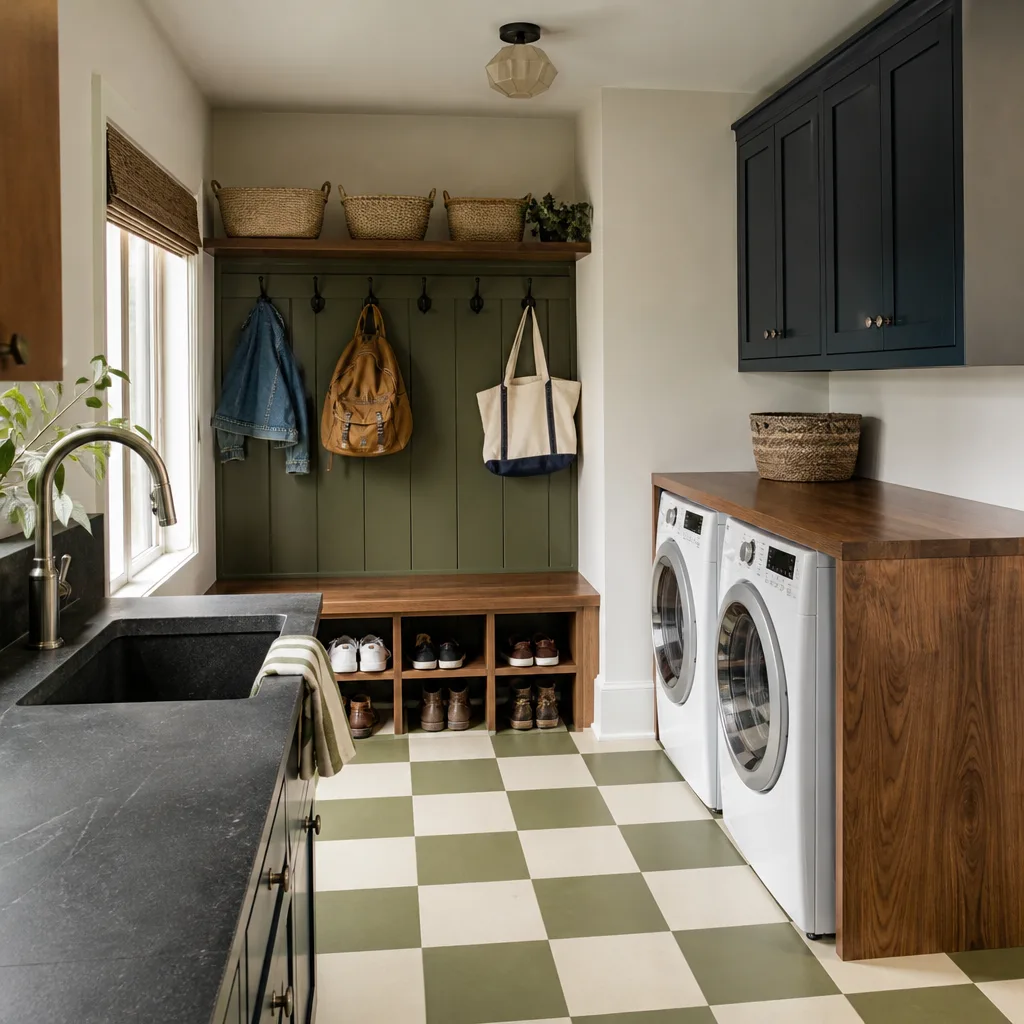
Construction in San Jose is a different animal from construction anywhere else in the country. The permit queue runs longer, the seismic requirements bite harder, the labor costs run higher, and the floodplain near Coyote Creek and the Guadalupe River adds another layer of scrutiny. None of this is a reason to avoid remodeling. It’s a reason to pick a contractor who plans for these conditions instead of pretending they don’t exist. The written price, the documented scope, the named brands, and a guarantee you can hold in your hand, those are the tools that keep a San Jose project on track. Bradford Remodeling Co San Jose has been part of the Garrison Partners family since 2004, and we run every project here under The Garrison Standard. If you’re planning construction in San Jose, call (669) 272-2637 and get a written price before you get anything else.
Written by Curtis Lane, Owner at Bradford Remodeling Co San Jose, serving San Jose since 2004.
See the difference
 Before
 After
After Before
 After
After Before
 After
After

