
Free written scope consultation - allowances, timeline, and change-order rules on paper before a single trade is scheduled
Owens Corning Home Additions & ADU: The San Jose Owner’s Guide
If you’re planning a home addition or ADU in San Jose using Owens Corning insulation, roofing, or structural materials, you’re looking at a typical installed project cost between $53,100 and $153,400 for the addition itself. Bradford Remodeling Co San Jose works with Owens Corning products across a wide range of home additions and accessory dwelling unit builds, and we carry the knowledge to match existing Owens Corning materials to new work so the transition is seamless. The problem most San Jose homeowners run into isn’t the Owens Corning product failing, it’s that the original install was never spec’d correctly for our climate, or a previous contractor cut corners where the addition meets the existing structure. Curtis Lane and our crew have been sorting out exactly these issues across San Jose for years, and we write every fix or build into a flat-rate quote before the first tool comes out.
What usually brings a homeowner to this page: they’ve got an Owens Corning insulation product underperforming, a roof penetration leaking where a previous addition tie-in was done wrong, or they’re about to build an ADU and need to know which Owens Corning products will hold up in San Jose’s dry summers and damp winter mornings. The short answer on all three: we can match it, price it, and write it up in a scope document you sign before work begins.
Which Owens Corning Models This Applies To
Owens Corning makes a broad line of building products, not just the pink insulation most people picture. For home additions and ADUs in San Jose, the products that matter are their PINK Next Gen Fiberglas insulation batts in R-13, R-19, R-21, and R-30, their FOAMULAR XPS rigid foam board (handy for ADU foundation and below-grade work), and their Duration and Oakridge asphalt shingle lines when an addition requires a roof tie-in. Each has specific installation tolerances. The compatibility gotcha most contractors miss: Owens Corning R-21 batts are designed for 2×6 wall cavities, and you can’t cram them into a 2×4 wall without compressing them, which kills the R-value by 15 to 20 percent. In San Jose’s climate zones, that’s a lot of lost thermal performance.
For ADUs specifically, San Jose building code has gotten specific about energy performance, and Owens Corning FOAMULAR 250 rigid foam is a common spec for the foundation and under-slab because it holds its compressive strength even with ground moisture present. If you’re matching to existing Owens Corning insulation in a house built in the last twenty years, the label is usually still visible on the facing of the batt. Note the R-value and the cavity width, and you’ll know if a previous contractor undersized it. OEM Owens Corning products remain our default for these builds because the manufacturer specs are published and traceable, but there are quality aftermarket equivalents for some insulation and flashing applications. We’ll tell you when the aftermarket option performs the same and when it doesn’t.
Styles & brands we work with







Signs Your Owens Corning Home Additions & ADU Is Failing
Home additions and ADUs don’t fail as one dramatic event. They fail in a series of small, connected ways that point back to a material or installation shortfall. Here’s what we see most often in San Jose:
- Cold spots or hot rooms in the addition. This usually means the Owens Corning insulation was compressed during install, the cavity wasn’t fully filled, or there’s a gap where the addition’s ceiling meets the original roofline. The insulation isn’t doing the job it’s spec’d for.
- Moisture staining on the ceiling where the addition roof ties in. A failed flashing detail at the tie-in lets water run down between the old roof and the new one. The shingles may be Owens Corning and perfectly fine, but the transition was never sealed correctly.
- Musty smell near the baseboard or bottom of the walls. This points to a missing or broken vapor barrier, or Owens Corning batt insulation touching the concrete slab without a thermal break. San Jose’s winter ground moisture wicks up and saturates the fiberglass.
- Higher energy bills than neighbors with similar-sized homes. When the addition is drafty despite fresh insulation, it usually means air sealing was skipped before the Owens Corning batts went in. Insulation without air sealing underperforms by a wide margin.
- Visible daylight or gaps along the wall-to-ceiling joint in the new space. A framing or drywall issue where the addition meets the existing structure. Those gaps mean insulation is exposed to moving air, which defeats the product’s design.
Replacement Cost & What’s Included
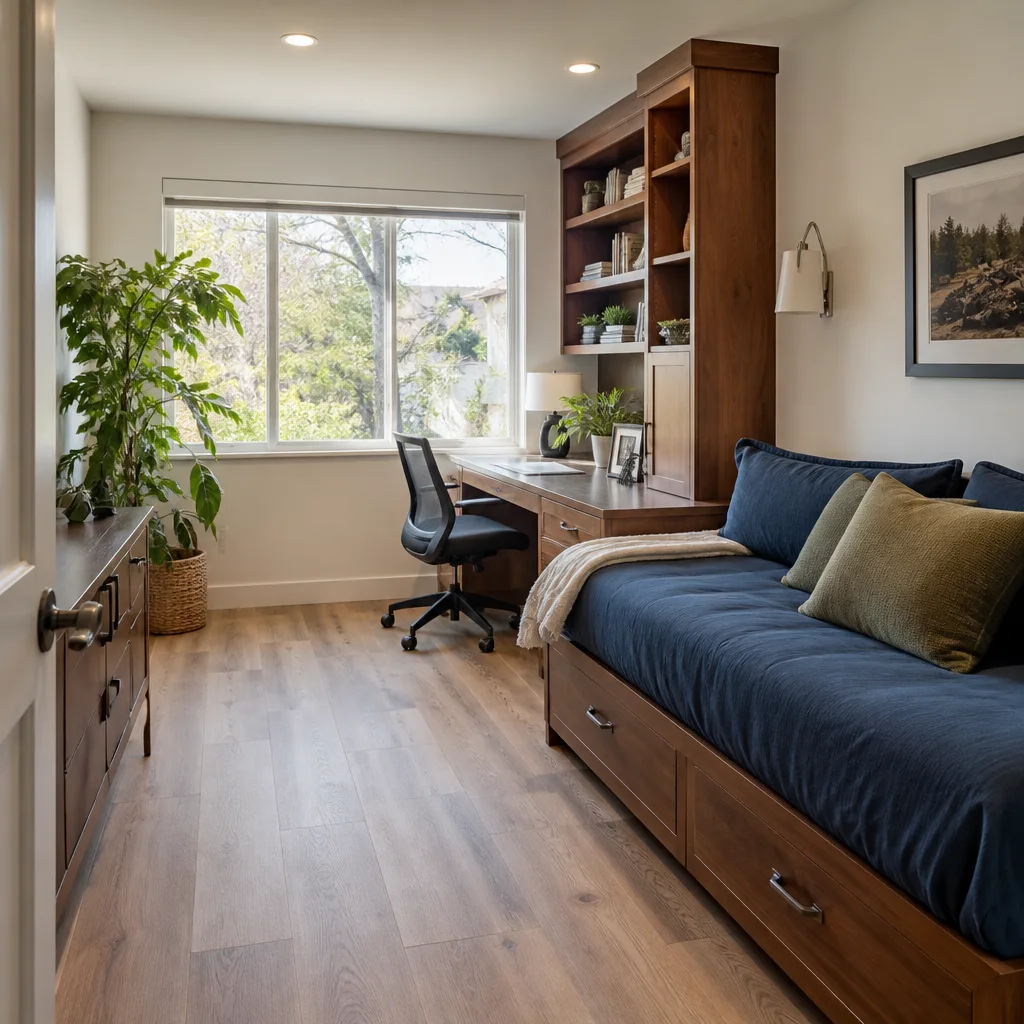
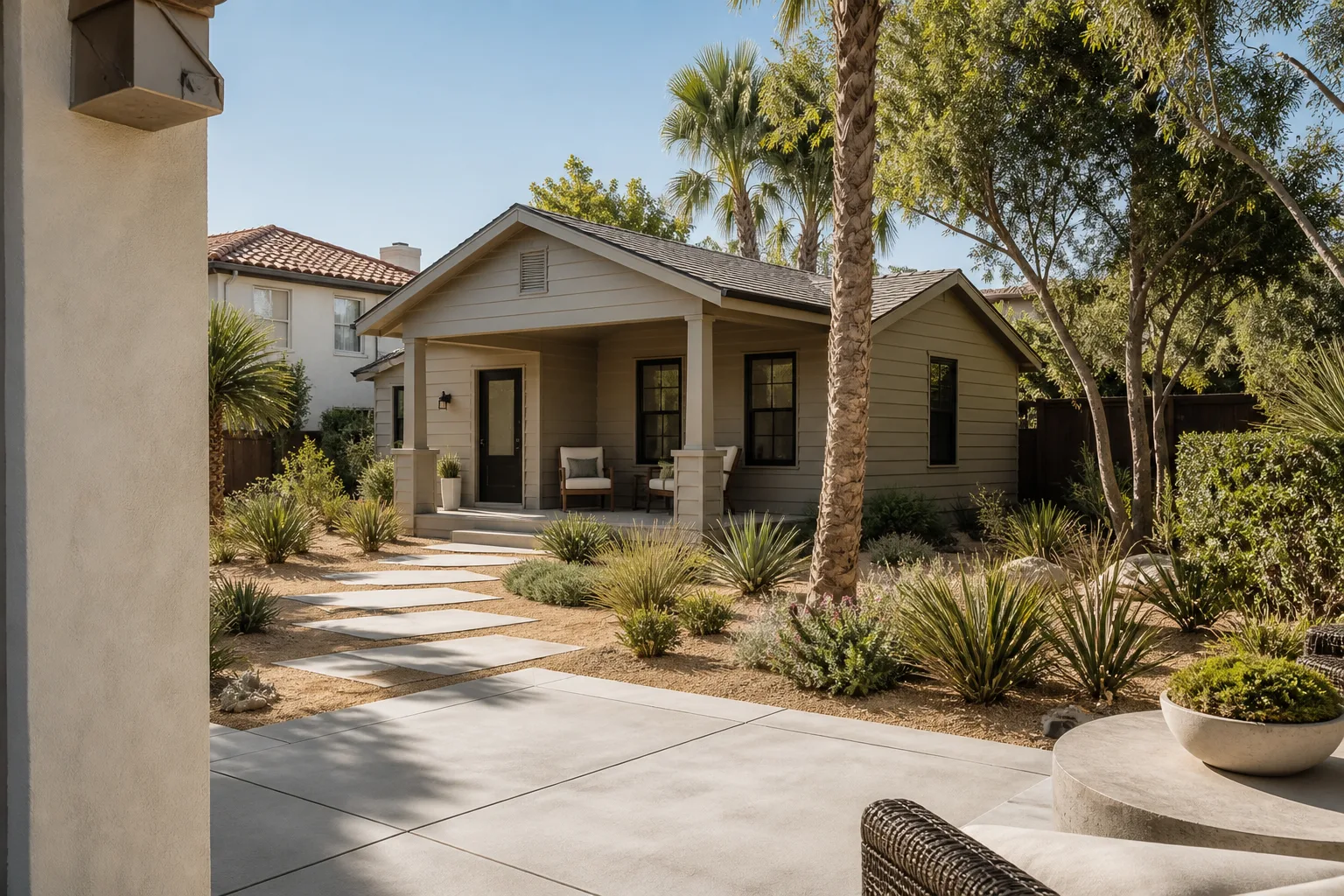
Home addition and ADU work in San Jose runs on a wide band because scope varies. A full home addition with Owens Corning roof tie-in, walls, insulation, drywall, electrical, and paint sits in the $53,100 to $153,400 range, with the size of the addition and the complexity of the structural work driving the number. An ADU build, which carries more permit, foundation, and utility work, typically lands between $106,200 and $259,600. Smaller, defined fixes, like replacing failed insulation in one addition wall or correcting a badly flashed roof tie-in, price lower because the scope is narrower, but they always get a written line-item quote before we start.
What you get with Bradford Remodeling Co San Jose: the Owens Corning or equivalent materials specced by name, all labor, all permits pulled and inspections passed, and a written scope document that means the number on the quote is the number on the invoice. No change orders unless you request a scope change. Every job carries the 365-Day Done Right Promise. If something fails inside that year, we return and correct it at no charge. Curtis Lane’s rule on pricing is the one he carried from his days on Los Angeles job sites: straight number, written scope, done when we said done.
See the difference
 Before
 After
After Before
 After
After Before
 After
AfterDIY or Call Us?
There are things an owner can safely check, and things you shouldn’t touch. You can look at the Owens Corning insulation label in your attic space and confirm the R-value. You can check for visible gaps at the ceiling joint and flag moisture staining. Those are safe and useful. What you shouldn’t do is pull out failed insulation and reinstall it yourself if you’re not sure about air sealing and vapor barrier rules. Improper vapor barrier placement in San Jose’s climate will trap moisture inside the wall cavity and cause rot and mold inside a year. Similarly, if the issue is the roof tie-in flashing, that’s a height and tools problem, and a wrong fix will leak again in the first real winter rain. We’d rather walk you through what we’re seeing and give you a written scope than have you chase a problem with half the information. Call (669) 272-2637 and we’ll put a real person on the phone who can schedule a look.
FAQs
Fiberglass batt insulation has an effective lifespan of roughly 80 to 100 years when installed correctly and kept dry, so the insulation itself rarely fails. What fails is the installation around it: air gaps, compression, moisture entry, and missing vapor barriers. In San Jose’s mild climate, properly installed Owens Corning batts will outlast the drywall they sit behind. When we do see insulation “fail,” it’s always moisture-related, not age-related. Call (669) 272-2637 if you suspect moisture in your addition’s walls, and we’ll give you a straight answer on what’s happening.
In most cases, the tie-in can be repaired without replacing the entire roof. The fix involves removing the transition shingles, replacing the flashing with the correct Owens Corning-compatible detail, and reinstalling the shingles with a proper overlap. The full roof only needs replacement if the leak has been running long enough to rot the decking underneath. That’s a decision we make only after seeing the condition of the substrate. Call (669) 272-2637 for a free estimate and we’ll tell you exactly what needs to happen.
A typical ADU build runs four to seven months from permit approval to final inspection, depending on the size, the condition of the site, and how quickly San Jose’s permit office clears the plans. The construction phase itself is usually two to four months once permits are in hand. We put the schedule in writing as part of the scope, and the 365-Day Done Right Promise covers the finished work. Call (669) 272-2637 to discuss your ADU scope and get a written price.
We maintain a working inventory of common Owens Corning products, including PINK Next Gen batts in standard R-values and FOAMULAR rigid board in common thicknesses, at our San Jose yard. Specialty items, like Owens Corning shingle colors matched to an existing roof, are ordered per project through our supplier network and arrive before the install date. Either way, the material costs are fixed in your written quote, not a surprise on the back end. Our brand roster also includes KraftMaid, Cambria, and Silestone for interior finishes, so the whole project stays documented from frame to fixtures.
Get a Written Price for Your Owens Corning Home Addition or ADU in San Jose
If you’re planning a home addition or ADU in San Jose, or if you have an existing addition that’s showing signs of a failed Owens Corning material, the next step is a phone call. Bradford Remodeling Co San Jose is an independent service provider and not affiliated with Owens Corning, but we install their products by the spec and stand behind our work with a written guarantee. Calls are answered by a live person 24/7, not a voicemail. Call (669) 272-2637 to schedule your free estimate and get a straight number before any work begins.
Written by Curtis Lane, Owner, Bradford Remodeling Co at Bradford Remodeling Co San Jose, serving San Jose and nearby areas.


