
Free written scope consultation - allowances, timeline, and change-order rules on paper before a single trade is scheduled
Delta Home Additions & ADU: The San Jose Owner’s Guide
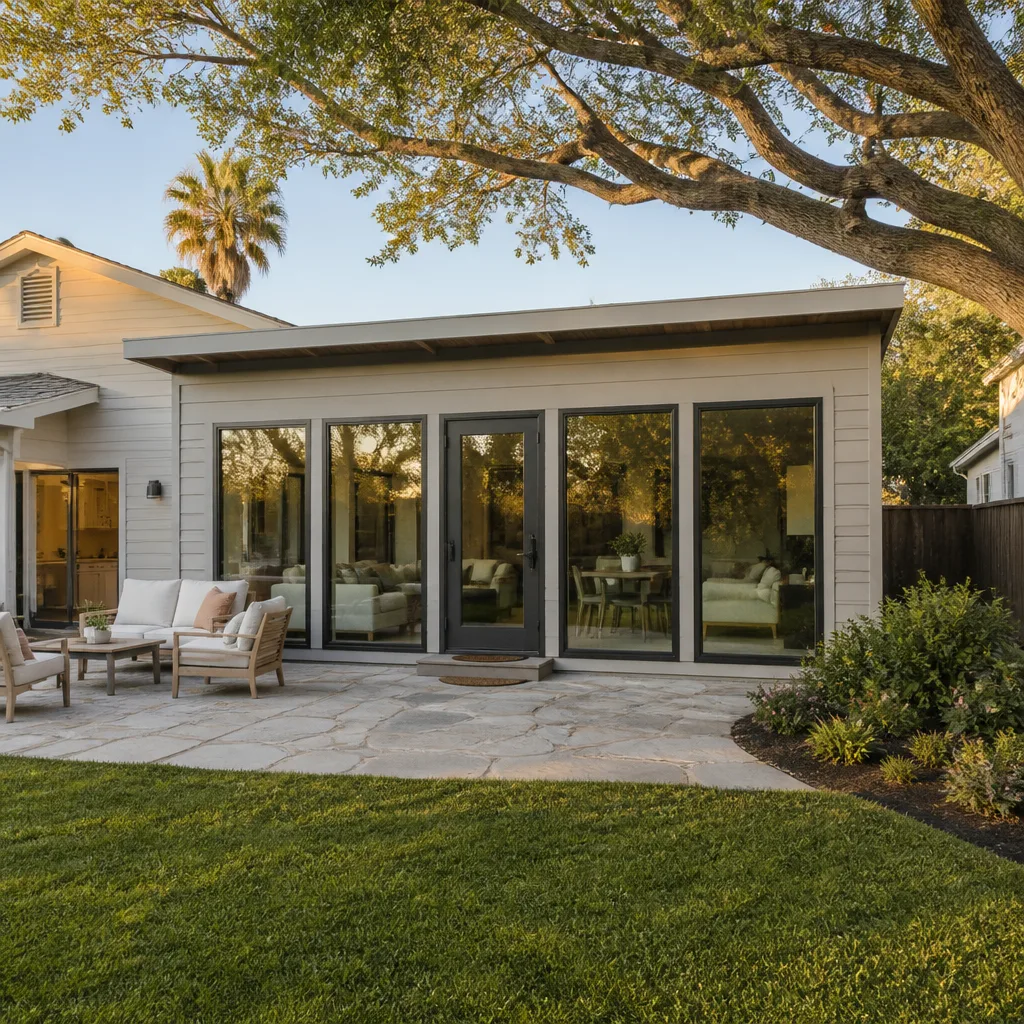
Bradford Remodeling Co San Jose installs additions and ADUs built with Delta-compatible materials, and the typical San Jose project runs $53,100 – $153,400 depending on square footage, foundation work, and finish level. Most owners call us after discovering their existing addition has a failing component: a header that’s started sagging, subfloor rot under a bathroom that was tied into the original roofline, or electrical in an older add-on that never met current California code. We quote a written price before any work starts, and our 365-Day Done Right Promise covers the completed project for a full year.
We’re an independent San Jose contractor, not affiliated with Delta. That matters when you’re untangling a failed addition: we look at the framing, the tie-in, the roof, and the foundation as a system, not as a brand-name repair.
Which Delta Models This Applies To
Delta manufactures components used in home additions and ADUs: engineered trusses, I-joists, rim board, and structural connectors. The compatibility issue for San Jose owners is rarely the Delta part itself. It’s how the original builder integrated it. We see additions from the 1980s and 1990s in neighborhoods like Cambrian and Willow Glen where the framing is sound but the connection points were under-engineered: undersized ledger bolts, missing lateral bracing, or rim board that was never flashed properly against the San Jose wet season.
How to identify what you have: look in the crawlspace or attic for the manufacturer stamp on the joists or rim board. Delta stamps include the series designation, the nominal size (like a 9½” or 11⅞” I-joist), and the date code. If the stamp is visible, we can match a repair to the original spec. If it’s not legible or the framing is buried under finished space, we measure spacing, span, and depth and spec the replacement from there. For most structural repairs, we’d use an OEM-equivalent engineered product rather than chasing a Delta-specific part that’s been out of production for years. What matters is the structural rating, not the logo.
Styles & brands we work with







Signs Your Delta Home Additions & ADU Is Failing
- Cracks at the corner where the addition meets the original house. This is the most common failure we see across San Jose. The addition settles differently than the original structure because it sits on a different foundation. A hairline crack in drywall is cosmetic. A crack wider than a quarter inch, or one that reopens after patching, means differential movement that needs to be addressed at the connection point, not just taped over.
- A floor that sags or bounces when you walk across it. Engineered I-joists are rated for specific spans and live loads. If someone finished a bonus room above a garage or added a bathroom without checking the load path, the joists deflect. We check for cracked flanges, over-spanned joists, and wet spots at the bearing points. In San Jose’s rainy winters, a slow plumbing leak turns a deflection problem into a rot problem fast.
- Doors and windows in the addition that stick or won’t latch. This usually signals movement in the header or the king studs around the opening. Older Delta-framed additions in the San Jose hills are especially prone to this: expansive soil and hillside drainage cause seasonal movement. If the door binds only after heavy rain, the foundation is reacting to moisture. If it binds year round, the header is undersized or the sill plate is compromised.
- Musty smell in the addition that doesn’t go away. That’s a flashing failure or a plumbing leak inside a wall cavity. ADUs tied into the main house roof with a valley are the worst offenders in San Jose’s winter rain. Water tracks along the valley, finds a punctured underlayment, and sits on the rim board until the oriented strand board starts to delaminate. By the time you smell it, the repair is no longer a patch job.
- Electrical in the addition that flickers, trips breakers, or runs hot. Older San Jose ADUs and add-on rooms were often wired as an afterthought: a single 15-amp circuit tapped off the main panel, feeding lights, outlets, and a space heater. That’s a code violation and a fire hazard. We flag this on nearly every older ADU we assess in the Rose Garden and Naglee Park neighborhoods, where the original homes are pre-1960 and the additions were permitted loosely.
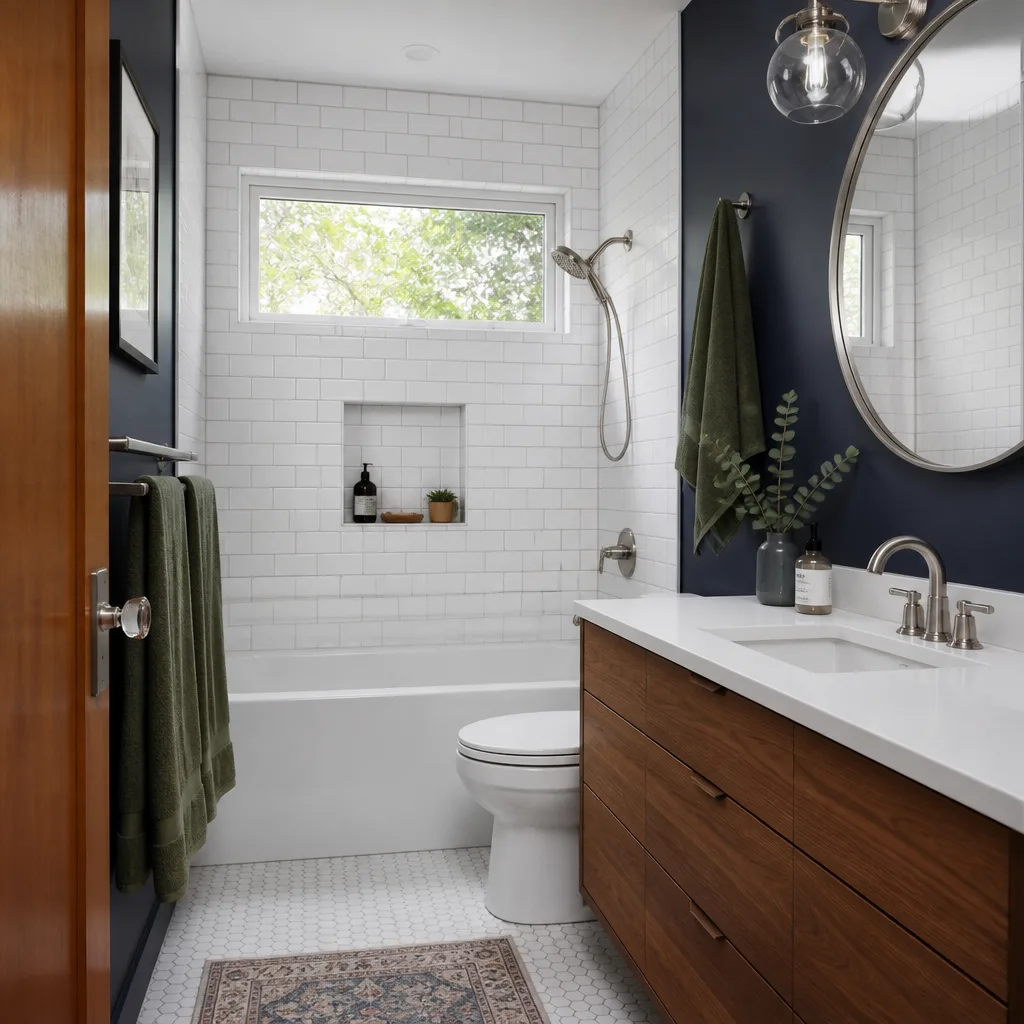
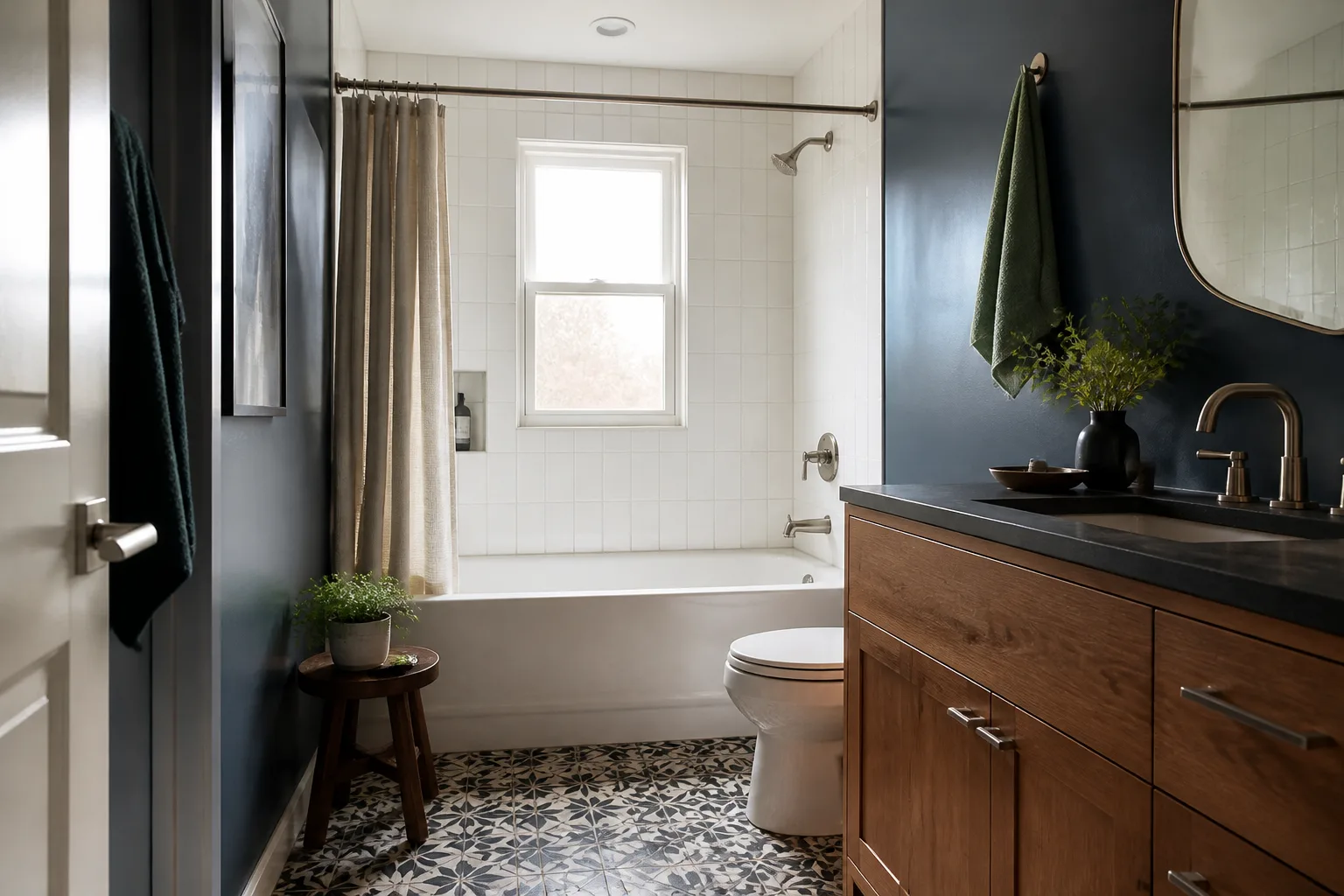
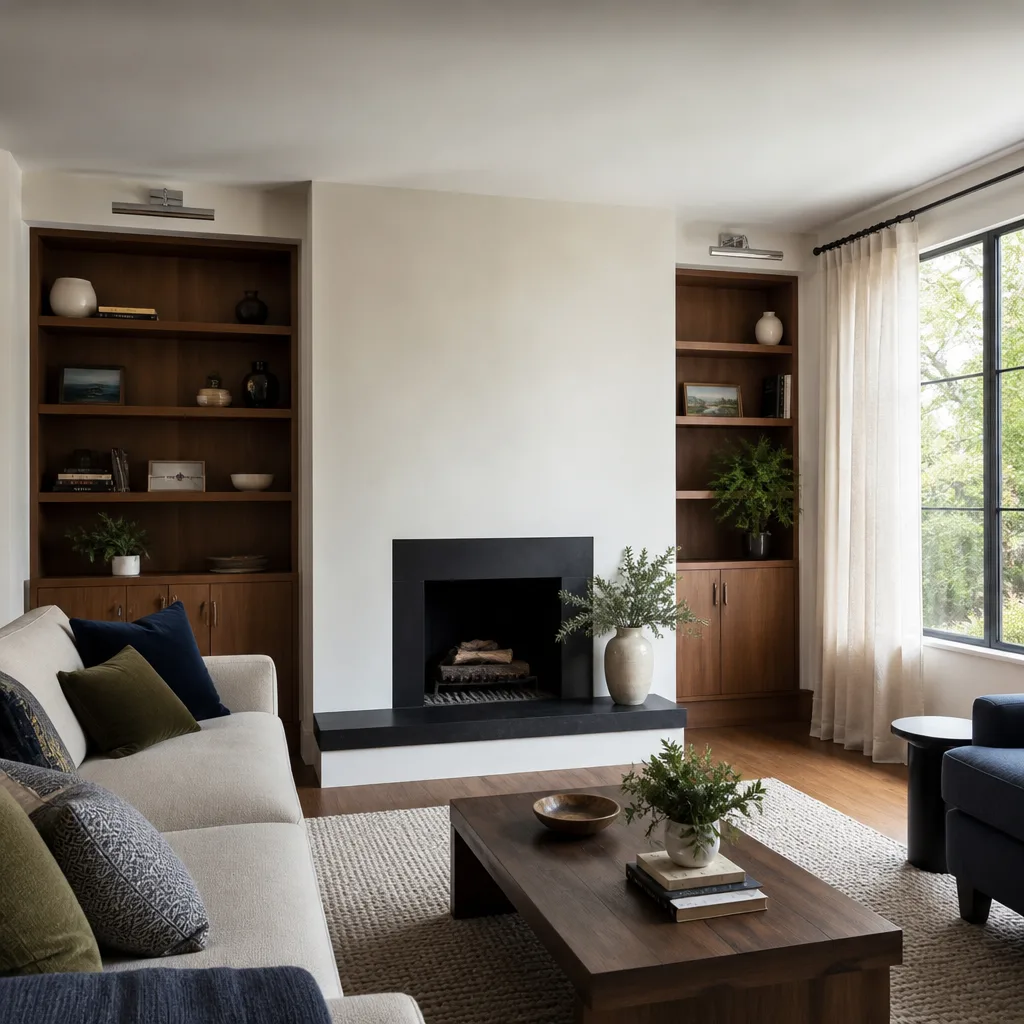
See the difference
 Before
 After
After Before
 After
After Before
 After
AfterReplacement Cost & What’s Included
The installed price for a home addition or ADU repair in San Jose runs $53,100 – $153,400, and the range is driven by what’s actually failing. A focused structural repair, like replacing rotted rim board and sistering a few joists, sits at the lower end. A full ADU tear-out and rebuild, with new foundation ties, roof integration, and bringing the electrical and plumbing to current California code, lands at the top. New construction of a full addition or ADU typically runs $106,200 – $259,600.
Every quote from Bradford Remodeling Co San Jose is a written price, not an estimate. We spell out the scope line by line: what framing gets replaced, what gets reused, what the permit path looks like with the City of San Jose, and what the final number is. No change orders, no “we found something” moments that add thousands at the door. If we find hidden damage mid-project, we document it, price it, and get your sign-off before we touch it. The 365-Day Done Right Promise covers every completed project for a full year. If a repaired floor starts sagging again or a tie-in cracks, we come back and correct it at no charge.
DIY or Call Us?
Some things you can check on your own. Walk the perimeter of your addition or ADU after the next San Jose rain and look for pooling water against the foundation. Check the crawlspace for standing water or wet insulation. Look at the caulking where the addition roof meets the original house on a sunny day and see if you spot gaps or cracked sealant. Those are diagnostics, not repairs, and they cost you nothing.
When it comes to structural work, DIY goes wrong in ways that get expensive fast. Cutting into a load-bearing wall without shoring it, pulling rim board without understanding the load path, or trying to lift a sagging floor with bottle jacks and hope is how small fixes become five-figure rebuilds. It’s also how people get hurt. Tensioned framing members and failed foundation connections don’t announce themselves before they move. If your addition is showing cracks, sagging, or water damage, the right move is a free assessment. Call (669) 272-2637 and we’ll send someone who knows what to check, in what order, and what it actually costs to fix. Written price before any work starts. That’s just how we run jobs.
FAQs
A properly flashed, properly tied-in addition with a maintained foundation typically gives San Jose homeowners 50 to 75 years of service before major structural work, but the roof covering and any wood-to-soil contact fail much sooner, usually in the 20 to 30 year range. The deciding factor is almost always water management. San Jose’s wet winters and dry summers put repetitive stress on flashing and caulking. If the original builder skipped the small details, the clock starts earlier. Call (669) 272-2637 and we’ll look at your specific addition, not a chart of averages.
Most failing additions in San Jose are repairable, not total losses. Replacing rotted rim board, sistering joists, adding proper flashing, and re-tying the connection points solves the vast majority of what we diagnose. A full rebuild is only warranted when the foundation has failed, the framing has widespread rot or insect damage, or the existing structure is so far out of code that piecemeal fixes would leave half the project non-compliant. We’ll tell you straight which bucket yours falls in. A written scope spells out exactly what gets done.
Most focused structural repairs on San Jose additions run 3 to 7 working days from the first demo cut to final inspection. A full ADU rebuild or major addition project typically runs 60 to 120 days depending on permit turnaround with the City of San Jose, scope, and finish level. We give you a start date and a completion window in the written scope. No open-ended timelines. Straight number, written scope, done when we said done.
For structural repairs, we don’t stock Delta-branded parts because they’re not what the repair calls for. We spec engineered lumber from current manufacturers that matches or exceeds the original Delta rating, and our San Jose suppliers carry it in stock. For finish components related to an addition or ADU project, like cabinetry, countertops, and fixtures, we work with documented brands including KraftMaid, Cambria, and Silestone, and we order to your exact specification after the written scope is signed. Call (669) 272-2637 for a free estimate and we’ll walk you through what’s needed for your specific project.
Written by Curtis Lane, Owner, Bradford Remodeling Co at Bradford Remodeling Co San Jose, serving San Jose and nearby areas.


