
Free written scope consultation - allowances, timeline, and change-order rules on paper before a single trade is scheduled
Silestone Home Additions & ADU: The San Jose Owner’s Guide
Silestone countertops and surfaces in San Jose home additions and ADUs typically cost $53,100 to $153,400 for the full project, with the Silestone surface portion running $2,360 to $7,670 installed depending on square footage and edge profile. Most Silestone-related failures we see aren’t the slab itself failing, they’re the seam, the substrate underneath, or the support structure shifting after installation. We stock Silestone-compatible fabrication materials and can match existing slabs or source replacement sections from current Silestone color lines, usually within a week of the estimate.
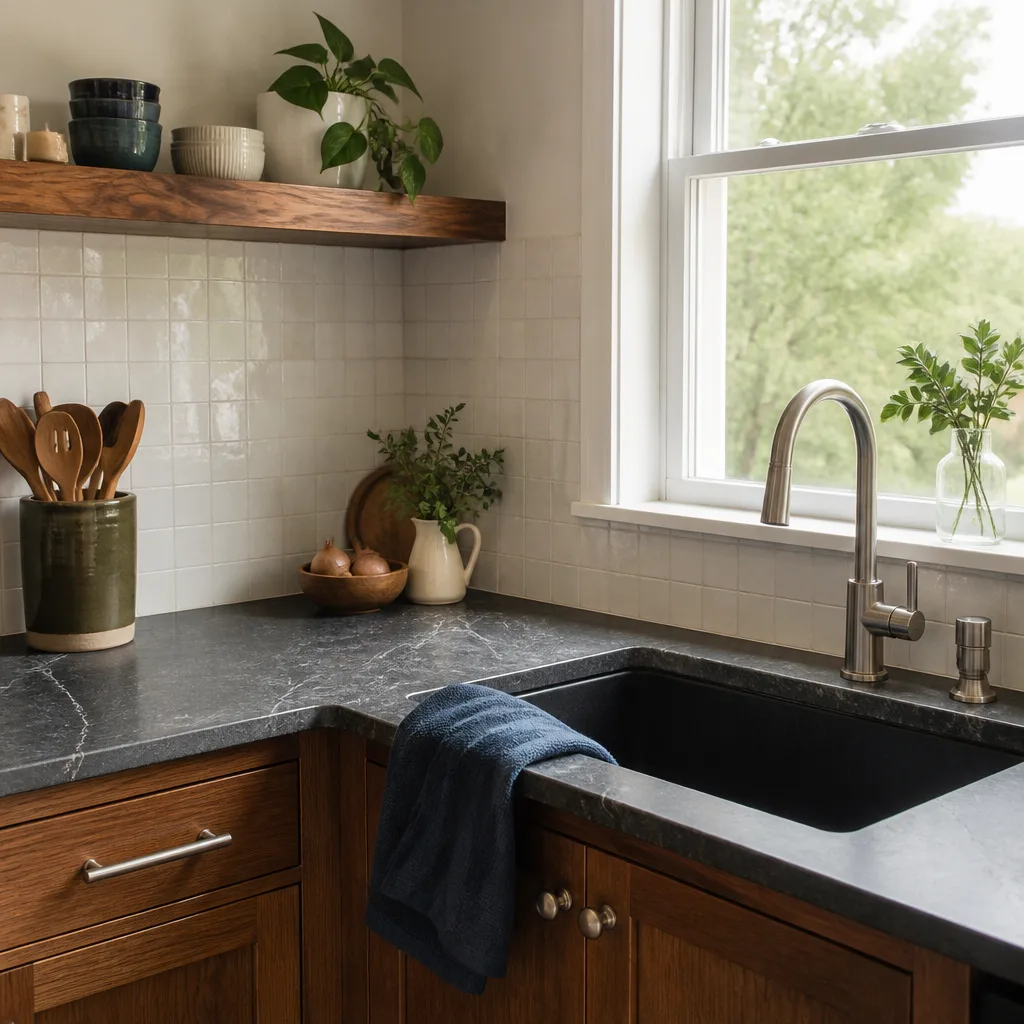
Here’s the situation most San Jose owners call us about: the addition or ADU is 3 to 8 years old, the Silestone countertop or vanity top has developed a hairline crack near a sink cutout, or a seam has opened up where two slabs meet. Sometimes the overhang is sagging because the original installer skipped corbels or used inadequate brackets. The countertop itself is still solid, but the installation around it wasn’t done to spec. That’s the part that fails first, and that’s what this page is about.
Which Silestone Models This Applies To
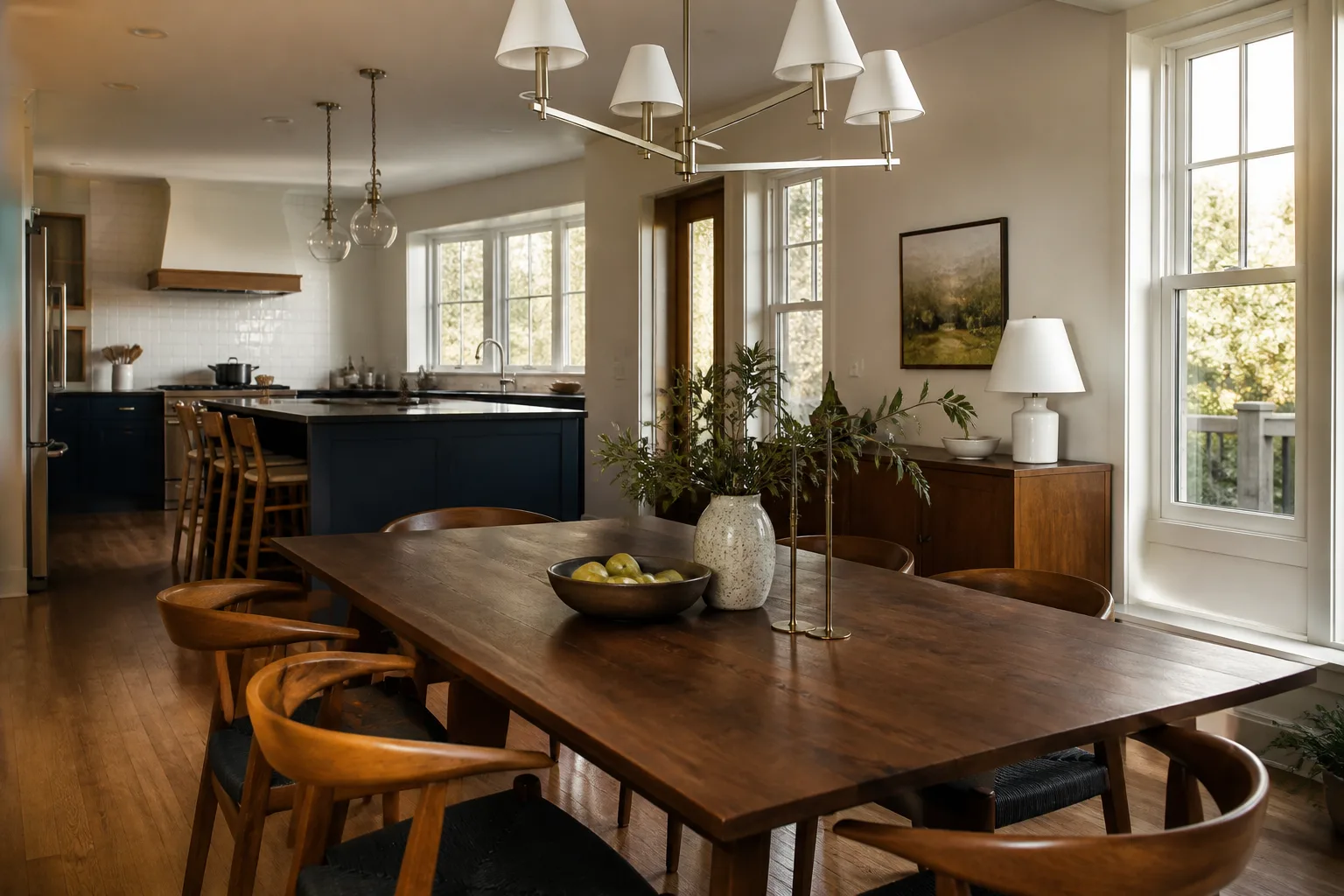
Silestone is Cosentino’s quartz line, and the product has evolved through several series over the years. If your San Jose addition or ADU was built before roughly 2016, you likely have the original Silestone series with a polished finish and standard 2cm or 3cm thickness. Newer builds use Silestone’s HybriQ or HybriQ+ technology, which replaced some of the crystalline silica content with recycled materials and comes with a slightly different surface texture and edge behavior. The N-Boost finish, introduced around 2020, has a different sheen and stain resistance than the older polished slabs.
To identify what you have, check underneath the countertop for a printed Cosentino/Silestone label or etched code near the sink cutout. If the label’s gone, measure the slab thickness with a tape measure at an exposed edge, 2cm reads as roughly 13/16 inch, 3cm reads as 1-3/16 inch. The thickness matters more than the color name for repairs and reinstalls, because it affects the substrate height, the faucet hole drilling depth, and the overhang support requirements. For OEM versus aftermarket: Silestone only sells through authorized fabricators, so you won’t find genuine slabs at a big-box store. What you will find is aftermarket quartz that’s color-matched to look close to your existing Silestone, which can work for a repair if you’re not picky about a perfect match under direct light. We don’t recommend it. Quartz color lots shift between production runs, and a near-match is usually obvious at the seam. For additions and ADUs where the surface is a focal point, we source actual Silestone through authorized channels so the warranty and the color consistency hold.
Styles & brands we work with







Signs Your Silestone Home Additions & ADU Is Failing
- Hairline cracks radiating from the sink cutout. Quartz is 93% stone and 7% resin, and the corners of a sink cutout concentrate stress. If the fabricator didn’t radius the corner enough or the cabinet below settled, the stone cracks there first. This is a structural failure in the installation, not the material.
- Seam separation between two slabs. Silestone seams are filled with a color-matched adhesive that can shrink or discolor over time, especially in San Jose’s dry summer heat and cooler winter swings. If you can feel the seam with a fingernail, the adhesive has failed and the slabs are moving independently.
- Overhang sag or bounce on an island or breakfast bar. Silestone overhangs beyond 10 inches need corbels or steel supports. If the original installer skipped them, the overhang flexes every time someone leans on it. Eventually the slab cracks at the support line, and the fix is a partial reinstall, not a patch.
- Countertop pulling away from the backsplash or wall. This points to cabinet or floor settling underneath, common in ADUs built on slab foundations that shift with San Jose’s clay soils. The Silestone isn’t moving on its own, the whole substrate is moving under it.
- Discoloration or dull spots that won’t polish out. Older Silestone with a polished finish can etch or lose gloss if it was cleaned with acidic or abrasive products. HybriQ surfaces are more resistant but not immune. If the gloss is gone in one area but not others, the surface layer has been compromised and spot-repair usually makes it worse.
See the difference
 Before
 After
After Before
 After
After Before
 After
AfterReplacement Cost & What’s Included
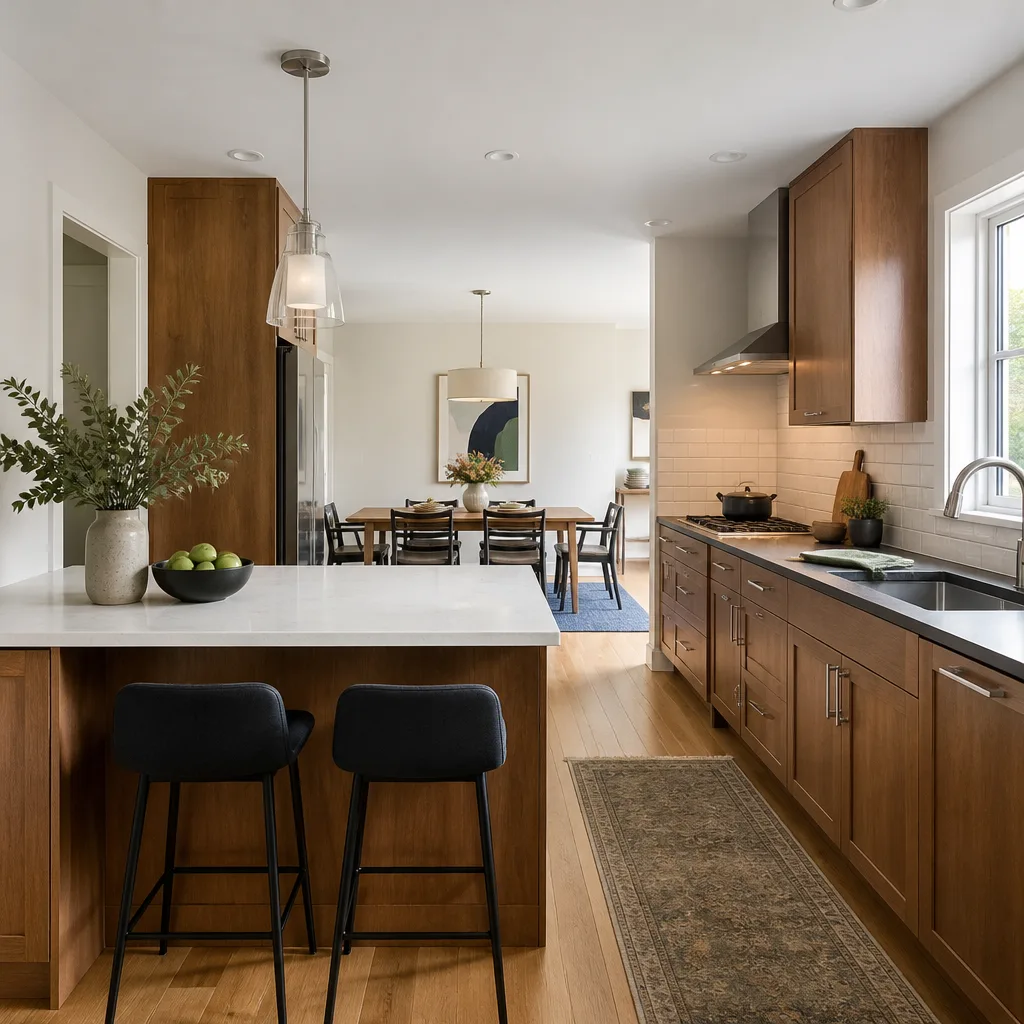
For San Jose home additions and ADUs, here’s the installed pricing we work from. The leading range for a full addition or ADU project is $53,100 to $153,400. The Silestone-specific portion breaks down like this:
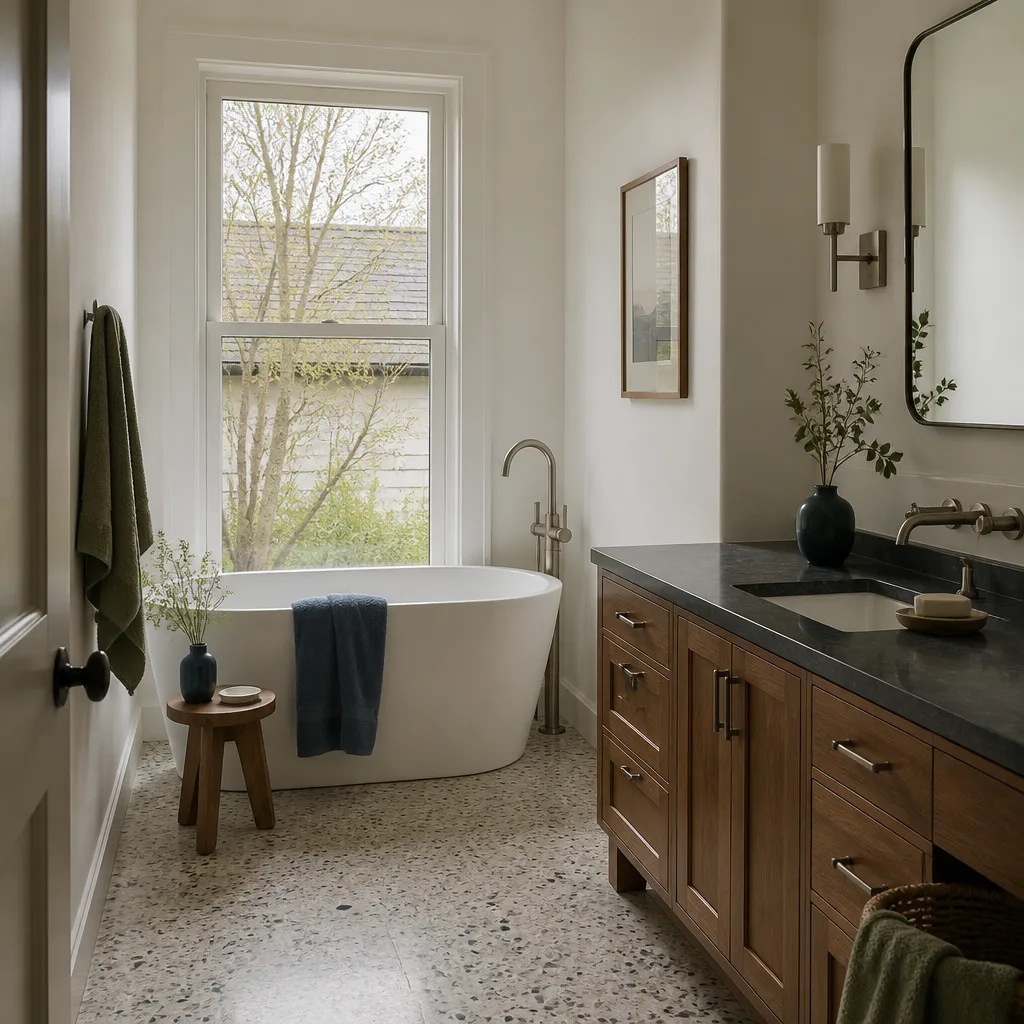
- Silestone countertop or vanity top, fabricated and installed: $2,360 to $7,670, depending on square footage, slab thickness, edge profile, and sink cutouts
- Backsplash in Silestone or matching quartz: $945 to $2,950, including substrate prep and installation
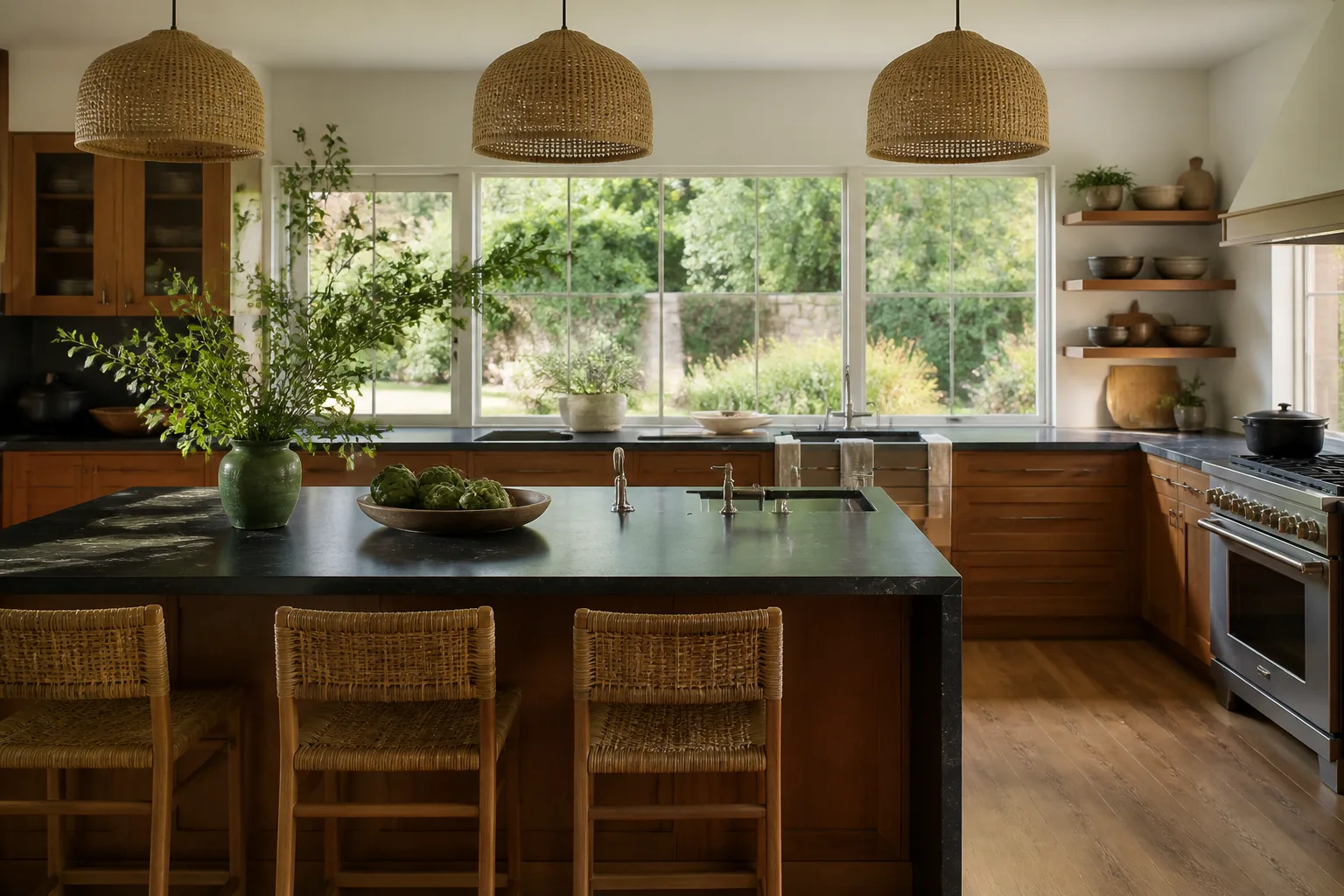
- Kitchen island with Silestone top and structural supports: $3,540 to $11,800, depending on size and support requirements
- Seam repair or slab section replacement: typically 30% to 60% of the original surface cost, quoted per job after measuring the affected area
What moves the price: slab thickness (2cm versus 3cm), whether the addition needs substrate leveling before the stone goes down, and how much fabrication is required (cutouts, mitered edges, waterfall panels). Every quote from Bradford Remodeling includes a written price before any work starts. You get the material cost, the labor, and the guarantee on paper, so there’s no number that moves at the door. The 365-Day Done Right Promise covers the installation work: if the Silestone shifts, cracks at a seam we set, or fails inside a full year, we return and correct it at no charge.
DIY or Call Us?
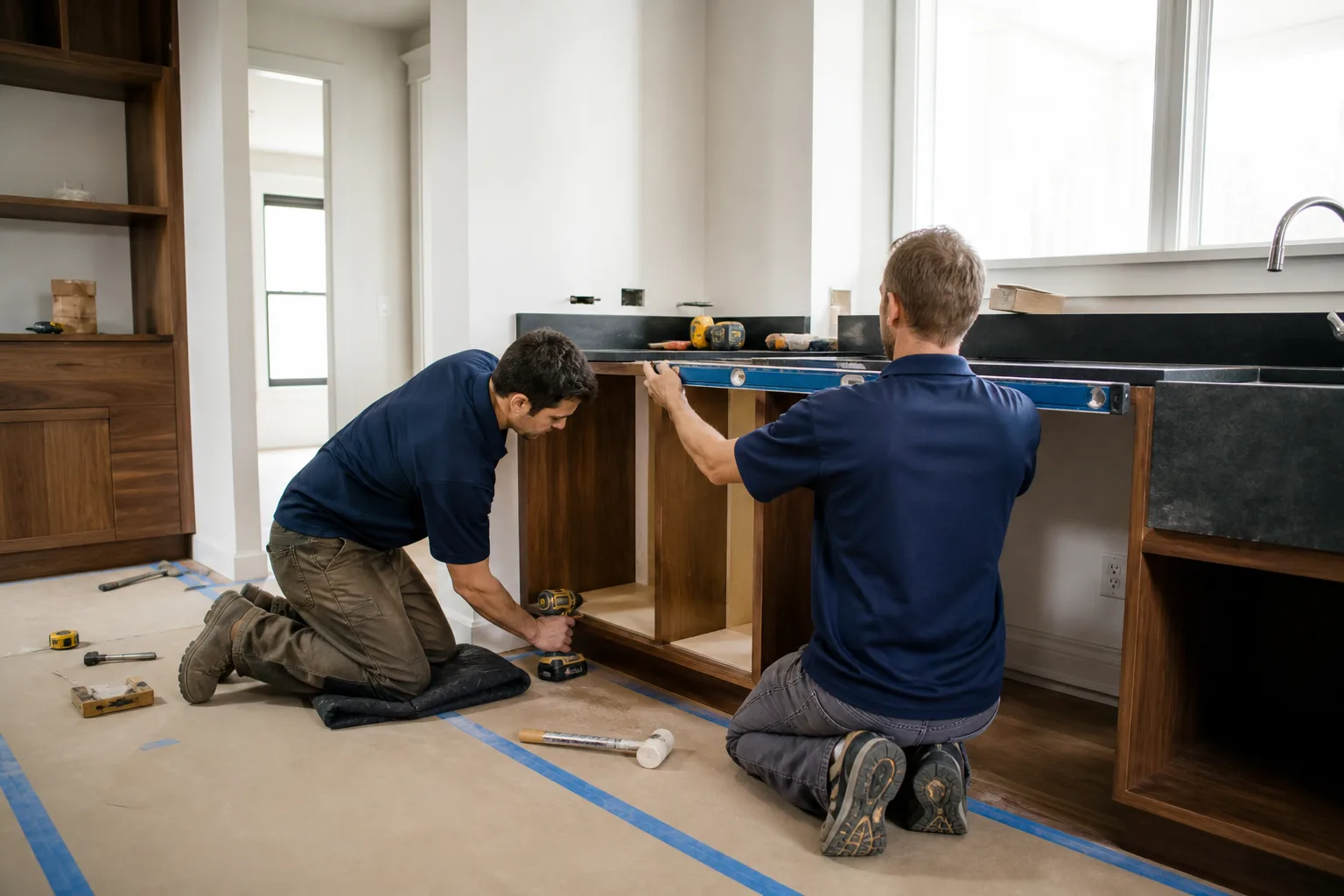
What an owner can safely do: check the exposed slab edge with a flashlight and tape measure to identify thickness, look for a Cosentino label under the sink, and take photos of any cracks or seam gaps from straight above and at a 45-degree angle. Those photos help us quote the job accurately before we send a technician out. What an owner should not do: attempt to lift, shim, or clamp a quartz slab. A 3cm slab of standard Silestone weighs roughly 18 to 20 pounds per square foot. A 10-foot island top can run 500 pounds or more. If it shifts while you’re working under it, that’s a crush injury, not a repair. Same caution applies to any cabinet or support work under the stone. The substrate has to be stripped and rebuilt properly before the slab is re-set.
If the countertop has a crack but you’re not sure whether it’s cosmetic or structural, call us at (669) 272-2637. We’ll tell you over the phone whether it’s worth a site visit. Straight answer, no pressure.
FAQs
Silestone quartz has a realistic service life of 20 to 30 years in California’s climate when installed correctly, but the installation details fail much sooner than the stone does. Seams, supports, and substrate leveling are the weak points, not the slab. We see seam failures in San Jose additions as early as year 3 when the original contractor rushed the adhesive or skipped support brackets. Call (669) 272-2637 if you’re seeing seam separation or cracks, and we’ll assess whether it’s an installation failure or normal aging.
Hairline cracks can sometimes be filled and color-matched by a fabricator, but the repair is only as good as the underlying cause. If the crack formed because the substrate settled or the overhang wasn’t supported, filling the crack means it’ll reappear within a year. We assess the structure first, then the stone. A quote for repair versus replacement comes in writing either way.
For a standard kitchen or ADU kitchen countertop replacement in San Jose, allow 1 to 2 days for demolition and substrate prep, then 1 day for template, 3 to 7 days for fabrication, and 1 day for installation. Seam repair or section replacement is faster, usually 1 to 2 site visits. We give you a written schedule with the quote, and we hit it.
We order Silestone through authorized Cosentino channels because quartz color lots shift between production runs, and we won’t install a near-match that’s visibly off at the seam. That said, we keep Silestone-compatible adhesives, edge-profile tools, support brackets, and substrate materials on the trucks so a repair crew can address structural issues on the first visit. We also work with KraftMaid and Cambria systems regularly, and we can coordinate Kohler fixture replacements alongside the Silestone work if your ADU kitchen or bath needs both.
The Garrison Standard is the operating framework every Bradford Remodeling project runs on: a written price before any work starts, a documented scope of work, background-checked and uniformed technicians on site, and the 365-Day Done Right Promise in writing when the job closes. Curtis Lane built Bradford Remodeling on that model because he got tired of watching San Jose homeowners eat surprise change orders. Straight number, written scope, done when we said done.
If you’ve got a Silestone countertop in your San Jose addition or ADU that’s cracking, separating, or sagging, call (669) 272-2637 for a written estimate. We’ll tell you what’s wrong, what it costs to fix, and we’ll put it all on paper before we lift a tool.
Written by Curtis Lane, Owner, Bradford Remodeling Co at Bradford Remodeling Co San Jose, serving San Jose and nearby areas.


